What You Give Up When You Leave iPhone for Android
The data migration is straightforward now, but the ecosystem lock-in is real - and harder to escape than most users anticipate.
The Technical Hurdles Have Fallen
Moving data between iOS and Android used to require third-party utilities and manual workarounds. That friction has largely disappeared. WhatsApp conversations now migrate natively. Google's services pull contacts, photos, and calendar entries automatically. The mechanical barriers that once made switching painful have been dismantled by both platform vendors over the past three years.
Yet the ease of moving bits and bytes masks a deeper challenge. At DailyTechWire, we've tracked how platform ecosystems have evolved from simple operating systems into sprawling webs of hardware dependencies, service subscriptions, and software optimizations. The question is no longer whether you can switch, but what you lose when you do.
Ecosystem Capture Is the New Moat
Apple's strategy has never been about making iOS technically superior in every dimension. The company's advantage lies in how its devices and services interlock. AirPods connect to Android phones, but spatial audio with head tracking becomes unreliable. Third-party tools like LibrePods offer partial solutions, but the experience degrades noticeably.
The Apple Watch presents a starker problem: it refuses to pair with Android devices at all. Users who have accumulated years of health and workout data face a choice between keeping an iPhone solely for syncing purposes or abandoning that historical record. This is not a technical limitation but a deliberate design decision that treats hardware compatibility as a retention tool.
File access through iCloud+ remains possible via browser on Android, but the experience is clunky compared to native integration. Google One becomes the logical alternative, yet migrating years of stored documents, photos, and backups introduces its own set of tedious tasks. Subscription-based apps compound the problem. iOS-exclusive tools like certain flight trackers or productivity apps simply have no Android equivalent, forcing users to either find substitutes or lose functionality they have paid for.
RCS messaging support on iPhone represents progress, but iMessage remains walled off. The blue bubble versus green bubble divide is not just aesthetic; it signals degraded media quality and missing features when communicating across platforms. Google has pushed for interoperability, and a handful of Android devices now support AirDrop for file sharing with Apple hardware, but these remain exceptions rather than the rule.
Software Longevity and the Update Gap
Apple's software support timeline is measurable and consistent. Devices receive major OS updates for six to seven years, and security patches continue even longer. Android manufacturers have made pledges - Google and Samsung now promise seven years of updates - but execution varies widely across the broader market. Most Android brands still cap support at three or four years, leaving devices vulnerable or obsolete well before their hardware fails.
This discrepancy matters for resale value and long-term usability. An iPhone purchased today will likely remain secure and functional through 2031. Many Android phones, even flagship models, will stop receiving updates by 2029 or earlier. For users who view smartphones as multi-year investments, this gap is material.
Design Coherence and App Quality
iOS enforces design consistency more aggressively than Android. Third-party apps on iPhone tend to adopt unified visual languages, whether through Apple's own Human Interface Guidelines or broader trends like the Liquid Glass aesthetic. The result is a more cohesive user experience, even if individual design choices are polarizing.
Android's openness allows manufacturers to experiment, but it also fragments the visual ecosystem. Many brands are chasing translucent effects and layered interfaces without fully committing to a coherent vision. The result often feels half-baked, with inconsistent spacing, iconography, and interaction patterns across apps and system menus.
App quality is another friction point. Developers optimize iOS apps for a limited set of devices - roughly a dozen models per year - with predictable screen sizes, processors, and software versions. Android, by contrast, spans thousands of device configurations. This diversity makes comprehensive optimization impractical. While many apps perform identically across platforms, edge cases reveal the difference: smoother animations on iOS, faster load times, or fewer layout bugs.
This is not a blanket rule. Popular apps with large engineering teams maintain parity. But niche tools, indie apps, and newer releases often prioritize iOS, leaving Android users with versions that feel less polished.
Hardware Consistency as Competitive Advantage
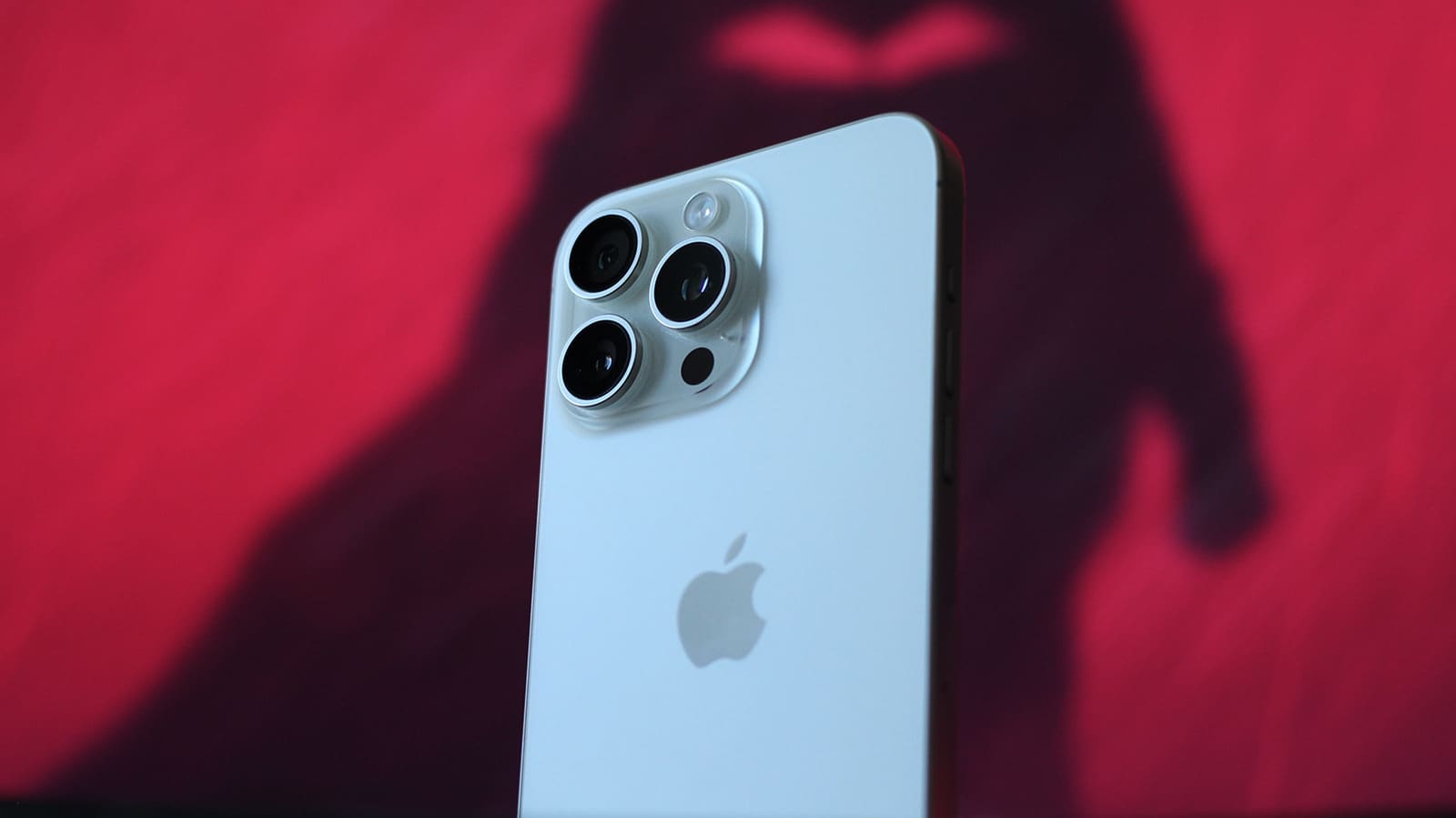
Apple's vertical integration extends to hardware. Even the base iPhone model ships with quality speakers, reliable haptics, and a competent camera system. Build quality does not vary dramatically across the lineup. Android offers exceptional hardware at the high end - devices with faster charging, higher-resolution displays, or more versatile camera arrays - but consistency across price tiers is uneven. Mid-range Android phones may cut corners on haptic feedback, speaker quality, or build materials in ways that Apple avoids.
This matters for users who do not obsess over spec sheets. The iPhone offers a floor of quality that Android's fragmented market struggles to guarantee.
The Return Migration
Switching back to Android after time on iOS reveals how much muscle memory and workflow integration accumulate over months of use. File management on Android is more flexible. Keyboard options are more varied and, for many users, more accurate. Default apps can be changed without workarounds. These are meaningful advantages for users who prioritize customization and control.
But the transition is not frictionless. Apps that were taken for granted on iOS may not exist or may function differently. Accessories lose features. Cross-platform communication becomes slightly more cumbersome. The ecosystem lock-in that seemed abstract when buying an iPhone becomes concrete when trying to leave.
What the Switching Friction Reveals
The difficulty of moving between iOS and Android is not primarily technical anymore. It is economic and behavioral. Apple has constructed an ecosystem where the value of any single product increases with each additional purchase. An iPhone alone is a capable device. An iPhone paired with AirPods, an Apple Watch, and iCloud storage becomes a system that is expensive and disruptive to exit.
Android offers openness and choice, but that flexibility comes with fragmentation. Google's efforts to bridge platforms - RCS support, cross-device file sharing - are steps toward interoperability, but they do not erase the advantages Apple has built through years of ecosystem development.
For users evaluating a switch, the calculus is no longer about which OS is better in isolation. It is about which ecosystem's trade-offs align with how you work, what hardware you already own, and how much friction you are willing to tolerate in exchange for openness or integration. The platforms have become less about technology and more about long-term commitment.