Nine Ways to Use Your Phone's USB-C Port Beyond Charging
From powering external displays to connecting professional audio gear, the universal port has quietly become a Swiss Army knife for mobile productivity.
The Quiet Revolution in Your Pocket
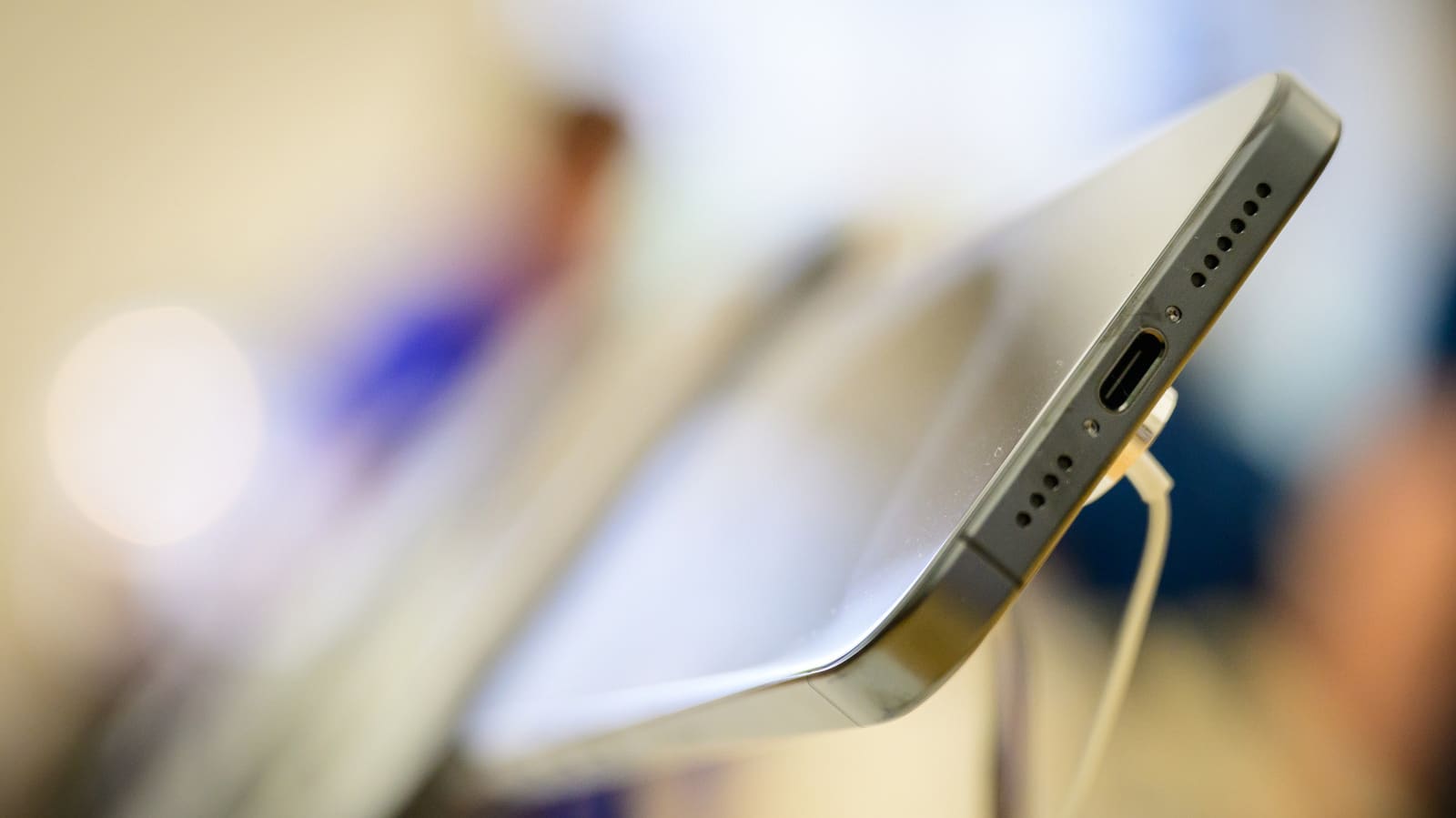
The smartphone port wars of the 2010s are over. After years of fragmentation between Lightning cables, micro-USB variants, and proprietary connectors, the industry has converged on USB-C as the de facto standard. What started as a push for universal charging has become something more interesting: a single port that turns a phone into a hub for peripherals, storage, and professional tools.
At DailyTechWire, we've tracked how USB-C adoption across mobile devices has unlocked use cases that were once the domain of laptops. The shift isn't just about convenience; it reflects a broader trend of smartphones absorbing functions from adjacent device categories. Here's what that port can actually do when you look beyond the charging brick.
Reverse Power Flow
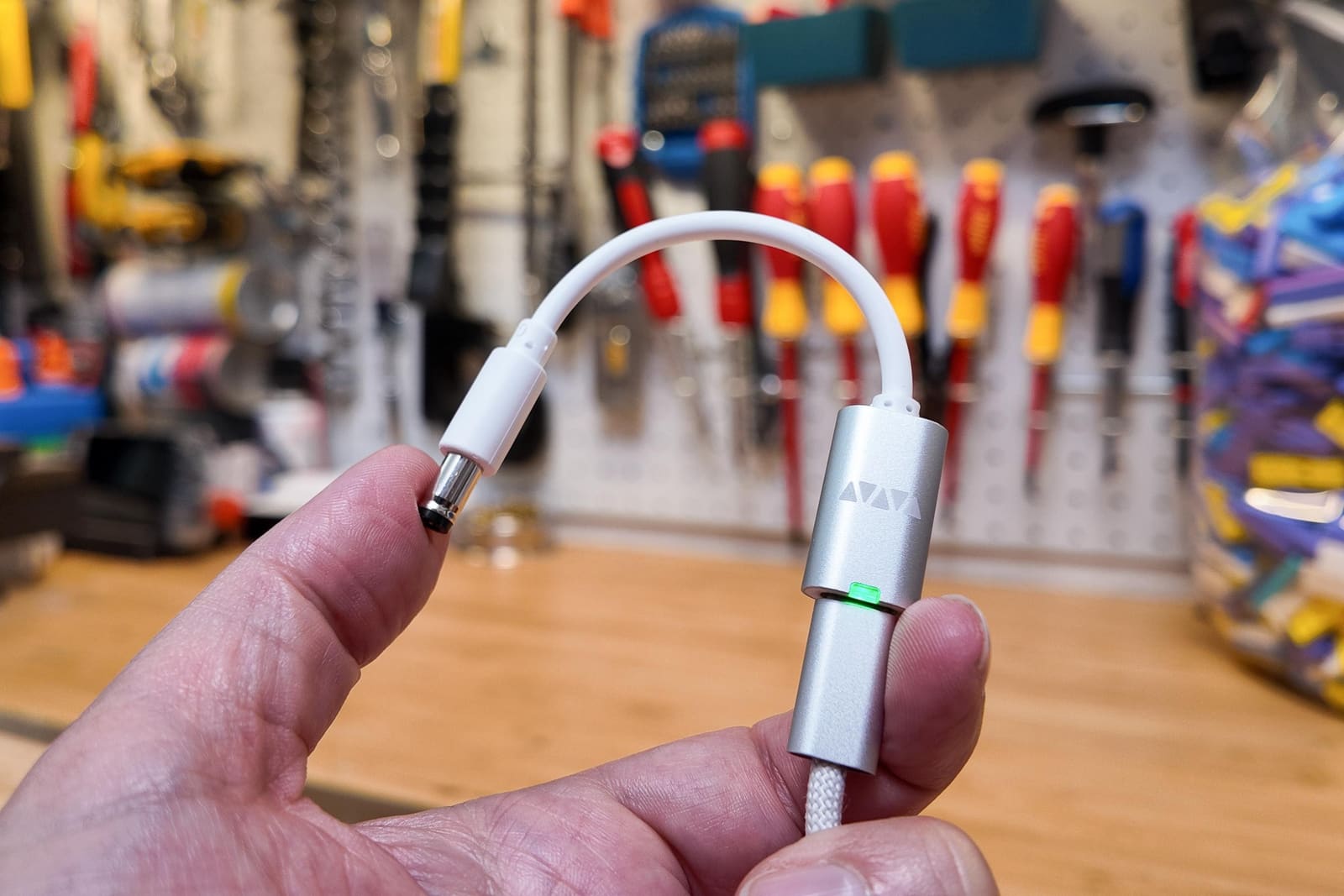
Most people plug their phone into a wall adapter or laptop. But USB-C supports bidirectional power delivery, which means your phone can act as a battery pack for other devices. Connect it to wireless earbuds, a smartwatch, or even another phone using a dual USB-C cable, and you can transfer charge in either direction.
This capability matters most in edge cases: lending power to a colleague's dead device during travel, or keeping Bluetooth accessories alive when you're away from outlets. The power output from a phone is modest compared to dedicated battery banks, but it's already in your pocket.
Storage Without the Cloud
Transferring sensitive files via email or cloud services introduces risk, whether from data breaches or inadvertent sharing. USB-C flash drives solve this by enabling direct, offline file movement between devices. Many current models feature dual connectors (USB-A and USB-C) to maintain compatibility with older laptops and desktops.
Memory card readers follow the same logic. Photographers and videographers working with large RAW files or 4K footage can bypass sluggish wireless transfers by plugging a card reader directly into their phone. Look for readers that handle both SD and microSD formats if you work across multiple camera systems.
External Keyboards for Serious Typing
Composing long emails or documents on a touchscreen keyboard is tolerable for short bursts but quickly becomes inefficient. Many wired keyboards now connect via USB-C, turning a phone into a compact workstation. The setup is particularly useful when you're traveling light and don't want to carry a laptop but still need to produce written work.
The latency and reliability of a wired keyboard connection beats Bluetooth in most scenarios, especially in environments with heavy wireless interference. Pair this with a phone stand, and you have a setup that fits in a small bag but handles substantial text input.
Screen Real Estate Expansion
Even the largest phones max out around seven inches diagonally. USB-C enables connections to external monitors and televisions, either through dedicated USB-C to HDMI adapters or multiport hubs that offer additional connectivity options.
This approach is less battery-intensive than wireless screen mirroring or casting protocols, which drain power quickly. For presentations, media playback, or detailed work that benefits from a larger canvas, a wired display connection provides both stability and efficiency. Some hubs bundle up to eight ports, allowing simultaneous connections to monitors, storage, and power.
Audio Capture for Content Creators
Mobile video production has matured to the point where entire YouTube channels and podcasts are recorded, edited, and published from phones. Audio quality remains the limiting factor in many amateur productions. USB-C microphones address this, offering a range of form factors and price points.
Lavalier mics provide hands-free recording for on-camera work. Shotgun mics improve directionality for outdoor or interview settings. Desktop USB-C mics suit voiceover work or podcasting. The variety means creators can match their tool to the specific recording environment without needing a separate audio interface.
Wired Headphones in a Wireless World
Bluetooth headphones dominate the market, but wired connections still offer advantages: no battery anxiety, no pairing hassles, and in many cases, better audio fidelity for lossless formats. Some premium headphone manufacturers now ship USB-C cables as standard, reflecting the port's ubiquity.
Older headphones with 3.5mm jacks require an inexpensive USB-C to 3.5mm adapter. These adapters are widely available and cost little, making it easy to keep using legacy audio gear. The wired option also matters on long flights or in situations where Bluetooth interference is an issue.
Gaming with Lower Latency
Mobile gaming has grown into a significant revenue segment, and serious players want console-like control schemes. USB-C allows direct connection of game controllers from PlayStation, Xbox, and other manufacturers. Wired connections reduce input lag compared to Bluetooth, which matters in competitive or reflex-dependent titles.
Mobile gaming controllers like the Backbone One and Razer Kishi take this further by clamping around the phone and creating a handheld form factor similar to the Nintendo Switch or Steam Deck. These controllers eliminate the need to obscure the screen with your thumbs and provide physical buttons for more precise input.
Specialized Tools for Skilled Trades
Beyond consumer use cases, USB-C has enabled a category of professional instruments that leverage smartphone processing power and displays. Plumbers and mechanics can attach endoscope cameras to inspect hard-to-reach spaces inside walls, engines, or HVAC systems. These phone-powered endoscopes are less capable than standalone industrial units but offer portability and lower cost.
Medical professionals working in remote or under-resourced areas have begun using USB-C ultrasound probes that connect to smartphones. While these devices don't match the imaging quality of full-scale ultrasound machines, they provide diagnostic capability in settings where traditional equipment is unavailable or impractical to transport.
The Tradeoffs of Standardization
USB-C's universality comes with complications. The standard encompasses multiple power delivery profiles, data transfer speeds, and protocol support levels, which means not all USB-C ports or cables are functionally equivalent. A cable that charges quickly may not support video output. A port that handles DisplayPort Alt Mode might not support Thunderbolt speeds.
This variability creates confusion for users and complicates accessory purchases. The industry has yet to settle on clear labeling standards that communicate a cable's full capabilities at a glance. As a result, buyers often need to dig into technical specifications or rely on trial and error.
What Comes Next
The consolidation around USB-C has accelerated accessory innovation by giving manufacturers a stable target platform. We're likely to see continued expansion of phone-connected peripherals, particularly in categories that benefit from mobile form factors: portable medical devices, environmental sensors, and field diagnostic tools.
The longer-term question is whether USB-C remains the endpoint or becomes a waypoint toward fully wireless ecosystems. Wireless charging, data transfer, and display protocols continue to improve, and some device makers are already experimenting with portless designs. But for now, that single port remains the most versatile piece of hardware on your phone.