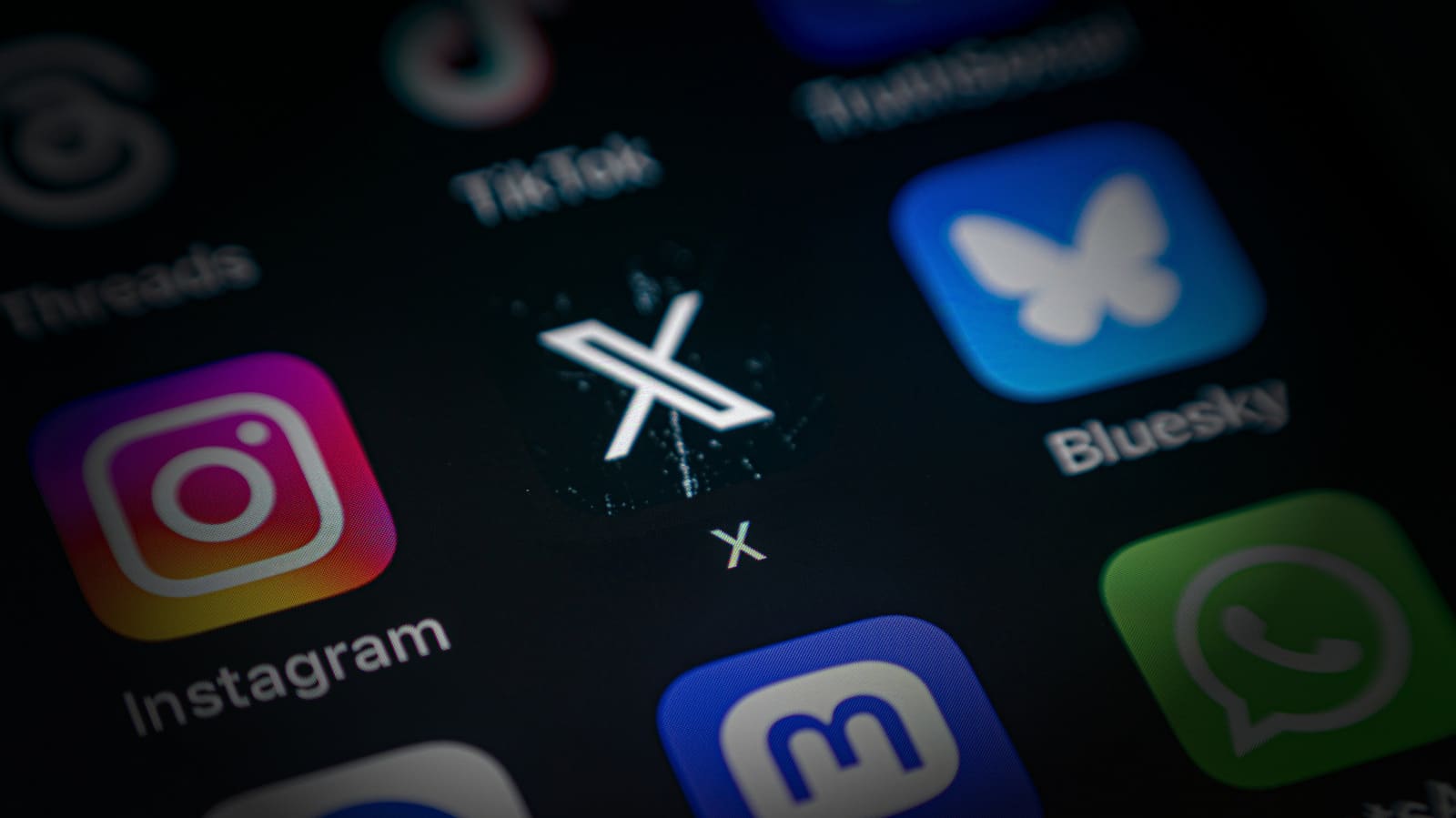
X Pulls Revenue-Share Model, Bets on Original Content Incentives
The platform's latest creator-monetization pivot raises the bar for eligibility while tying payouts to "qualified impressions" from Premium subscribers.

A New Metric for Creator Payouts
X will sunset its existing revenue-sharing arrangement for creators on September 8th, replacing it with what the company calls Original Content Rewards. The shift marks the latest in a string of adjustments to how the platform compensates users who publish content, a priority that has seen multiple overhauls since Elon Musk acquired the service.
Under the new framework, creators must clear two thresholds: a minimum of 500 verified followers and at least 500,000 impressions from verified accounts on the Home Timeline over the previous 90 days. Those benchmarks represent a deliberate move to concentrate payouts around accounts that can demonstrate both audience size and consistent reach among the platform's paying subscriber base.
The program introduces the concept of "qualified impressions," defined as unique views from Premium subscribers when at least half of a post appears on screen in the Home Timeline. That definition narrows the universe of engagement that counts toward earnings, filtering out casual scrolling and focusing on content that holds attention in a user's primary feed.
Why the Platform Is Narrowing Eligibility
The earlier revenue-sharing model attracted criticism for rewarding engagement that some observers described as low-quality or inflammatory. By anchoring the new system to verified followers and impressions from Premium subscribers, X is signaling a preference for content that resonates with users who pay for the service. That alignment may help the platform address concerns about spammy or sensationalist posts gaming the payout algorithm.
At DailyTechWire, we've tracked similar pivots across social platforms in Asia and beyond. TikTok, for instance, has experimented with creator funds that prioritize watch-time and completion rates over raw view counts. YouTube has long tied monetization to watch hours and subscriber milestones. X's shift to qualified impressions borrows from that playbook, but the requirement that views come specifically from Premium subscribers adds a layer that ties creator earnings directly to the platform's subscription revenue.
The 500-follower floor is relatively modest compared to YouTube's 1,000-subscriber threshold for its Partner Program, yet the 500,000-impression requirement over 90 days means creators must sustain a meaningful level of activity. For context, that translates to roughly 5,500 impressions per day from verified accounts, a cadence that favors accounts posting frequently or commanding broad interest within the Premium user base.
What Counts as Original Content
X has framed the program around "original content," though the platform has not yet published a comprehensive definition of what qualifies. Industry practice suggests the term will exclude reposted material, simple link shares, or content that duplicates work published elsewhere. That interpretation aligns with the platform's stated goal of encouraging creators to produce posts that originate on X rather than aggregating external sources.
The emphasis on originality could reshape the types of accounts that thrive under the new system. News aggregators, meme accounts that recycle images, and link-sharing profiles may find their earnings curtailed if their posts fall outside the program's scope. Conversely, accounts that publish commentary, analysis, or multimedia content created specifically for X stand to benefit if their work meets the qualified-impression criteria.
The visibility requirement that at least 50 percent of a post must appear on screen before an impression is counted also carries implications for content format. Longer text posts, which require scrolling to read in full, may register fewer qualified impressions than concise posts or those featuring images or video that fit within the initial viewport. Creators optimizing for the new rules will likely experiment with post length and media placement to maximize the share of views that meet the 50-percent threshold.
Regional Context and Creator Economics
Across Asia, platforms have pursued varied approaches to creator monetization. In China, WeChat and Douyin offer revenue splits tied to in-app purchases and tipping, while South Korea's Naver has integrated creator earnings into its blog and video ecosystems through ad revenue and membership subscriptions. Southeast Asian platforms such as Indonesia's TikTok Shop blend content creation with e-commerce, allowing creators to earn through product sales rather than pure engagement metrics.
X's model differs by making Premium subscriptions the linchpin of creator income. That structure creates a dependency: as the Premium subscriber base grows or contracts, so too does the pool of impressions that can generate qualified views. In markets where Premium adoption remains low, creators may struggle to meet the 500,000-impression threshold even if their overall follower counts are substantial.
The decision to gate payouts behind verified followers also introduces friction in regions where identity verification or payment-method availability can be uneven. Creators in markets with limited access to the verification process or where Premium subscriptions face currency or banking challenges may find the new program harder to access than its predecessor.
Forward Implications for Platform Strategy
The pivot to Original Content Rewards reflects a broader tension in social-media economics: platforms want to reward creators who drive engagement, but they also need to align those incentives with revenue generation and content quality. By tying payouts to Premium subscribers, X is betting that the subset of users willing to pay for the service will serve as a proxy for valuable engagement.
That bet carries risk. If Premium adoption stalls or if high-quality creators conclude that the new thresholds are too steep, the program may fail to attract the talent X needs to differentiate itself from competitors. Conversely, if the model succeeds in concentrating rewards among accounts that produce original work and sustain audience interest, it could offer a template for other platforms seeking to balance creator incentives with business sustainability.
The September 8th launch leaves creators with a narrow window to assess whether their accounts meet the new requirements. Those who have relied on the existing revenue-sharing arrangement will need to evaluate whether their follower base, impression volume, and content strategy align with the qualified-impression standard. For creators who fall short, the shift may prompt a reevaluation of where to invest effort or whether to pursue monetization on platforms with different thresholds.
X's willingness to overhaul its creator-monetization system repeatedly underscores the experimental nature of its approach under current ownership. Whether Original Content Rewards proves more durable than its predecessors will depend on how creators respond, how Premium subscriber growth trends, and whether the platform can enforce its originality criteria without alienating users who have built audiences under earlier rules. The next six months will offer early signals on all three fronts.