Valve's Setup Tutorials for the Steam Frame Leak Online
Unboxing and accessory videos surfaced briefly in the ARM Steam client before being pulled, offering a rare look at the VR headset's retail experience ahead of launch.
The Leak's Origin and Swift Removal
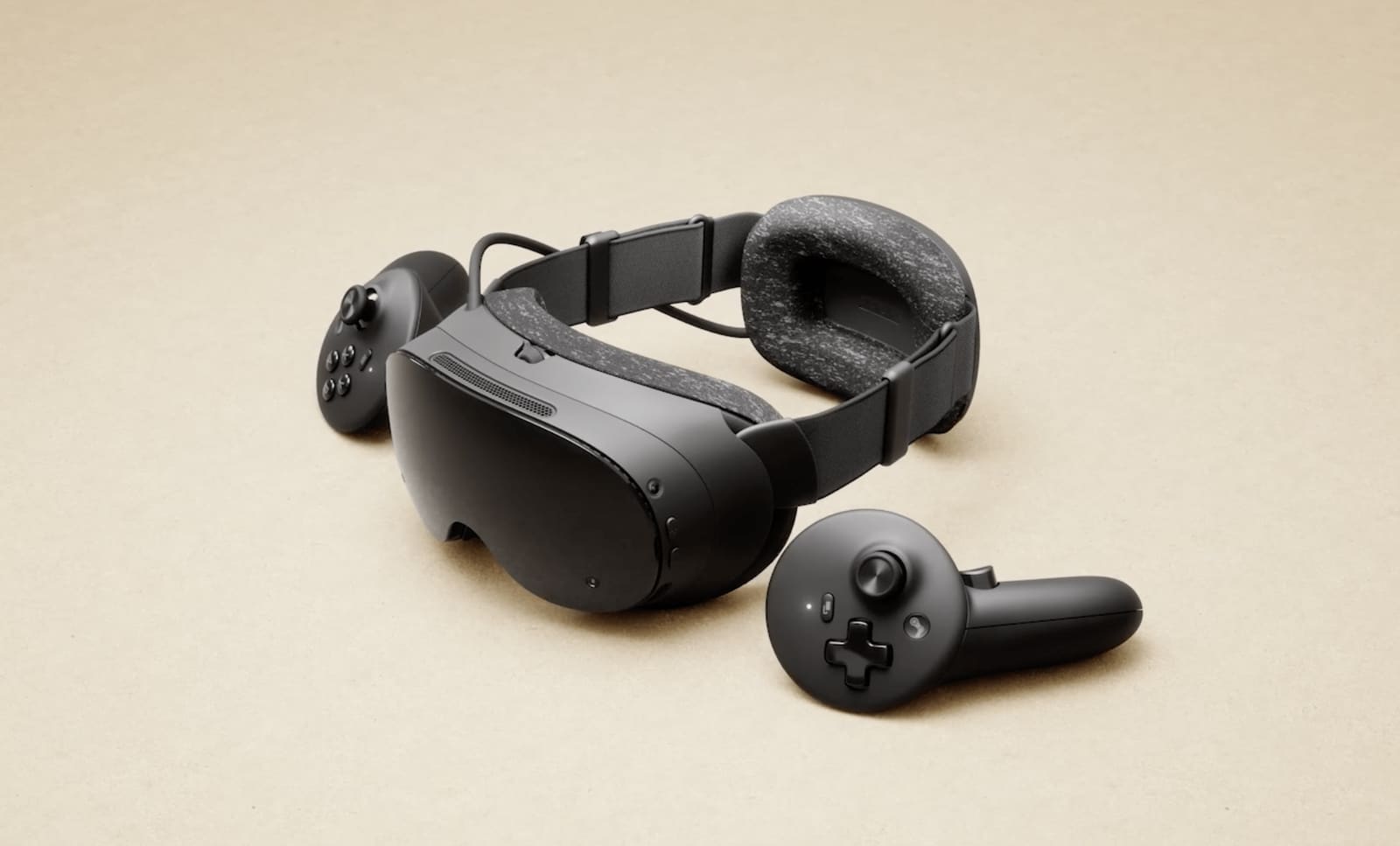
A batch of instructional videos for Valve's Steam Frame headset appeared unexpectedly in the ARM version of the Steam client following a routine update. The footage included unboxing sequences, initial setup walkthroughs, and demonstrations of various accessories that will ship with the device. Users discovered the videos within hours, but Valve removed them from the client shortly afterward. The brief window was enough for hardware enthusiasts to capture and circulate the material across social channels.
The leak represents one of the more detailed glimpses into Valve's retail packaging and user-onboarding strategy for a product that has remained largely under wraps since its initial unveiling. At DailyTechWire, we've tracked how hardware makers in the VR space increasingly rely on polished tutorial content to reduce setup friction, and these videos suggest Valve is investing heavily in that first-hour experience.
What the Videos Reveal About Hardware and Accessories
The Steam Frame runs on a Snapdragon 8 Gen 3 processor and features dual LCD panels, each delivering 2160 × 2160 resolution. Field of view extends up to 110 degrees, positioning the headset in the upper tier of standalone and PC-tethered devices competing for enthusiast attention. Valve announced these specifications when it first showed the Frame last year, but the leaked footage provides context on how those components translate into a consumer product.
The unboxing clips show a modular accessory ecosystem. Among the items visible are an alternate head strap, additional foam inserts for varied face shapes, and a compact carrying case. One video walks through the process of swapping between wired PC streaming and standalone mode, suggesting the Frame can operate in both configurations without requiring a full reboot or manual toggle buried in settings menus. That flexibility matters in a market where users often want the fidelity of a desktop GPU but also the convenience of untethered play.
Valve's Dual-Mode Strategy and Its Implications
The ability to stream from a PC or run games locally places the Steam Frame in direct competition with Meta's Quest lineup and Sony's PlayStation VR offerings. Valve's approach appears to prioritize optionality: users with high-end rigs can leverage them for graphically intensive titles, while those who prefer portability can rely on the onboard Snapdragon silicon for lighter experiences or media consumption.
This dual-mode design reflects a broader industry recognition that no single use case dominates VR adoption. Some users treat headsets as extensions of their gaming PCs, while others value the ability to use the device in spaces where a desktop setup is impractical. By accommodating both, Valve is hedging against fragmentation in user behavior, a lesson learned from the company's earlier Steam Link experiments and the mixed reception of the original Valve Index, which required external base stations and a wired connection.
The leaked setup videos emphasize ease of transition between modes, with on-screen prompts guiding users through network configuration and pairing with Steam's desktop client. The interface appears streamlined compared to earlier SteamVR setups, which often required multiple software layers and manual driver updates. If the final product ships with this level of polish, it could lower the barrier for users who have been intimidated by VR's reputation for complex setup.
The Competitive Landscape and Valve's Timing
Valve's entry arrives as the VR hardware market consolidates around a few dominant players. Meta has claimed the largest share of standalone headsets, while Sony focuses on console integration. PC-centric VR has fragmented across multiple vendors, with HTC, Valve's own Index, and smaller players like Pimax competing for enthusiasts willing to invest in base stations and high-end GPUs.
The Frame's hybrid model positions it as a bridge product, appealing to users who want the best of both ecosystems without maintaining two separate devices. Pricing and availability remain unannounced, but the leaked videos suggest Valve is aiming for a premium segment, given the accessory selection and the choice of Qualcomm's flagship mobile processor. The Snapdragon 8 Gen 3 is the same chip powering recent Android flagships, and its inclusion signals that Valve is prioritizing performance over cost in the standalone mode.
Valve's decision to support ARM architecture in the Steam client also hints at a longer-term strategy. The company has historically tied its hardware to x86 ecosystems, but extending the client to ARM opens the door for Steam Frame owners to access a broader library of titles optimized for mobile processors. This move parallels efforts by other PC gaming platforms to embrace ARM as the architecture gains traction in laptops and handheld devices.
What Remains Unknown
The leaked footage stops short of revealing launch timelines, regional availability, or pricing tiers. Valve has not issued a public statement addressing the leak, and the company's typical communication style favors sparse, infrequent updates over sustained marketing campaigns. The videos themselves appear to be production-ready, suggesting that internal testing has progressed to the stage where customer-facing materials are being finalized.
Questions also linger around software support. While the Steam library includes thousands of VR-compatible titles, the Frame's standalone mode will likely rely on a curated subset optimized for the Snapdragon platform. Valve's track record with software ecosystems is mixed; SteamOS has seen limited adoption outside of the Steam Deck, and the company's previous attempts at living-room hardware, including Steam Machines, failed to gain meaningful traction. The Frame's success will depend not only on hardware quality but also on whether Valve can deliver a cohesive, low-friction software experience that justifies the investment for users who already own VR headsets.
The Broader Shift in VR Hardware Development
The leak underscores a shift in how hardware makers approach product launches in an era of constant information flow. Valve's reliance on client updates to distribute internal materials reflects the operational reality of software-driven hardware ecosystems, where the line between development builds and public-facing releases is increasingly porous. The company's swift removal of the videos suggests an awareness of this risk, but the damage control came too late to prevent widespread circulation.
For the VR industry, the Frame represents another test of whether hybrid devices can carve out a sustainable niche. Previous attempts to combine PC and standalone functionality have struggled with thermal management, battery life, and software complexity. Valve's engineering resources and its established position in PC gaming give it advantages that smaller competitors lack, but the company's hardware ventures have historically been experimental rather than mass-market plays. The Index sold well among enthusiasts but never approached the install base of Meta's Quest line. The Steam Deck found a dedicated audience but remains a niche product compared to traditional consoles.
If Valve can translate the Frame's technical specifications into a device that feels effortless to set up and use, it may succeed in pulling users away from entrenched competitors. The leaked videos suggest the company understands that the unboxing experience and first-hour setup are critical to retention, a recognition that has been slow to take hold in the PC VR space. Whether that attention to detail extends to the software ecosystem, content library, and long-term support will determine whether the Frame becomes another footnote in Valve's experimental hardware history or a legitimate alternative in the evolving VR landscape.