Amazon Prime Air Targets 500 Cities by Year-End as Drone Logistics Race Heats Up
The e-commerce giant is betting on a sixfold expansion of its aerial delivery network to reshape last-mile logistics across the US, with five new metro regions coming online in the next wave.
Scaling the Sky: Amazon's Most Aggressive Drone Push Yet
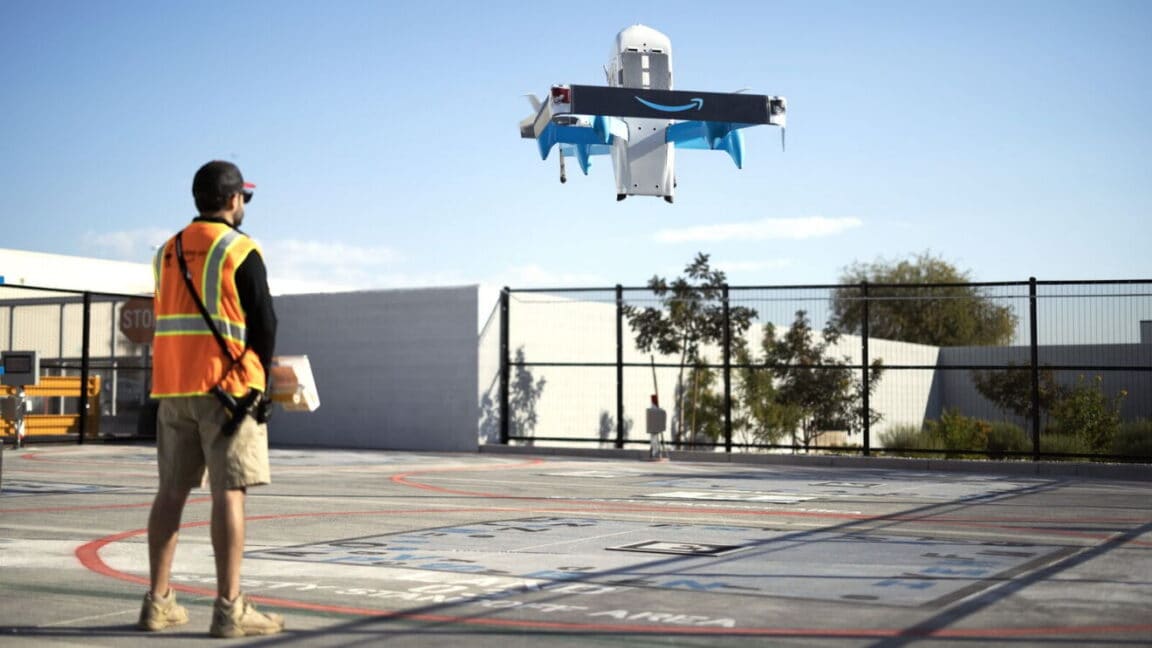
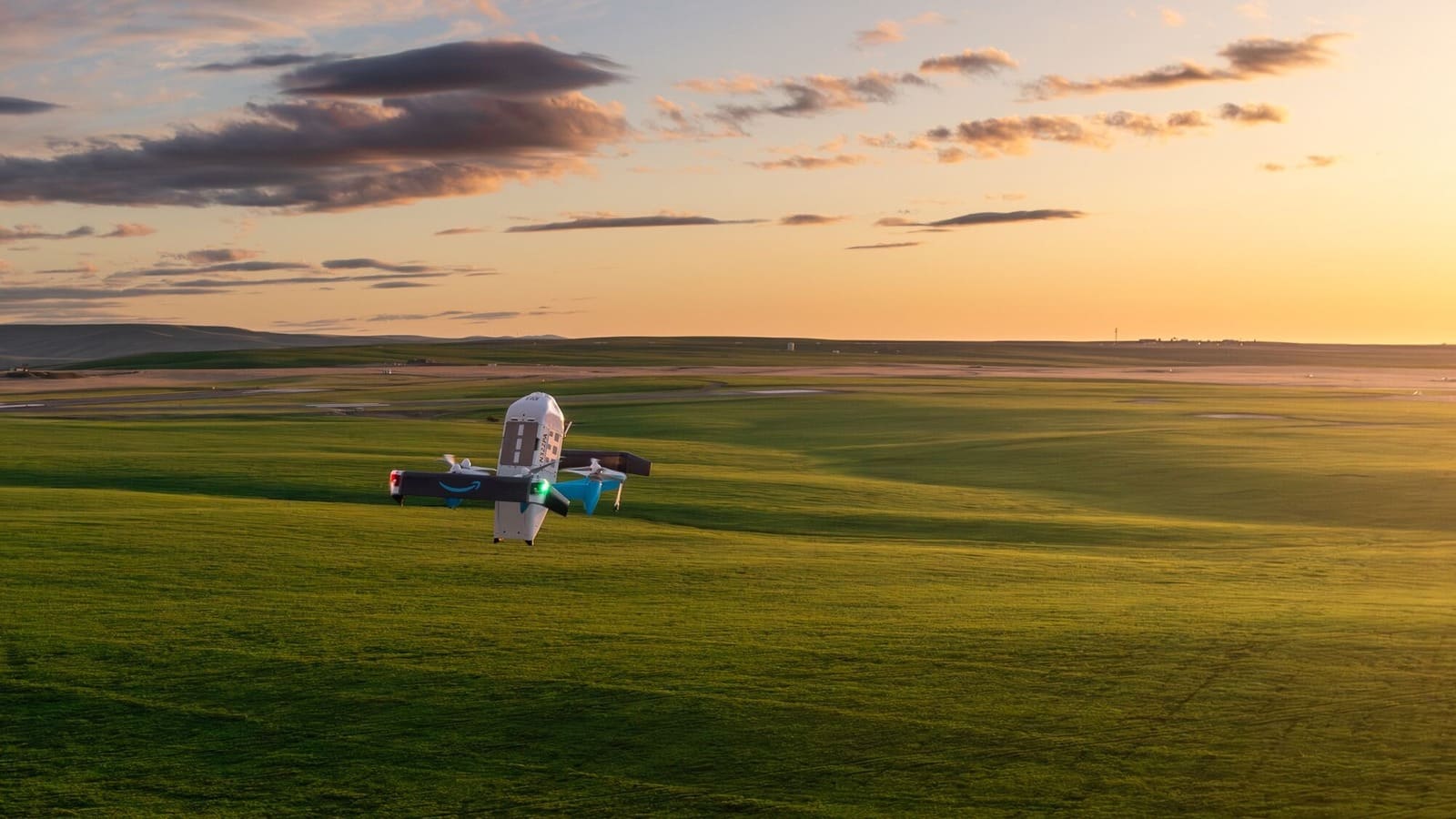
Amazon is preparing to multiply its drone delivery footprint by six in the span of a few months. The company aims to bring Prime Air service to nearly 500 US towns and cities by the end of 2026, expanding from the 10 metro areas it currently serves. The move represents the most ambitious scaling effort yet for a delivery technology that has spent years in pilot mode across the industry.
At DailyTechWire, we've tracked drone delivery initiatives from Shenzhen to San Francisco, and this expansion signals a genuine operational bet rather than another incremental test. Amazon currently operates 11 sites covering 175 square miles each, serving metro areas including Phoenix, Tampa, Kansas City, and several Texas markets. The next wave will add Chicago, Atlanta, Syracuse, Cleveland, and Boise before further rollouts later this year.
The timing is notable. While competitors like Alphabet's Wing and Zipline have focused on medical deliveries and smaller coverage zones, Amazon is leaning into urban and suburban density with a consumer-first model. The question is whether the unit economics can work at scale, particularly when the service currently handles items weighing five pounds or less that fit into a large shoebox.
The Pricing Signal: Free for Prime, Fees for Everyone Else
Amazon's pricing structure reveals how the company is positioning drone delivery within its broader membership ecosystem. Prime members receive free aerial delivery on orders of at least $50, while smaller orders incur a $3 drone fee. Non-members pay $5 per delivery regardless of order size.
This tiered approach suggests Amazon views Prime Air less as a standalone profit center and more as a retention and convenience lever for its subscription base. The $50 threshold for free delivery also nudges customers toward basket consolidation, which matters when drone capacity is limited and flight windows are constrained by weather and regulatory ceilings.
The speed promise is the real value proposition. Amazon says most drone orders arrive within 60 minutes, with some deliveries completed in 30 minutes. That velocity opens use cases traditional ground delivery cannot touch: forgotten chargers before a flight, last-minute party supplies, or urgent household replacements. It also positions Prime Air as a hedge against same-day delivery congestion in dense urban areas where traffic and parking complicate van logistics.
Infrastructure Build-Out and Regulatory Tailwinds
Expanding to 500 cities requires not just drones but launch sites, maintenance facilities, airspace coordination, and integration with Amazon's existing fulfillment network. Each site covers a defined radius, meaning the company is likely prioritizing suburban and exurban zones where airspace is less congested and landing zones more predictable.
Regulatory momentum is also accelerating. The FAA has gradually loosened restrictions on beyond-visual-line-of-sight operations, and Amazon has been an active participant in shaping those rules. The company's MK30 drone, unveiled in recent years, is designed for longer range and quieter operation, addressing two of the biggest friction points in residential drone delivery.
Still, scaling introduces new risks. Weather remains a hard constraint; drones cannot safely operate in high winds, heavy rain, or low visibility. Noise complaints, though mitigated by newer designs, will likely increase as flight volumes grow. And any high-profile incident involving a crash, injury, or privacy concern could trigger regulatory rollback or public backlash.
The Competitive Landscape: Who Else Is Flying
Amazon is not alone in the skies. Wing operates in parts of Australia, Finland, and select US markets, focusing on lightweight items and partnering with local retailers. Zipline has built a strong position in medical logistics, delivering blood and vaccines across Africa and the US. In Asia, JD.com and SF Express have run drone trials in rural China, though regulatory hurdles have slowed widespread deployment.
What sets Amazon apart is integration. Prime Air plugs directly into the company's inventory, payment, and membership systems, creating a seamless customer experience that pure-play drone operators cannot match. That vertical integration also allows Amazon to subsidize the service through Prime membership fees, a luxury startups lack.
The real test will be whether drone delivery can move from novelty to necessity. If customers begin to expect sub-hour delivery on everyday items, competitors will be forced to match or risk losing share. That could accelerate investment across the industry, but it could also expose the operational and financial limits of aerial logistics at consumer scale.
What Happens When Drones Become Ordinary
If Amazon hits its 500-city target, drone delivery will shift from curiosity to infrastructure. That transition carries implications beyond logistics. Urban planning will need to account for drone traffic and landing zones. Insurance models will evolve to cover aerial delivery risks. And labor dynamics will shift as some last-mile van routes are replaced by automated flight paths.
For now, the expansion is a calculated gamble. Amazon is betting that the convenience premium, combined with Prime membership stickiness, will justify the capital and operational complexity. Whether that bet pays off depends on customer adoption, regulatory stability, and the company's ability to keep costs under control as it scales.
The next six months will reveal whether drone delivery is ready to move from pilot to platform, or whether the constraints of physics, regulation, and economics will keep it grounded longer than Amazon hopes.