Google's Pixel 11 Lineup Hits Review Cycle Amid Hardware Refinement Push
Four devices cleared embargo simultaneously as Mountain View bets on incremental polish over platform disruption
The Embargo Lift Pattern
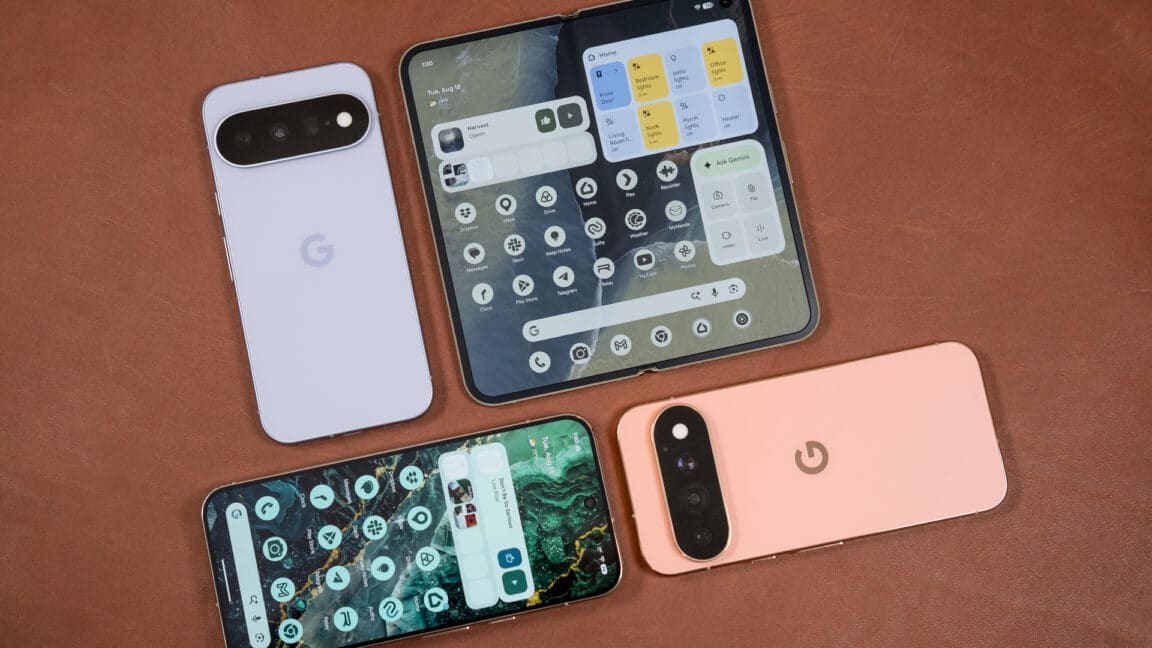
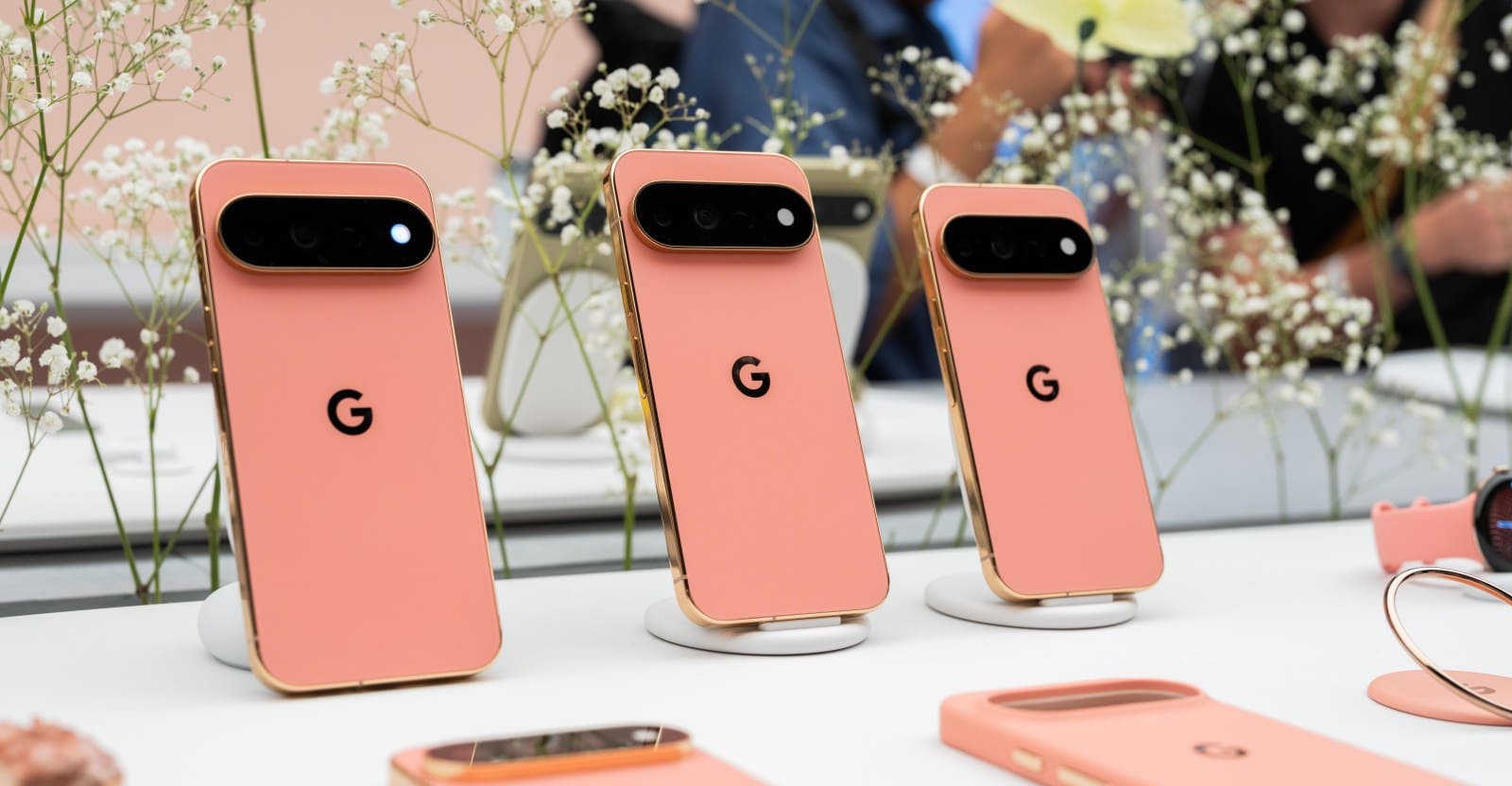
Google coordinated review embargoes across its Pixel 11 series and Pixel Watch 5 this week, a familiar cadence for a company that has refined its hardware launch choreography over the past decade. The synchronized release window allowed independent evaluators to publish assessments of the standard Pixel 11, the 11 Pro, the 11 Pro Fold, and the latest wearable simultaneously - a tactic designed to create concentrated media attention while controlling narrative timing.
The approach reflects Mountain View's maturation in consumer hardware. Where early Pixel generations struggled with supply constraints and staggered availability, the current lineup demonstrates operational confidence: four distinct SKUs reaching reviewers in parallel, each positioned for different segments of the Android ecosystem.
What the Hardware Cadence Reveals
At DailyTechWire, we've tracked Google's device strategy since the Nexus era, and the Pixel 11 generation marks a notable shift in ambition scope. Rather than chasing headline-grabbing feature moonshots - the kind that characterized earlier launches with Soli radar or computational photography breakthroughs - this cycle appears focused on refinement. The simultaneous arrival of three phone variants and a fifth-generation watch suggests Google is doubling down on portfolio breadth rather than singular innovation bets.
The foldable's inclusion in the primary launch wave is particularly telling. What began as an experimental form factor with the original Pixel Fold has now achieved parity in review timing with the flagship slab phones. That signals either strong sell-through on previous foldable iterations or a strategic decision to normalize the category regardless of current market penetration. Industry data from IDC and Counterpoint through Q2 2026 showed foldables still representing under 2% of global smartphone shipments, making Google's continued investment a long-game play.
The Wearable Parallel Track
Pixel Watch reaching its fifth generation in three years - Google launched the first model in late 2022 - indicates an accelerated iteration cycle compared to phone hardware. Wearables operate on different replacement curves and margin structures than smartphones, allowing faster hardware turns without cannibalizing previous-generation sales at the same rate.
The watch's inclusion in this embargo window also serves strategic positioning. By bundling wearable reviews with phone assessments, Google ensures its Wear OS platform remains visible in the same news cycle as its Android flagship devices. That bundling matters especially in markets like North America, where Apple Watch dominance makes any alternative wearable a challenging sell. Co-marketing the watch with phones creates implicit ecosystem messaging: buy into Pixel hardware as a platform, not just a device.
Review Infrastructure as Launch Leverage
The practice of seeding hardware to independent reviewers weeks ahead of public availability, then coordinating embargo lifts, has become standard in consumer tech. But the structure carries implications beyond simple publicity. Early review units allow Google to gather feedback on edge-case bugs, refine day-one software patches, and adjust messaging based on which features reviewers emphasize or criticize.
The AMA format mentioned in the source material represents another layer of this strategy - creating direct engagement channels between reviewers and prospective buyers during the narrow window when purchase intent is highest. That real-time interaction serves dual purposes: it extends the news cycle beyond the initial review drop, and it allows reviewers to address specific user concerns that didn't fit into formal review narratives.
The Incremental Innovation Question
Google's hardware reputation has long rested on computational photography and tight integration between silicon, software, and cloud services. The Pixel 11 generation will likely be judged on whether those advantages remain differentiated enough to justify flagship pricing in a market where Chinese OEMs deliver comparable camera systems at mid-range price points, and where Apple's vertical integration continues to set the benchmark for hardware-software synergy.
The Pro Fold's positioning is especially delicate. Samsung has owned the foldable Android space since 2019, iterating through six Galaxy Z Fold generations with progressively refined hardware and software adaptations. Google enters that fight with less manufacturing scale, higher per-unit costs, and a smaller installed base to amortize software development. The foldable's success or failure will hinge less on whether reviewers praise the engineering - they likely will - and more on whether Google can convince buyers that its software advantages outweigh Samsung's hardware maturity and ecosystem lock-in.
Regional Strategy and the Asia Question
While embargo timing is globally synchronized, the Pixel line's market availability remains concentrated in North America and Western Europe. That's a strategic constraint worth noting. The devices launching this week compete in mature, saturated markets where switching costs are high and brand loyalty is entrenched. Meanwhile, the fastest-growing smartphone markets - India, Southeast Asia, much of Africa - see limited or zero official Pixel presence.
Google's decision to keep Pixel distribution narrow reflects both business model realities and strategic priorities. The company makes far more revenue from Android licensing, Play Store transactions, and services than from hardware margins. Pixel exists primarily as a reference platform and a hedge against ecosystem fragmentation, not as a volume play. That calculus might shift if hardware becomes a meaningful profit center, but current distribution patterns suggest Mountain View remains content with Pixel as a high-end halo product rather than a mass-market challenger.
What Comes After the Review Window
The next four to six weeks will determine whether the Pixel 11 lineup gains traction beyond early adopters and existing Pixel loyalists. Initial reviews provide visibility, but sustained sales require carrier partnerships, retail presence, and word-of-mouth momentum - all harder to generate in a smartphone market where upgrade cycles have stretched to three-plus years.
The watch faces different headwinds. Fitbit integration, which Google acquired in 2021, has been slow and uneven. Wear OS still lags behind watchOS in app ecosystem depth and developer enthusiasm. Fifth-generation hardware won't fix those software and platform gaps, no matter how polished the industrial design.
For Google, success in this cycle likely means holding share rather than gaining it - keeping Pixel relevant as a premium Android option while the bulk of the company's mobile revenue continues to flow through services and licensing. The coordinated embargo lift and review blitz create a moment of attention, but the hard work of converting that attention into sales and loyalty plays out over quarters, not news cycles.