Google's Pixel 11 Lineup Faces an Unexpected Rival: Its Own Legacy
As hardware refinements plateau and prices climb, Mountain View's flagship phones must compete not just with Samsung and Apple, but with the value proposition of earlier Pixels.
The Incremental Refinement Problem
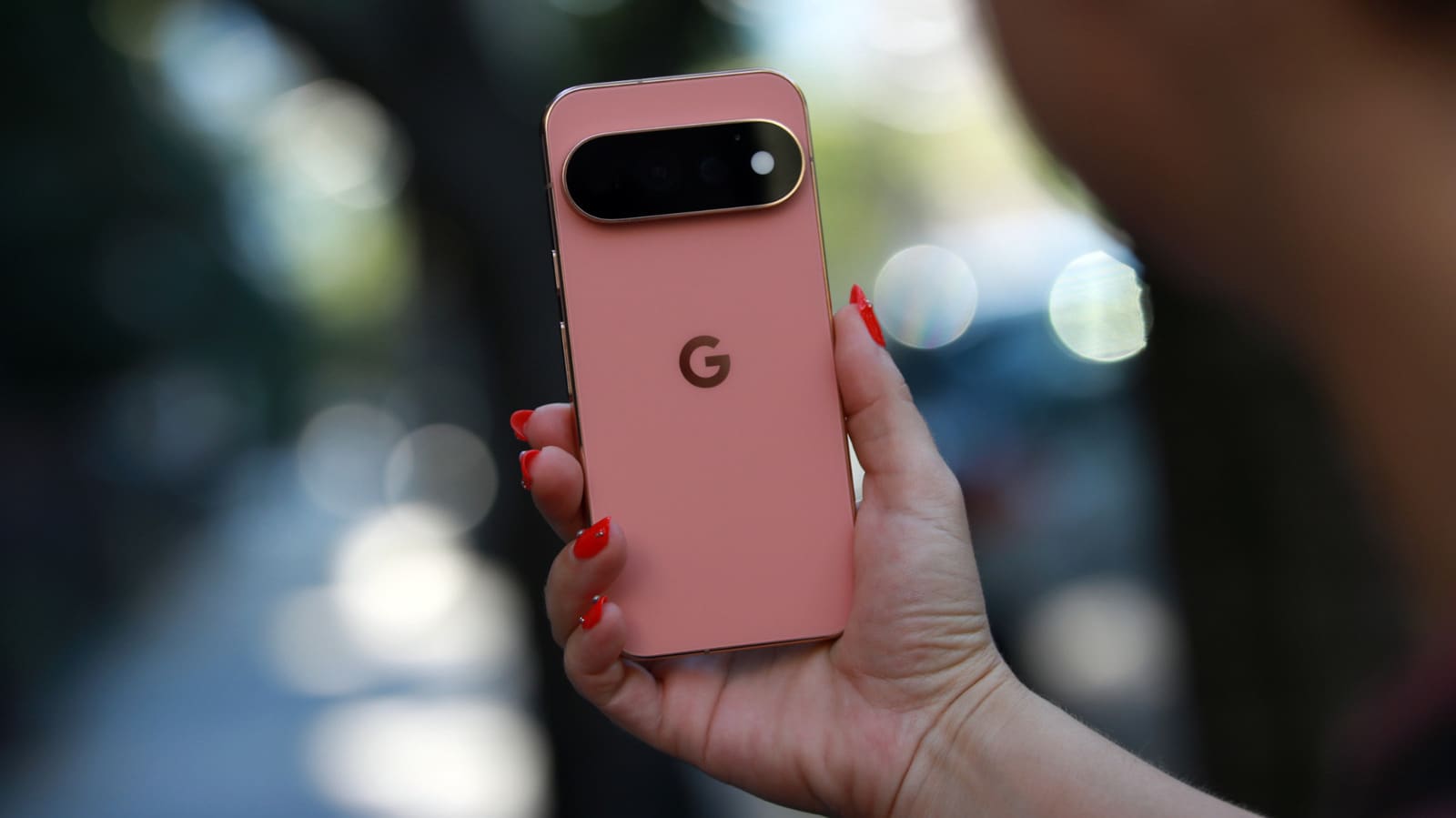
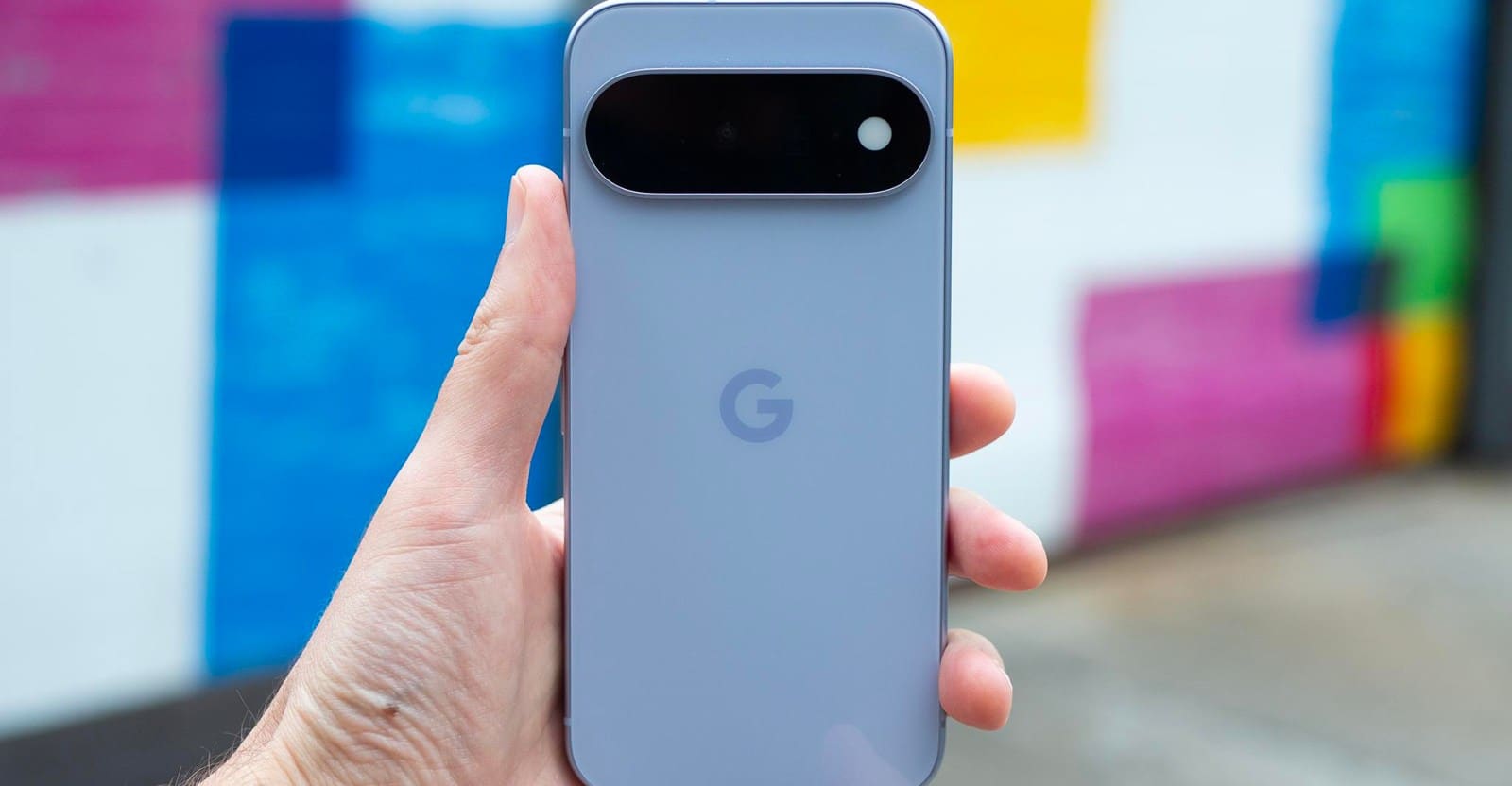
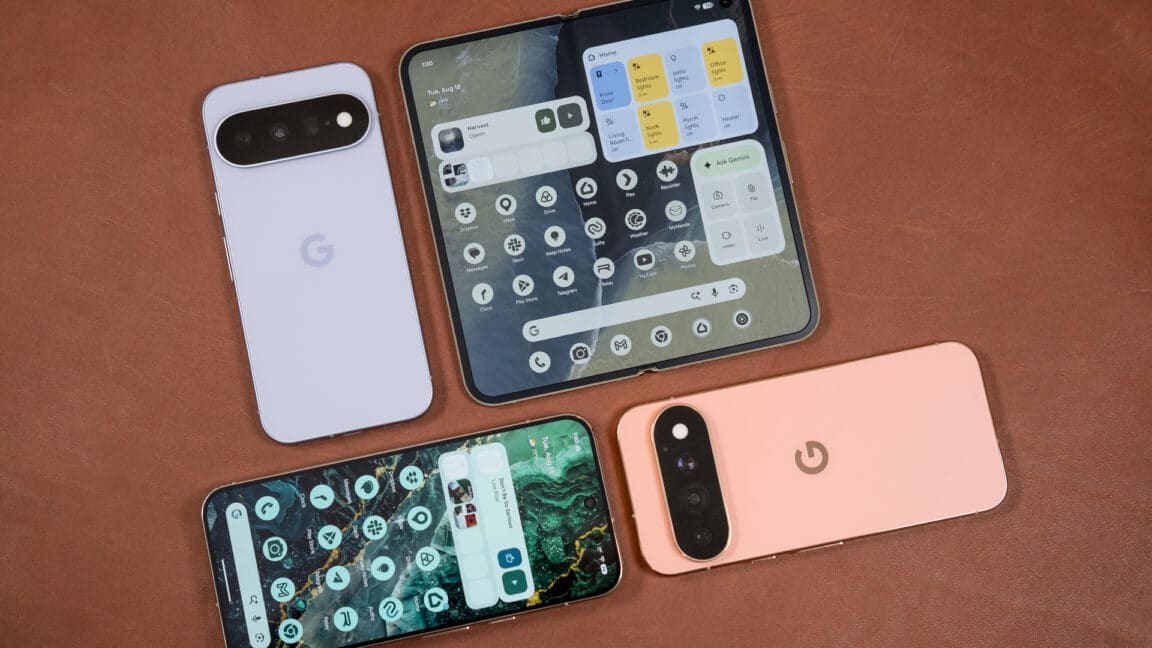
For the third consecutive generation, Google has maintained the same fundamental design language across its flagship phone lineup. The 2026 Pixel 11 series arrives with what the company calls refinements: fractional weight reductions, millimeter-level dimensional tweaks, and the familiar aluminum-and-glass construction that has defined the line since 2024. Place a Pixel 11 next to its immediate predecessor, and the visual differences dissolve into near-invisibility.
This is not inherently a failure. The design works. It photographs well, feels premium in hand, and carries the visual coherence that marks mature product lines. But in a market where Google competes simultaneously against deep-pocketed incumbents and its own installed base, the calculus of "good enough" becomes more complex than it appears.
At DailyTechWire, we've tracked the smartphone market's consolidation over the past half-decade. Where once dozens of manufacturers competed for shelf space and carrier partnerships, the field has narrowed dramatically. Google's Pixel line has benefited from this contraction, posting year-over-year sales growth even as total market volumes stagnate. The company has moved decisively upmarket, polishing away the rough edges that once characterized its Nexus-era devices aimed at enthusiasts and developers.
Yet that success may be creating its own constraints. When a product line matures and sales trajectories point upward, the institutional pressure to avoid disruption intensifies. The Pixel 11 series embodies that tension: a set of devices that excel within their defined parameters while offering little to surprise users who have followed the line's evolution.
What Changed and What Didn't
The 2026 lineup mirrors last year's structure: three flat-screen models spanning price tiers, plus a foldable variant. All four carry forward the design vocabulary established in 2024, including the Pixelsnap magnetic accessory system that has become a signature feature. Screen technology remains a highlight, with panels that deliver excellent color accuracy and outdoor visibility.
But several hardware elements have stagnated or regressed. Google has not disclosed specific component downgrades, yet the aggregate impression is one of standing still while costs rise. The company has nudged pricing upward across the range, a move that makes sense in isolation given inflationary pressures and component costs, but which compounds the perception that buyers are receiving less relative value than previous generations offered.
Software remains Google's clearest differentiator. The integration of on-device AI features, computational photography enhancements, and the company's long support window for OS updates continue to justify the Pixel proposition for many users. These are not trivial advantages. In markets across Asia where device longevity and update reliability weigh heavily in purchase decisions, Google's commitment to multi-year support creates tangible value that spec sheets alone cannot capture.
The Three-Front Competitive Reality
Google now operates in a market defined by three distinct competitive pressures, and the Pixel 11 series must navigate all simultaneously.
First, there is the expected rivalry with Apple and Samsung. These incumbents command enormous marketing budgets, carrier relationships, and brand equity built over decades. Google has made significant inroads here, particularly in North America and Western Europe, by positioning Pixels as the intelligent alternative, phones that think ahead and reduce friction through software rather than overwhelming users with feature lists.
Second, a resurgent mid-tier threatens from below. Manufacturers in Shenzhen, Seoul, and Bengaluru have closed the quality gap dramatically over the past 24 months. Devices priced 30 to 40 percent below the Pixel 11's entry point now offer 90 percent of the experience for daily tasks. This segment is growing fastest in Southeast Asia and South Asia, regions where Google has ambitions but limited traction.
Third, and perhaps most insidiously, Google competes against its own back catalog. The Pixel 9 and Pixel 10 remain widely available through carriers, refurbishers, and secondary markets. Both generations deliver the core Pixel experience: clean Android, strong cameras, reliable updates. For cost-conscious buyers, the question is not whether the Pixel 11 is good, but whether it is sufficiently better to justify the price delta. When hardware changes are minimal and software features often arrive via updates on older devices, that becomes a difficult case to make.
Regional Implications and Market Positioning
The dynamics vary significantly by geography. In Japan and South Korea, where carrier subsidies remain robust and consumers upgrade frequently, incremental refinement is more acceptable. The Pixel 11 series will likely perform adequately in these markets, buoyed by strong retail partnerships and Google's brand momentum.
In India and Indonesia, the story is more complicated. Here, value consciousness is extreme, and buyers scrutinize price-to-performance ratios with granular precision. The Pixel line has historically struggled to gain share in these markets, and the 2026 lineup does little to shift that trajectory. Google's decision to hold prices firm while offering modest hardware updates may further entrench its position as a premium niche player rather than a mass-market contender.
China remains effectively closed to Google's hardware ambitions due to regulatory and ecosystem constraints, but the company's design and manufacturing choices are informed by the competitive intensity there. The relentless pace of iteration among Chinese OEMs, who often release multiple flagship cycles per year, creates a baseline expectation for visible, meaningful updates. Measured against that standard, the Pixel 11's conservatism feels especially pronounced.
The Software Moat and Its Limits
Google's advantage has always rested on software integration. Features like real-time call screening, context-aware suggestions, and computational photography that turns mediocre sensors into class-leading cameras are genuine innovations that competitors struggle to replicate. The Pixel 11 series extends these capabilities with improved natural language processing and tighter integration with Google's cloud services.
But software advantages erode differently than hardware ones. A superior chipset remains superior until the next generation; a clever software feature can be copied, approximated, or rendered irrelevant by shifts in user behavior. Google's AI-driven features are impressive, yet they are also increasingly table stakes. Every major manufacturer now ships devices with on-device language models, predictive text, and smart assistants. The delta between Google's implementation and the competition's has narrowed.
Moreover, many of the software improvements Google introduces arrive on older Pixel models through updates, which is excellent for existing users but diminishes the urgency to upgrade. This is a strategic choice Google has made consciously, prioritizing user satisfaction and ecosystem retention over forced obsolescence. It is the right choice ethically and likely the right choice long-term for brand loyalty. But it does mean the Pixel 11 must work harder on hardware differentiation to drive upgrade cycles.
Pricing, Positioning, and Perception
The upward price creep across the Pixel line is not unique to Google. Nearly every manufacturer has raised prices over the past three years, driven by component costs, tariffs, logistics, and currency fluctuations. But pricing exists in context. When users perceive meaningful improvements, they accept higher costs. When the improvements feel incremental, price increases generate friction.
Google's positioning challenge is compounded by its own success. The Pixel line is no longer the scrappy underdog offering a pure Android experience to enthusiasts. It is a premium product line with premium pricing, competing directly with devices that have decade-long brand equity and vast retail footprints. That shift demands a different playbook. Premium buyers expect not just competence but leadership, not just refinement but innovation.
The Pixel 11 series delivers competence and refinement in abundance. It does not deliver surprise, nor does it reset expectations for what a flagship phone should be. In a market where mindshare is finite and attention spans are short, that may be the most significant risk.
What Comes Next
The question is not whether the Pixel 11 series will succeed. By most conventional metrics, it will. Google's distribution has improved, its brand equity is stronger than ever, and the devices themselves are objectively good. They will sell, they will satisfy their buyers, and they will generate positive reviews.
The deeper question is whether Google is building the foundation for sustained growth or managing a mature product line into a comfortable but limited market position. The smartphone industry's history is littered with companies that found a formula, optimized it, and then discovered too late that the market had moved on.
Google has time and resources to avoid that fate. It has deep AI expertise, control over Android, and the financial capacity to take risks. The Pixel 11 series suggests the company is choosing not to take those risks right now, opting instead for iterative improvement and margin protection.
That is a defensible strategy in the short term. Whether it remains defensible as competition intensifies, as its own back catalog becomes more attractive, and as user expectations evolve will determine whether the Pixel line's current trajectory represents a plateau or a peak.