The Pixel 11 Makes a Case for the Middle Ground
Google's latest flagship tier offers Pro-level specs at a mid-range price, challenging the notion that you need to go all-in or budget-hunt to get value.
The Overlooked Middle Child
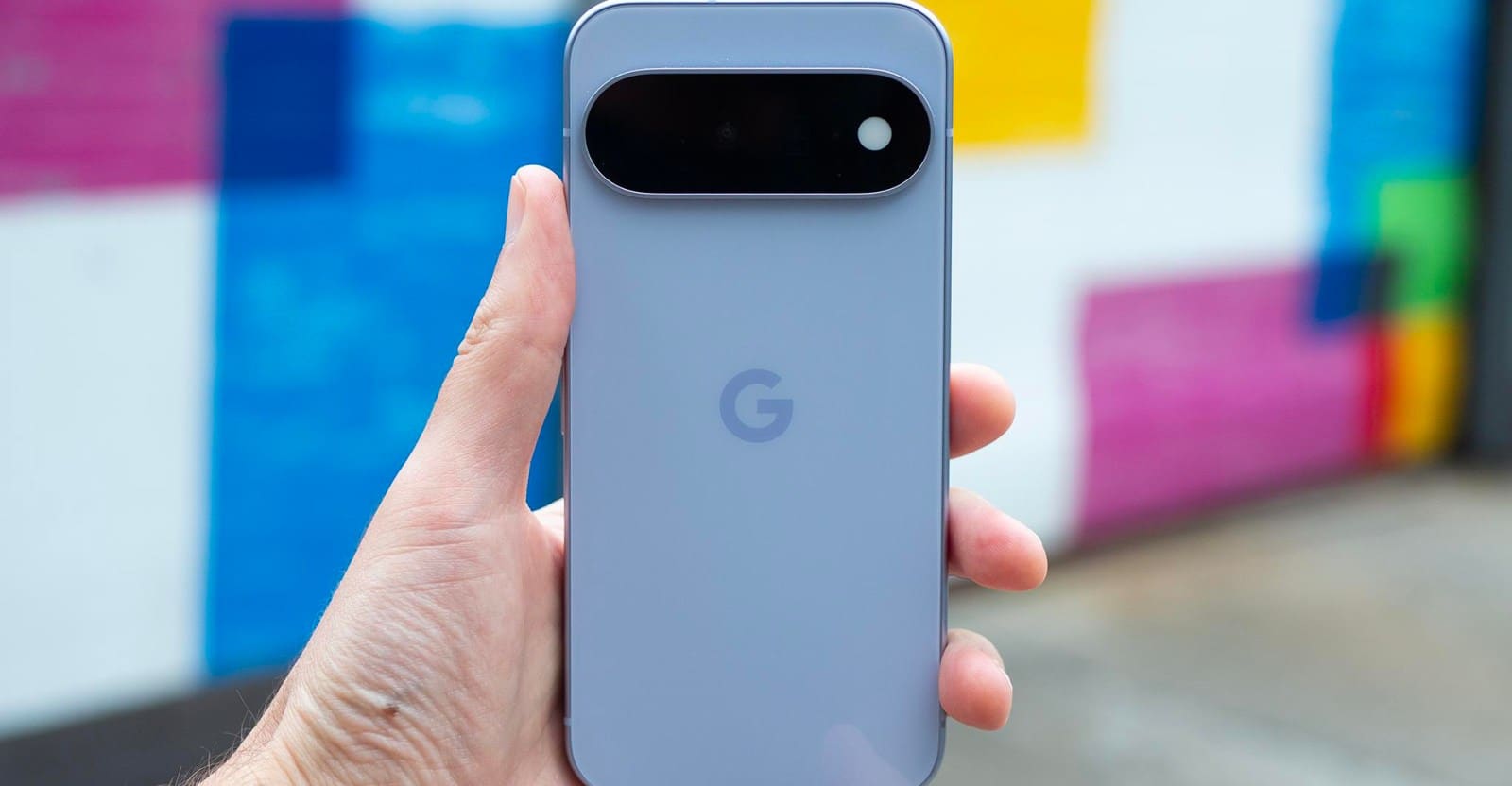
In Google's 2026 smartphone lineup, the vanilla Pixel 11 occupies an awkward position. It lacks the camera prowess of the Pro variant above it. It can't match the sheer value proposition of the 10A model still on shelves below it. Yet this middle-tier device might represent the most rational purchase decision in the entire Pixel family this year.
The phone arrives in a frost colorway that feels conservative compared to the pistachio and hibiscus hues that made previous generations Instagram-ready. That visual restraint mirrors the device's broader identity: capable without shouting about it, refined without demanding attention.
Specification Parity Where It Counts
The compelling argument for the Pixel 11 comes down to memory and storage. Google equipped this model with 12GB of RAM and 256GB of internal storage, matching the baseline configuration of the Pixel 11 Pro. That spec sheet overlap matters for everyday performance, app multitasking, and the longevity of the device over a typical two-to-three-year ownership cycle.
At DailyTechWire, we've tracked how memory allocation has become a key differentiator in Android flagships across Asia-Pacific markets, where users increasingly expect desktop-class multitasking on mobile devices. The 12GB threshold has emerged as the new baseline for smooth performance when running multiple AI-assisted features in the background, a pattern we've seen from Seoul to Singapore.
The price for this configuration sits at $899, creating a $200 gap below the Pro model. That delta represents more than just savings; it's a strategic positioning that acknowledges not everyone needs the absolute best camera system to justify flagship-tier internals.
The Feature Set Trade-Offs
Compared to the Pixel 10A, the standard Pixel 11 commands a $400 premium. That gap buys you a newer-generation processor, the additional RAM and storage already mentioned, Qi2 wireless charging compatibility, and a telephoto lens that the budget model lacks.
The processor upgrade matters less for raw speed and more for sustained performance and thermal management. The Qi2 charging standard, which Google finally adopted after years of proprietary implementations, brings magnetic alignment and faster wireless charging speeds that approach wired rates. The telephoto lens adds optical zoom capability that computational photography can't fully replicate, particularly in mixed-lighting scenarios.
These aren't revolutionary features. They're iterative improvements that collectively make the device feel more complete than the budget option, without requiring the financial commitment of the Pro tier.
Hardware Continuity and the Color Question
Beyond the new color options, the physical design of the Pixel 11 series remains largely unchanged from the Pixel 10 generation. Google appears to have settled on a form factor and industrial design language it's comfortable maintaining across multiple product cycles.
This continuity has practical benefits. Case manufacturers don't need to retool. Users upgrading from a Pixel 10 won't face a learning curve with button placement or gesture navigation. Repair infrastructure remains compatible across generations.
But it also raises questions about what qualifies as a new generation in a maturing smartphone market. When the primary differentiators are internal components and software features rather than physical redesigns, the definition of a meaningful upgrade becomes murkier.
The Accessibility of Newness
Perhaps the Pixel 11's strongest argument is democratization. It represents the most affordable entry point to whatever software and AI features Google developed specifically for this generation. While the source material doesn't detail those capabilities, the pattern is familiar: new on-device AI models, enhanced computational photography algorithms, and system-level optimizations that require the latest silicon.
The Pro model offers those same features with better cameras and potentially a larger display or additional sensors. But for users whose priority is experiencing Google's latest software direction rather than maxing out hardware specifications, the standard model removes the premium tax.
This approach reflects a broader trend we've observed in Asian markets, where manufacturers increasingly offer "just enough" flagship models that skip the ultra-premium materials and niche features in favor of accessible pricing. Xiaomi, Oppo, and Vivo have all experimented with this strategy; Google is simply applying it to its own portfolio.
The Rationality Problem
The challenge for the Pixel 11 is that smartphone purchases aren't purely rational decisions. Enthusiasts who follow spec sheets closely enough to appreciate the RAM and storage parity with the Pro model are also likely to notice the camera differences and feel the pull of the flagship. Budget-conscious buyers see the $400 gap to the 10A and question whether the upgrades justify the cost.
The device thrives in the space between these extremes, targeting users who want solid performance without obsessing over having the absolute best. That's a large demographic, but it's also one that's harder to market to with clear, attention-grabbing messaging.
Market Positioning in a Crowded Field
Google's strategy with the Pixel 11 lineup mirrors what Samsung has done with its Galaxy S series and what Apple attempts with the standard iPhone versus Pro models. The goal is to capture multiple price points within a single generation, maximizing addressable market without cannibalizing sales across tiers.
The risk is that the middle option becomes invisible, squeezed by the aspirational appeal of the Pro and the practical appeal of the budget model. Google's execution here depends on retail strategy, carrier partnerships, and promotional timing. In markets where the $899 price point hits a psychological sweet spot or where trade-in programs narrow the gap to the 10A, the Pixel 11 could find its audience.
The Verdict on Value
The Pixel 11 won't win awards for boldness or innovation. It's a pragmatic device for pragmatic buyers, offering a clear value proposition that requires no mental gymnastics to understand: you get most of what the Pro offers for meaningfully less money, and you get meaningfully more than the budget option for a premium that's defensible.
In a market saturated with incremental updates and spec-sheet arms races, that kind of straightforward positioning has merit. The Pixel 11 isn't trying to be the best at anything. It's trying to be good enough at everything that matters, priced at a point where "good enough" feels like a smart decision rather than a compromise.
For a certain type of buyer, that might be exactly what makes it worth overlooking the more attention-grabbing options on either side.