Samsung Eyes New Foldable With Video-Friendly Aspect Ratio
The company is reportedly developing a wider screen format to address the Z Fold 8's letterboxing limitations, alongside an expanded five-device lineup for 2027.
A Response to Market Feedback
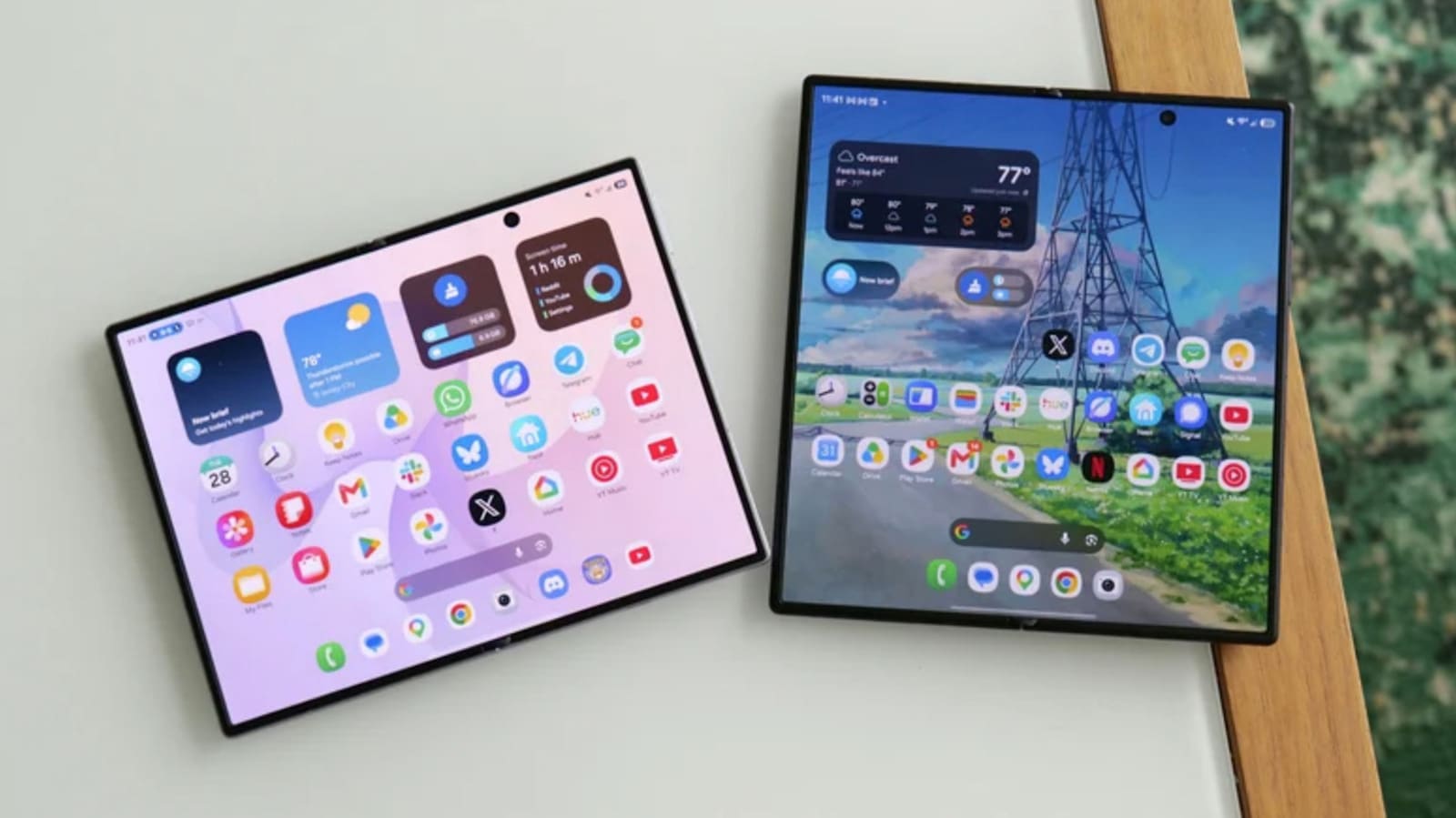
Samsung is preparing to launch a foldable smartphone with an aspect ratio designed specifically for video consumption, according to ETNews. The device, potentially arriving in 2027, would represent a departure from the 4:3 screen proportions that have defined the company's Z Fold series through its eighth generation.
The move addresses persistent criticism of the Z Fold 8's main display. While the device has achieved strong sales and favorable reviews overall, users consistently point to letterboxing during video playback as a compromise inherent to its squarer screen shape. A shift toward 16:9 or 16:10 proportions would eliminate those black bars for most streaming content and YouTube videos, aligning the hardware more closely with how people actually consume media on mobile devices.
Samsung has not confirmed development of this product. The company's next major product event is expected in July 2027, based on its established Unpacked cadence.
The Aspect Ratio Trade-Off
Foldable phones occupy an unusual position in display engineering. The Z Fold 8's 4:3 main screen offers advantages for productivity tasks like document editing and multitasking, where vertical space matters. Its 10:16 cover screen, meanwhile, delivers a more conventional smartphone experience when the device is closed.
But video has become the dominant use case for smartphone screens. Streaming platforms, social media feeds, and even video calls are optimized for widescreen formats. Samsung's current flagship forces users to choose between a productivity-oriented unfolded experience and accepting visual compromises when watching content.
A video-optimized foldable would reverse that calculation. It would deliver full-frame playback for Netflix, YouTube, and similar services on the main display, though potentially at the expense of the workspace-friendly proportions that appeal to power users. The question is whether Samsung plans this as a replacement for the existing Z Fold line or as an additional option targeting a different segment.
Five Devices, Multiple Strategies
ETNews reports that Samsung's 2027 foldable roadmap includes five distinct models. That would encompass successors to the Z Fold 8, Z Fold 8 Ultra, and Z Flip 8, plus a revived TriFold device and this new video-centric model.
The TriFold reference is particularly notable. Samsung discontinued its first triple-folding smartphone after a brief run, largely due to its $2,900 price point. That launch coincided with supply chain pressures that drove up memory costs, making an already expensive device even harder to justify for most buyers. A 2027 relaunch would test whether component costs have stabilized enough to make the form factor viable, or whether Samsung has found ways to bring the bill of materials down.
Maintaining five parallel foldable lines would be ambitious. It suggests Samsung sees enough differentiation in use cases and price tiers to support a broad portfolio, rather than converging on one or two models. It also implies confidence that foldables have moved beyond early-adopter status into sustained volume production.
The Competitive Context
Samsung's foldable strategy unfolds against a shifting competitive landscape. Apple has yet to enter the category, though supply chain reports have circulated for years suggesting prototypes and internal testing. If those reports hold, an Apple foldable could arrive later in 2026 alongside the next iPhone generation.
Chinese manufacturers have already embraced multiple form factors. Oppo, Vivo, and Xiaomi each offer foldable devices in domestic and select international markets, often at lower price points than Samsung's flagship models. Huawei's Mate X series continues to iterate despite the company's constrained access to Western markets.
For Samsung, diversifying its foldable lineup makes strategic sense. The company pioneered the modern foldable category and has maintained market leadership, but that position depends on staying ahead of both Apple's potential entry and the aggressive pricing from Chinese rivals. Offering a video-optimized model creates a clear positioning hook, a reason for consumers to choose Samsung's interpretation of the foldable over alternatives.
What a Video Foldable Means for Content
If Samsung does ship a 16:9 or 16:10 foldable, it would validate a specific vision of how these devices fit into daily life. Rather than positioning foldables primarily as productivity tools that happen to play video, it would acknowledge that media consumption drives smartphone usage for most people.
That shift would likely influence app developers and content creators. A wider installed base of video-optimized foldables would give streaming platforms more reason to optimize interfaces for those dimensions, potentially including features like enhanced controls or picture-in-picture layouts that take advantage of the extra screen real estate.
It could also accelerate the adoption of foldables in markets where large-screen video consumption is especially popular. Regions with long commutes, high mobile data usage, and strong streaming penetration would be natural targets for a device that eliminates the compromises of watching on a conventional smartphone without requiring a separate tablet.
Unanswered Questions
Key details remain unclear. Pricing will determine whether this becomes a mainstream option or a niche experiment. Battery life and weight are ongoing challenges for foldables, and a wider screen could exacerbate both. Durability, always a concern with folding displays, will need to match or exceed the Z Fold 8's hinge and screen longevity.
Samsung's decision on cover screen dimensions will also matter. A video-optimized main display might pair awkwardly with a narrow external screen, forcing users into an even more pronounced shift in behavior when opening and closing the device. Balancing those two surfaces will shape the overall user experience.
At DailyTechWire, we've tracked Samsung's foldable evolution since the original Galaxy Fold launched with durability issues and a recall. The company has steadily refined the category, addressing early concerns about screen fragility, hinge reliability, and software optimization. A video-focused model would represent the next stage of that refinement, moving from proving the technology works to tailoring it for specific tasks.
Whether that tailoring comes at the expense of the versatility that has defined Samsung's foldables so far will determine if this is an expansion of the category or a narrowing of its appeal.