Why the iPhone 15 Looks Like a Bad Bet in 2026
With the 17e priced almost identically and packing better specs, Apple's 2023 flagship loses its value proposition - unless you find a true bargain.
The Pricing Paradox
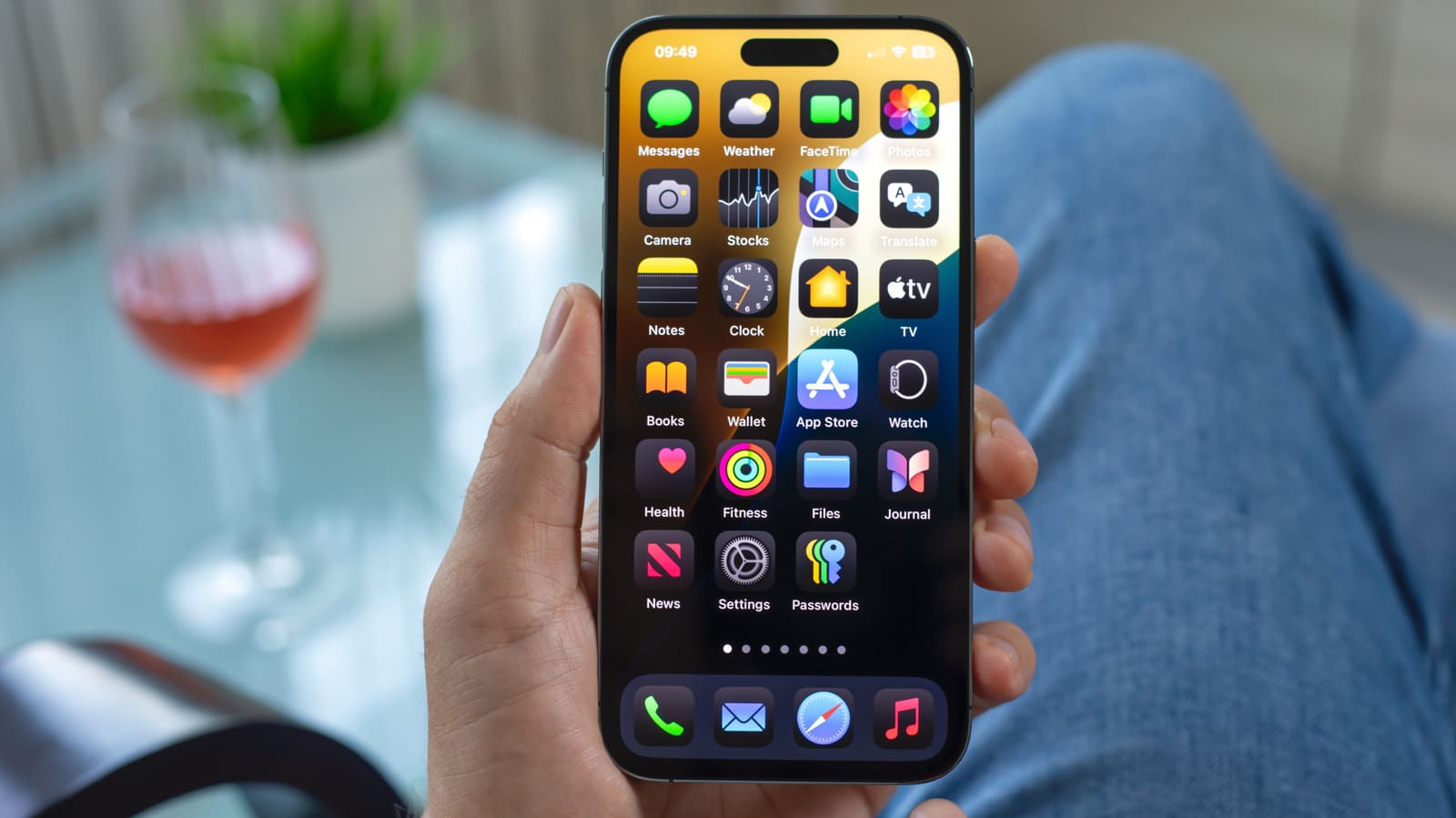
Walk into a carrier store or browse online retailers in mid-2026, and you'll still find the iPhone 15 for sale. Apple typically keeps older models in circulation to anchor the lower end of its lineup, and this two-generation-old device - soon to be three - sits squarely in that slot. At first glance, it seems reasonable: a proven design, dual cameras, and compatibility with iOS 27, which will run on devices as old as the iPhone 11. But when you compare the roughly $540 street price for a pre-owned iPhone 15 in excellent condition against the $600 starting price of a brand-new iPhone 17e, the math stops adding up.
Some carriers, including T-Mobile, are charging more for the iPhone 15 than the 17e. That alone should raise eyebrows. The 17e launched in March 2026 with 256GB of base storage; the iPhone 15 shipped with 128GB back in September 2023, and upgrading to 256GB cost an extra hundred dollars at launch. The storage gap is the first clue that Apple's older device has aged out of its value window.
Where the 17e Pulls Ahead
The hardware comparison tilts decisively toward the newer phone. The iPhone 17e carries 8GB of RAM versus the iPhone 15's 6GB, a difference that surfaces during multitasking, gaming, or any workload that taxes memory bandwidth. Its 4,005mAh battery outpaces the older model's 3,349mAh cell, translating to measurably longer screen-on time. And it weighs less while featuring Ceramic Shield 2, an iterative improvement over the original Ceramic Shield coating on the 15.
Then there's the A-series chip divide. The iPhone 15 runs the A16, which Apple deemed insufficient for on-device AI workloads. The 15 Pro and 15 Pro Max, equipped with the A17, qualified for Apple Intelligence when the feature rolled out, but the base iPhone 15 did not. That exclusion doesn't just mean missing out on generative text tools or photo cleanup features; it signals that the device sits below the performance threshold Apple considers viable for its current software roadmap. The iPhone 17e, by contrast, supports Apple Intelligence out of the box.
For anyone who plans to keep a phone for three or four years, buying a device already locked out of a headline software suite is a risky wager. Apple's typical support window spans five to seven years, so an iPhone 15 purchased in 2026 will likely receive updates through 2028 or 2029. But the absence of AI features means it's already behind the curve on capabilities that competitors are building into mid-range Android devices.
The Camera Trade-Off
The iPhone 15 does hold one tangible advantage: a second rear camera. The 17e ships with a single lens, a cost-cutting move that keeps the price down. If you regularly shoot with an ultrawide or telephoto lens, that omission matters. But the primary and front-facing cameras on both devices share the same resolution, and for casual photography - social media posts, video calls, quick snapshots - the single-lens system proves adequate.
Apple's computational photography has advanced enough that lens count no longer dictates image quality in everyday scenarios. The 17e benefits from newer image signal processing tied to its chipset, which can compensate for hardware simplicity. Unless you're committed to specific shooting modes that require dual cameras, the gap narrows to the point of irrelevance.
Display and Build: Minor Wins
The iPhone 15 offers a brighter screen, hitting 2,000 nits peak brightness compared to the 17e's 1,200 nits. If you spend significant time outdoors or in harshly lit environments, that extra headroom improves legibility. The resolution difference - 2,556 x 1,179 versus 2,532 x 1,170 - is negligible in practice; you won't notice the pixel delta during normal use.
Design preferences split on the Dynamic Island versus the notch. The iPhone 15 introduced the pill-shaped cutout that houses Face ID sensors and morphs into contextual UI elements. The iPhone 17e reverts to the older notch, a choice that some users find dated. Whether that matters depends on how much you value interface novelty over function. The Dynamic Island delivers useful glanceable information, but it's not a make-or-break feature for most workflows.
The iPhone 16 Complication
Another option hovers in the background: the iPhone 16, which sits one generation newer than the 15 and includes the Action button, Camera Control button, and an A18 chip that supports Apple Intelligence. But its price climbs well above both the 15 and the 17e, pushing it into a different tier. For budget-conscious buyers, the 16 doesn't compete on value. It's a better phone, certainly, but the cost premium doesn't align with the target buyer who's considering a discounted iPhone 15 in the first place.
The 17e threads the needle by delivering the core benefits of a newer device - faster silicon, more RAM, larger battery, AI support - without the flagship surcharge. It's positioned as Apple's deliberate entry point for price-sensitive markets, and the company priced it accordingly.
When the iPhone 15 Makes Sense
There are narrow scenarios where the older device wins. If you find a heavily discounted unit - say, $400 or less - and you don't care about Apple Intelligence, the iPhone 15 becomes defensible. A dual-camera system and a brighter display might tip the scales if those features align with your specific needs. Refurbished inventory sometimes drops below the psychological $500 threshold during promotional windows, and at that price the calculus shifts.
But those deals are exceptions, not the rule. Most of the time, the iPhone 15 is priced within $50 to $100 of the 17e, and that proximity makes the newer phone the rational choice. You're not saving enough to justify accepting older specs, less storage, and a shorter runway of software relevance.
A Footnote in Apple's Lineup
At DailyTechWire, we've tracked how Apple manages its product stack across Asia and beyond, and the iPhone 15's positioning in 2026 reflects a broader pattern. Older models linger not because they represent compelling value, but because they fill shelf space and provide stepping stones for carrier financing plans. The real story is how quickly the 17e - a device engineered to compete with mid-range Android rivals in price-sensitive markets - has undercut Apple's own back catalog.
The iPhone 15 isn't a bad phone. It's just a bad deal. Unless you stumble on a discount steep enough to offset the age gap, the 17e delivers more of what matters: longer battery life, more storage, better multitasking headroom, and access to the software features Apple is building its next few years around. For anyone entering the iOS ecosystem in 2026, that's where the value actually sits.