Google's Pixel 11 Pro Puts AI Between You and Your Photos
The latest flagship raises uncomfortable questions about computational photography's limits, even as it delivers faster Night Sight and polished hardware.
Hardware Refinement Meets Software Ambition
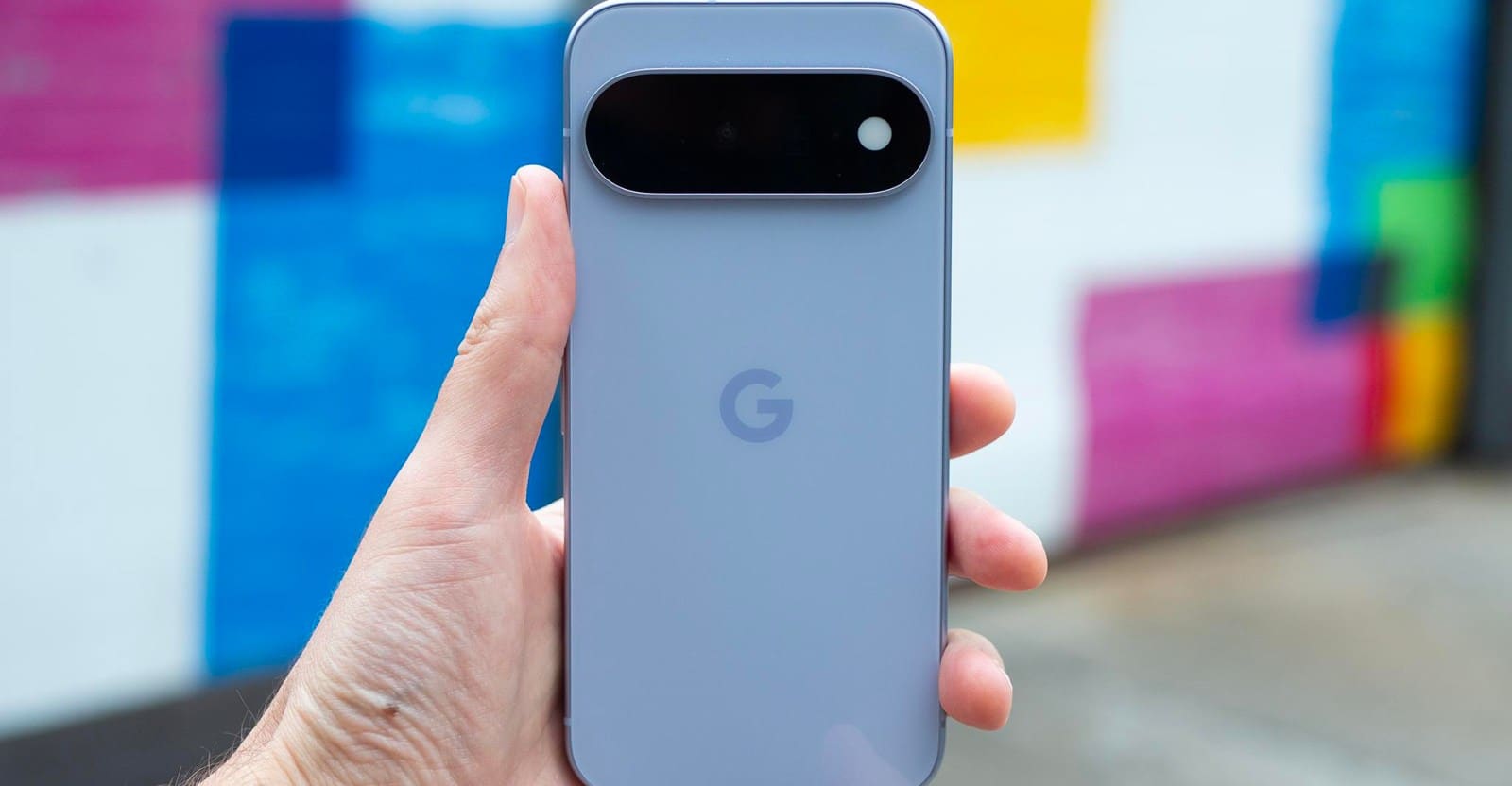
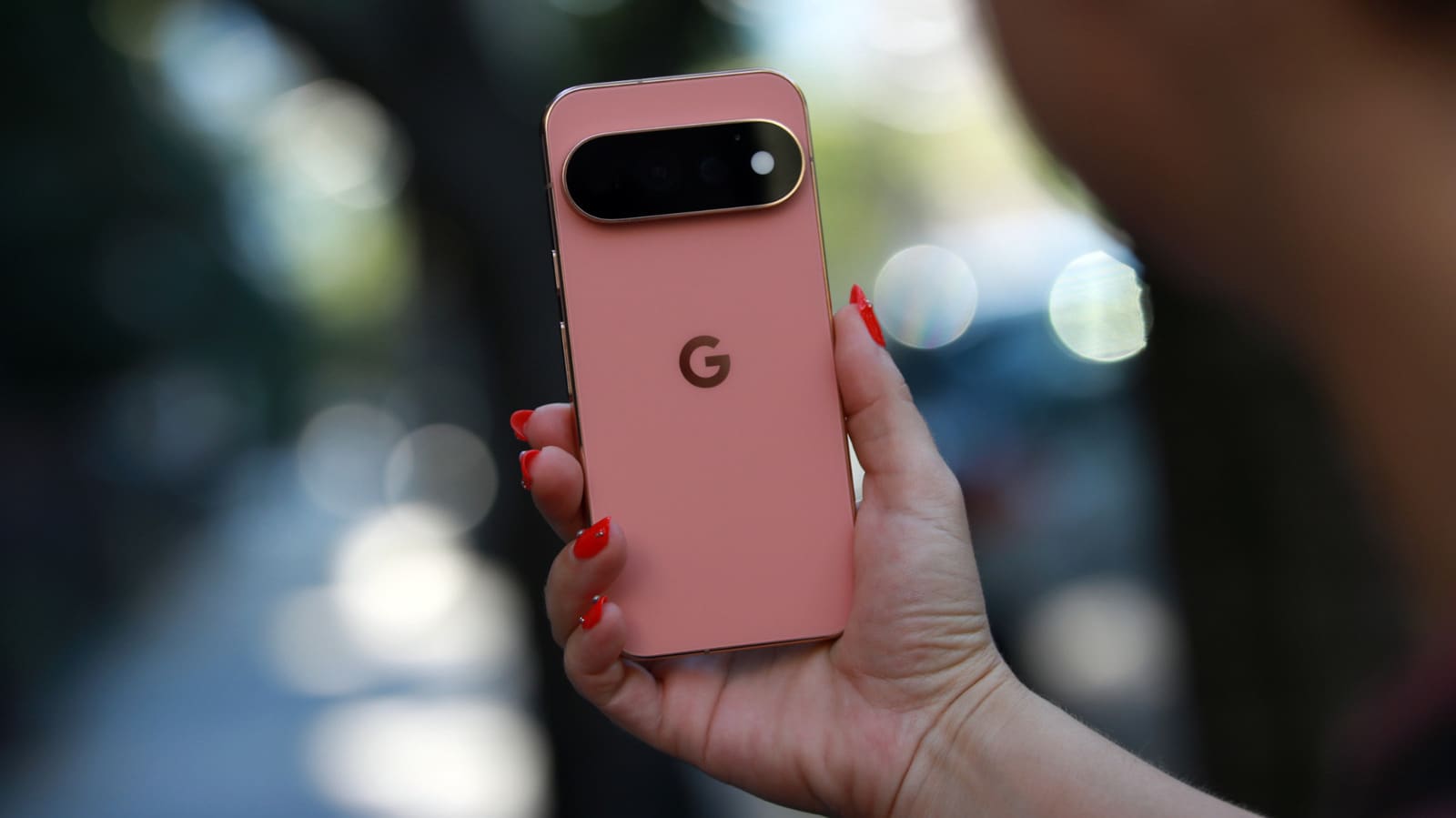
Google's Pixel 11 Pro arrives with a peachy Canyon finish, a redesigned camera bar that runs glass edge to edge, and a one-row pill module that barely wobbles when placed on a table. The 6.3-inch Super Actua display now peaks 300 nits brighter than last year's model, with an anti-scratch coating the company claims doubles resistance to surface damage. At 7.2 ounces, it's marginally lighter than the Pixel 10 Pro, despite carrying nearly identical dimensions and a 4,850mAh battery.
The Tensor G6 processor powers the device, and Google has streamlined storage options by eliminating the 128GB entry tier. What's less welcome: RAM drops from 16GB to 12GB, a concession to ongoing supply constraints. In early testing, performance remains snappy, though memory-related friction often surfaces over months rather than weeks. The $100 price increase over the predecessor puts the Pixel 11 Pro in sharper competition with Apple and Samsung flagships, and the RAM cut makes that premium harder to justify on spec sheets alone.
Night Sight Gets Faster, Zoom Gets Stranger
Google has long led the pack in computational night photography, and the Pixel 11 Pro extends that advantage with Instant Night Sight. Larger sensors on both the 50-megapixel main camera and the telephoto unit let the phone gather more light per frame, cutting exposure time noticeably. In side-by-side tests against the iPhone 17 Pro Max in near-total darkness, the Pixel consistently finished captures faster, sometimes in under two seconds when ambient light was present.
But the phone's new 120x Pro Zoom feature illustrates where computational photography begins to unsettle rather than assist. Shooting a heron across the Delaware River, the 120x magnification produced an image so aggressively cleaned and filled that feathers appeared unnaturally smooth, facial features took on an uncanny symmetry, and multiple observers immediately flagged the result as synthetic. Metadata confirmed generative fill had been applied. The bird looked less like wildlife and more like a render.
Stationary subjects fare better. Architectural details and art installations captured at extreme zoom come out sharp and legible, free of the eerie perfection that mars organic subjects. Yet the practical challenges remain: at 120x, the viewfinder hunts constantly, locking onto unintended elements and forcing the shooter to wrestle the frame back into alignment. A still heron is manageable; a moving animal or performer would be lost entirely.
Magic Capture and the Delegation of Choice
Magic Capture represents Google's attempt to solve a problem many smartphone users have internalized: the fear of missing a moment while fumbling with shutter timing. Point the Pixel 11 Pro at a scene, hold the button, and the phone records video for up to two minutes while algorithmically selecting still frames it deems worth saving. The video itself is preserved, so the user retains a backup if the AI's editorial judgment falls short.
The feature works as advertised, surfacing a handful of images after each session. But it also raises a question about photographic agency. Historically, the act of choosing when to press the shutter has been inseparable from the experience of taking a picture. Delegating that decision to an algorithm might free up cognitive bandwidth, but it also distances the photographer from the image-making process. For casual snapshots, that trade-off may be acceptable. For deliberate composition, it feels like an abdication.
Rambler and Voice Dictation
Rambler, Google's new AI-powered dictation tool, transcribes spoken input with minimal filler and automatically trims verbal tics like "um" and "uh." For users who prefer voice memos over thumb-typing, it's a genuinely useful addition. The transcription is fast, accurate across accents, and integrates seamlessly into messaging apps. It's one of the few AI features on the Pixel 11 Pro that feels like an unambiguous workflow improvement rather than a speculative bet on user behavior.
Camera Looks Lag Behind Apple's Photographic Styles
Google's Camera Looks offer ten filter options, four of which are persistent across sessions: Original, Natural, Shadows, and Vanilla. Six additional filters (Editorial, Velvet, Classic, Digi, Black Tie, Minimal) apply temporarily and revert to the default afterward. Each can be customized, but the adjustments feel surface-level, lacking the depth-aware color grading Apple introduced with updated Photographic Styles on the iPhone 16 series.
Switching between Looks produces subtle shifts in contrast and hue, but nothing approaching the dramatic background and skin tone transformations Apple's system delivers. It's a rare area where Google trails its primary competitor in computational imaging, though the gap is unlikely to sway most buying decisions. Portrait mode remains Google's strength: easier to activate, functional across a wider range of distances, and more forgiving of subject positioning than Apple's implementation.
The Cost of Computational Perfection
The Pixel 11 Pro is a well-built phone with standout low-light performance and a handful of useful AI tools. But its most aggressive features, 120x Pro Zoom and Magic Capture among them, push into territory where computational assistance starts to feel like computational interference. A photograph's value has historically rested on its claim to depict something real, even if imperfectly. When generative fill smooths a bird's feathers into an unsettling gloss or an algorithm decides which moments merit preservation, that claim weakens.
At DailyTechWire, we've tracked the steady march of AI into smartphone imaging, and the Pixel 11 Pro represents a useful data point. Google's technical execution remains best-in-class, but the question is no longer whether the company can build these features. It's whether users want them, and whether the trade-offs in price, RAM, and photographic authenticity justify the upgrade. For some, Instant Night Sight and Rambler alone will tip the scale. For others, the Pixel 10 Pro or a simpler device may serve just as well.