SpaceX IPO Vaults Musk Past $1 Trillion
The rocket company's public debut handed its CEO unprecedented wealth and voting control, a template Asian tech founders are already studying
The IPO That Rewrote the Wealth Ceiling
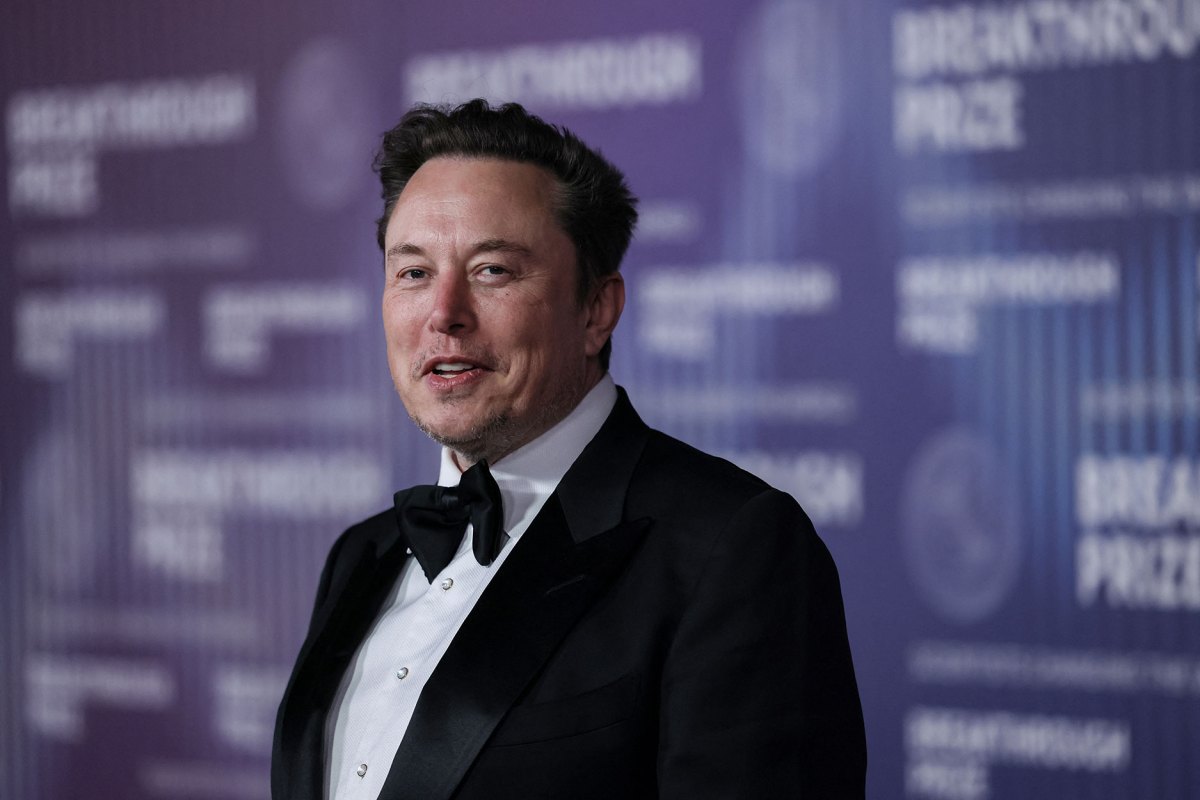
SpaceX priced its shares at $135 apiece on June 12, pushing Elon Musk's on-paper net worth past $1 trillion — a threshold no individual had crossed before. The figure, confirmed by Bloomberg, combines his roughly $860 billion stake in the rocket company with holdings in Tesla and the immediate post-listing pop in SpaceX stock. By midday trading, the number had climbed further.
At DailyTechWire, we've tracked a decade of mega-IPOs across Asia and the U.S., but this one stands apart not for its headline valuation — though that is historic — but for the governance architecture Musk embedded in the deal. The structure grants him more than 80 percent of voting control, hand-selection rights over the board, and legal shields that severely limit shareholder challenges. It is a template that founders in Seoul, Singapore, and Shenzhen are already dissecting, and it arrives at a moment when Asian tech ecosystems are grappling with their own debates over founder authority versus public accountability.
A Governance Blueprint Built for Founder Permanence
The SpaceX offering is less a traditional IPO than a carefully engineered handoff of liquidity to early backers while preserving near-total decision-making power for Musk. The dual-class share structure — common in U.S. tech but still contentious in markets like Hong Kong and Tokyo — concentrates voting rights in a class of stock Musk controls. Public shareholders, meanwhile, hold economic exposure but minimal influence.
This is not novel in Silicon Valley. Google, Facebook, and Snap all deployed similar architectures. What sets SpaceX apart is the scale of the power asymmetry and the regulatory moment in which it occurs. U.S. securities law has grown more permissive of founder-friendly structures over the past fifteen years, even as Asian bourses have moved more cautiously. Hong Kong's 2018 allowance of weighted voting rights — introduced to lure Alibaba and others — came with sunset clauses and director independence requirements. Singapore's SGX has debated similar reforms but imposed stricter caps on voting multiples.
The SpaceX model sidesteps even those guardrails. Musk can maintain control indefinitely, appoint loyalists to governance roles, and — crucially — borrow against shares that are otherwise locked (one billion shares cannot be sold unless SpaceX establishes a human colony on Mars, a condition the company itself describes as "improbable"). This borrowing mechanism allows Musk to access billions in liquidity without triggering taxable events, a strategy that has become standard among ultra-wealthy tech founders but remains opaque to most retail investors.
The Asia Parallel: Founder Control Meets Public Market Pressure
Across the Pacific, the SpaceX IPO is being read as both inspiration and cautionary tale. In South Korea, where chaebol families have long wielded disproportionate control through cross-shareholdings, younger founders at companies like Coupang and Krafton have pushed for U.S.-style dual-class structures when listing abroad. Coupang's 2021 New York debut gave founder Bom Kim super-voting shares, a move that would have faced regulatory resistance on the Korea Exchange.
In India, where Sebi (the Securities and Exchange Board) has historically resisted differential voting rights, the debate has intensified. Founders of unicorns like Zerodha and Razorpay have signaled interest in structures that preserve control post-IPO, especially as they weigh listings in jurisdictions more accommodating than Mumbai. Singapore's Grab, which went public via SPAC in 2021, adopted a similar playbook — but faced shareholder backlash when the stock underperformed and governance questions mounted.
The risk, as several institutional investors in the region have noted privately, is that these structures work well when founders execute flawlessly but offer little recourse when they do not. SpaceX's Musk enjoys immense credibility after a decade of successful launches, reusable rocket economics, and Starlink's commercial traction. But the same governance model in the hands of a less proven founder — or one facing operational headwinds — can entrench poor decision-making.
The Wealth Machine: Pay Packages, Locked Shares, and Tax Arbitrage
Musk's trillionaire status is not solely a function of SpaceX's IPO price. Last year, Tesla shareholders approved a compensation package that could itself be worth $1 trillion if the automaker hits specific valuation and operational milestones. That package, structured as stock options rather than salary, defers tax liability until Musk exercises and sells — a timeline he controls.
The SpaceX share lockup tied to Mars colonization adds another layer. While the condition appears aspirational (SpaceX's own public filings describe it as unlikely within the next decade), it serves a dual purpose: it signals long-term commitment to the company's mission, and it creates a borrowing collar. Musk can pledge those locked shares as collateral for loans, accessing cash without selling and without incurring capital gains tax. This is not unique to Musk — founders from Bezos to Zuckerberg have used similar strategies — but the scale here is unprecedented.
For Asian founders watching closely, the lesson is clear: wealth preservation and liquidity access are increasingly decoupled from traditional exit mechanics. The IPO is no longer the moment a founder cashes out; it is the moment they lock in control and unlock new financial instruments.
Why This Structure Matters Beyond One Founder's Net Worth
The SpaceX IPO arrives at a time when founder power is under scrutiny globally. In the United States, Musk's involvement in the previous year's presidential campaign — he contributed roughly $300 million to support Donald Trump — and his subsequent role leading a government efficiency initiative have drawn criticism for conflicts of interest and policy outcomes. Public health researchers at Harvard attributed hundreds of thousands of deaths to decisions made under that initiative, including the dismantling of USAID.
These controversies have not dented Musk's financial ascent, but they underscore a broader tension: as founders accumulate wealth and influence at historic scale, the mechanisms for accountability — regulatory, shareholder-driven, or reputational — have not kept pace. Dual-class structures insulate founders from short-term market pressure, which can be strategically sound. They also insulate founders from corrective feedback when strategic missteps occur.
In Asia, where tech founders are navigating their own political entanglements — from Beijing's regulatory crackdowns on platform companies to New Delhi's scrutiny of foreign capital and data localization — the SpaceX model offers both a playbook and a warning. Governance structures that work in Palo Alto may not translate cleanly to jurisdictions where state influence, family conglomerates, and retail investor protections operate under different assumptions.
The Market SpaceX Is Betting On — And Who Else Is Racing There
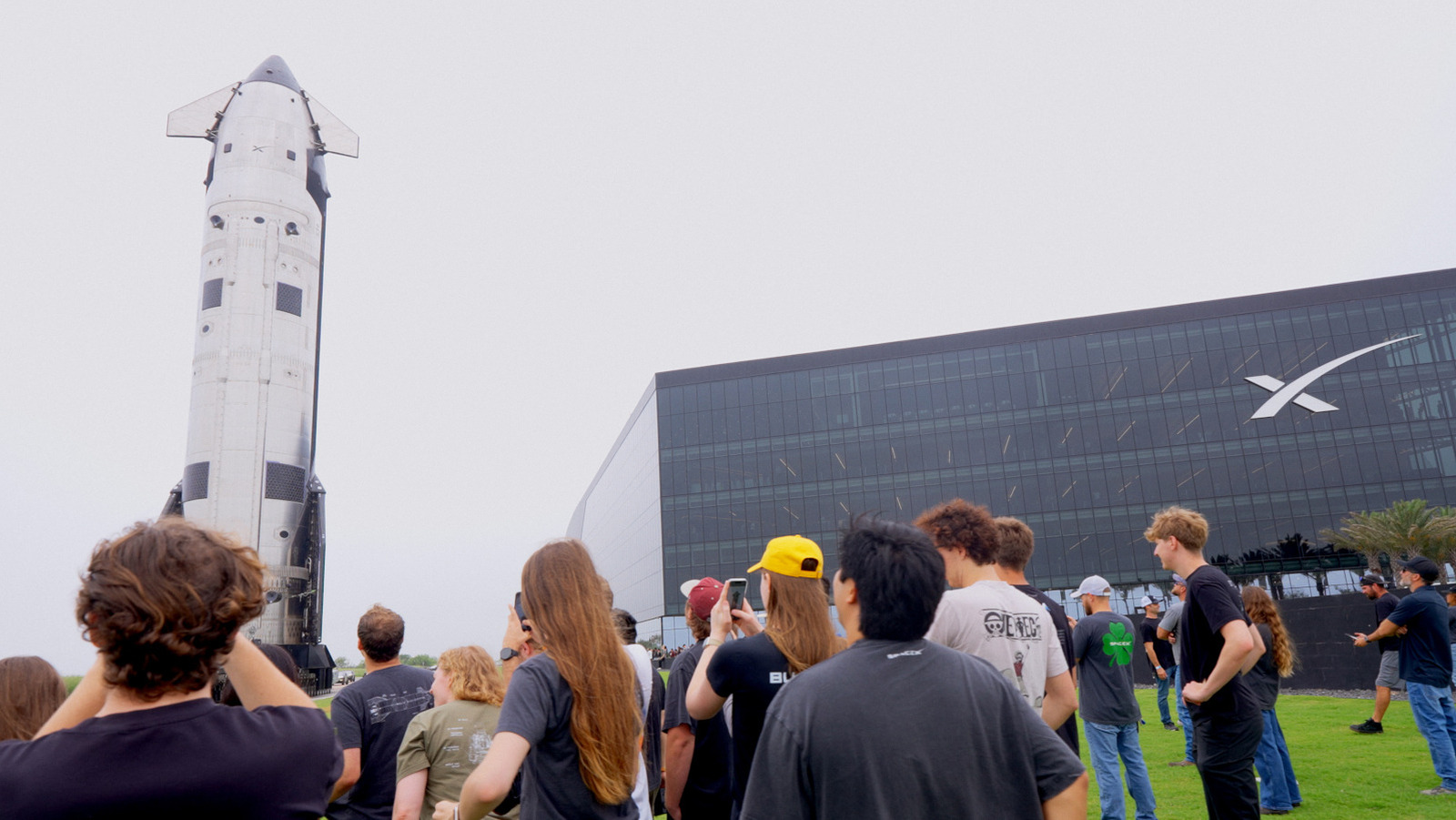
SpaceX describes its addressable market as the largest in history, a claim rooted in its ambitions for satellite internet (Starlink), interplanetary logistics, and orbital infrastructure. The company has already launched more than 5,000 Starlink satellites and serves customers across six continents. Revenue from Starlink alone is estimated in the billions annually, though SpaceX does not disclose financials publicly.
Competitors are circling. In China, state-backed entities and private startups like Galactic Energy and iSpace are advancing launch capabilities, though none have matched SpaceX's reusable rocket economics. India's ISRO has ramped up commercial launch services, and Japan's ispace is targeting lunar logistics. The competitive landscape is no longer U.S.-versus-Russia; it is increasingly multipolar, with Asian players investing heavily in sovereign space capacity.
The IPO gives SpaceX access to public capital markets, but Musk's voting control means strategic direction remains centralized. For investors, the bet is not on a diversified board shaping long-term strategy; it is on Musk's vision and execution. That trade-off — liquidity for influence — is one Asian tech investors are increasingly familiar with, and increasingly wary of.
What the Trillion-Dollar Threshold Signals for Founder Economics
Musk's crossing of the trillion-dollar mark is symbolic, but it also reflects structural shifts in how wealth is created and preserved in the tech sector. Equity concentration, favorable tax treatment of stock-based compensation, and the ability to borrow against illiquid holdings have turned founder stakes into perpetual wealth engines. The IPO is no longer an exit; it is a refinancing event.
For the startup ecosystems we cover across Asia — from Jakarta's fintech founders to Seoul's gaming entrepreneurs — the SpaceX playbook offers tactical lessons: retain control, structure liquidity around long-term incentives, and use public markets as a tool rather than a constraint. But it also raises questions those ecosystems are beginning to ask more loudly: at what point does founder control become founder impunity? And when wealth concentration reaches this scale, what obligations — if any — come with it?
The answers will shape not just individual IPOs but the social contract between tech founders, their investors, and the publics whose infrastructure, data, and attention underpin their fortunes. SpaceX's debut has handed Musk unprecedented wealth and power. Whether that model proves durable — or whether it sparks a regulatory and investor reckoning — is a question the next decade will answer.