Google Pivots to Trevor Noah for Pixel 11 Launch Show
The tech giant's celebrity-led hardware events now feature a new host, as hands-on reviews arrive hours before the keynote itself.
The New Face of Made by Google
Google is rolling out its Pixel 11 hardware lineup through a celebrity-hosted broadcast event, with Trevor Noah taking the stage this year. The format represents a continuation of the company's strategy from 2025, when it first experimented with turning product launches into entertainment spectacles, though the host chair has changed hands.
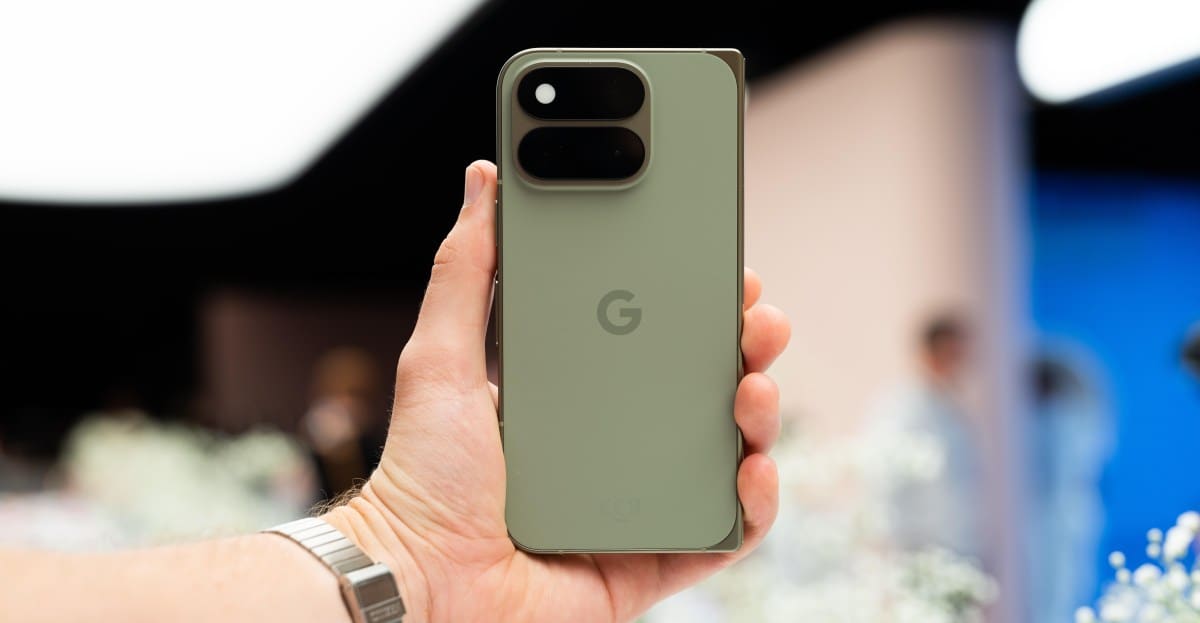
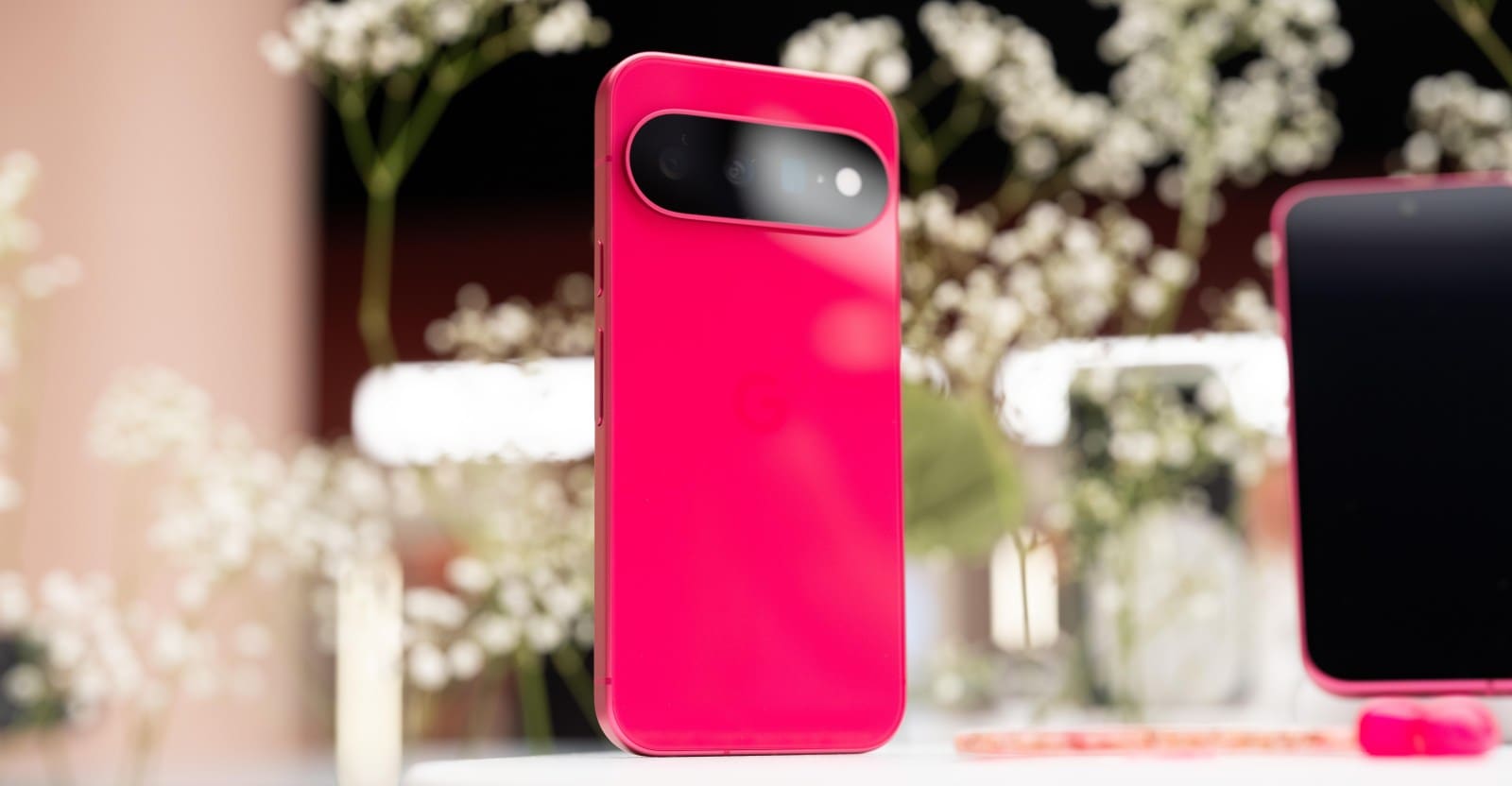
The timing reveals an interesting tension in how hardware launches work today. While the keynote presentation serves as the official public unveiling, extensive hands-on coverage from press and creators went live hours earlier. Reviews, camera samples, and detailed impressions of the Pixel 11 phones and Pixel Watch 5 circulated across tech media well before Noah's introduction, raising questions about what role these produced events now play.
Why Celebrity Hosts for Hardware?
The shift to celebrity-fronted presentations marks a departure from the executive-led keynotes that defined tech launches for decades. Google's approach appears aimed at broadening appeal beyond the core enthusiast audience that would watch a VP of Product Management walk through spec sheets.
Yet the 2025 event, which featured Jimmy Fallon, drew criticism for its tone. The balance between entertainment value and technical substance proved difficult, with many observers finding the format awkward rather than engaging. That Google is persisting with the model, while swapping hosts, suggests the company sees potential in refining the approach rather than abandoning it.
Trevor Noah brings a different energy than Fallon. His background in political satire and international perspective could shift the tone, though the fundamental challenge remains: how do you make a smartphone launch both informative and genuinely entertaining without veering into cringe territory?
The Pre-Launch Review Paradox
The modern product launch has become fragmented. Google provided early access to hardware, allowing detailed hands-on coverage to publish before the official event. This strategy maximizes day-of-launch buzz and ensures comprehensive coverage appears immediately, but it also undercuts the reveal moment that keynotes traditionally provided.
For enthusiasts tracking the news cycle, the keynote offers little new information. The Pixel 11's camera system, display specifications, processor details, and Watch 5 features were already documented and analyzed hours earlier. What remains is the presentation itself, which now functions more as brand theater than information delivery.
This creates a strange dynamic: the event is simultaneously crucial for public awareness and redundant for anyone already paying attention. Google is essentially producing two parallel launches, one for the tech press operating on embargo schedules and another for general consumers encountering the products through the broadcast.
What the Format Reveals About Google's Positioning
The celebrity hosting choice signals how Google views its position in the consumer hardware market. Apple can rely on executive presentations because its events carry cultural weight on their own. Samsung's Unpacked events lean heavily on production value and scale. Google, still working to establish the Pixel line as a mainstream choice rather than an enthusiast option, appears to be betting that entertainment value can drive broader awareness.
The Pixel series has always occupied an unusual space. It serves as Google's reference design for Android, showcasing what the company believes the platform should be. But in market share terms, it remains a fraction of the global smartphone landscape. These high-production events may be an attempt to punch above that weight, generating conversation and coverage that pure product merit alone might not command.
The risk is that the format becomes the story. When observers spend more time discussing whether a launch event was awkward than discussing the products themselves, the strategy backfires. Google's challenge is ensuring that Noah's hosting enhances rather than overshadows the hardware.
The Pixel 11 Lineup Itself
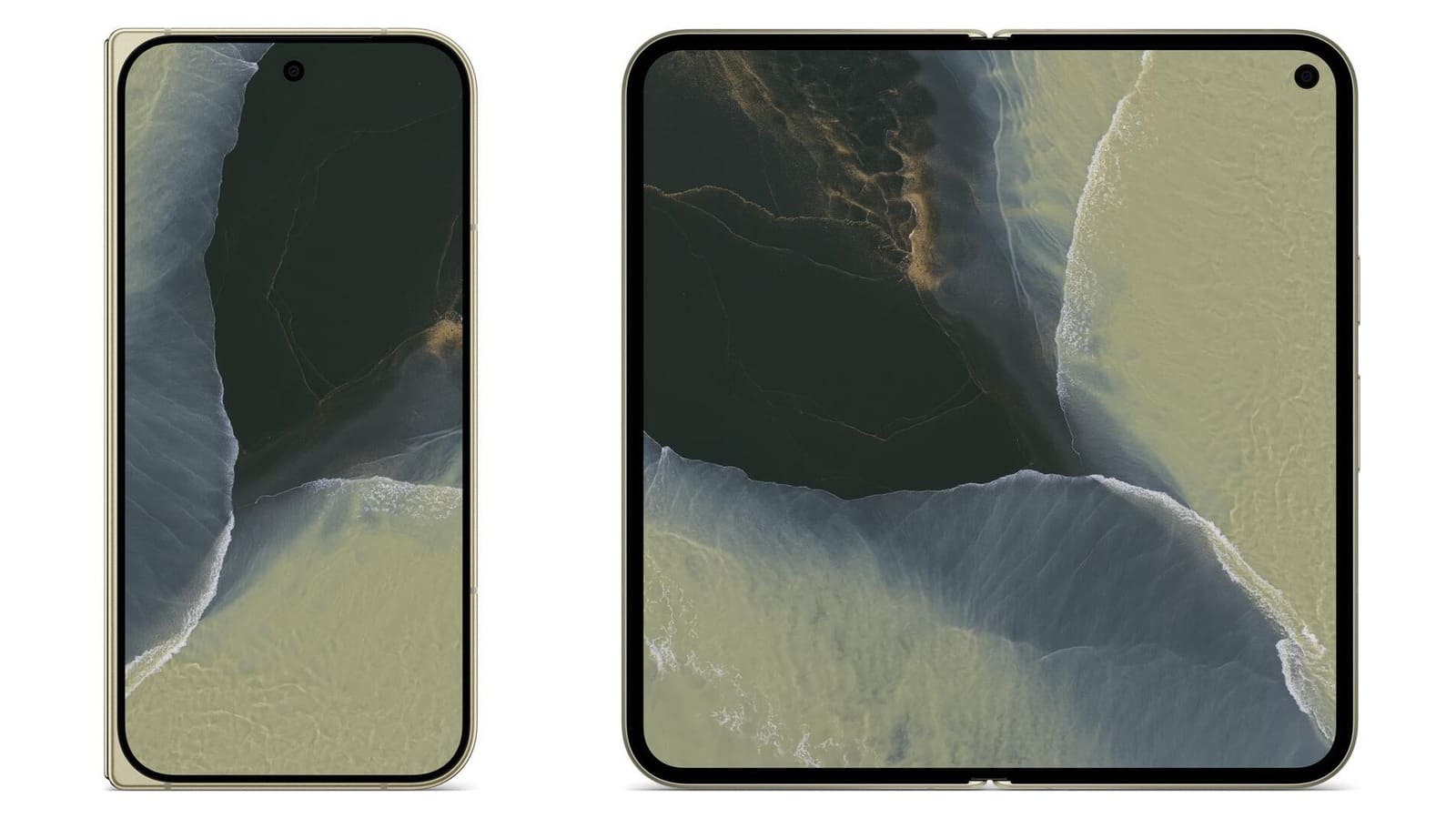
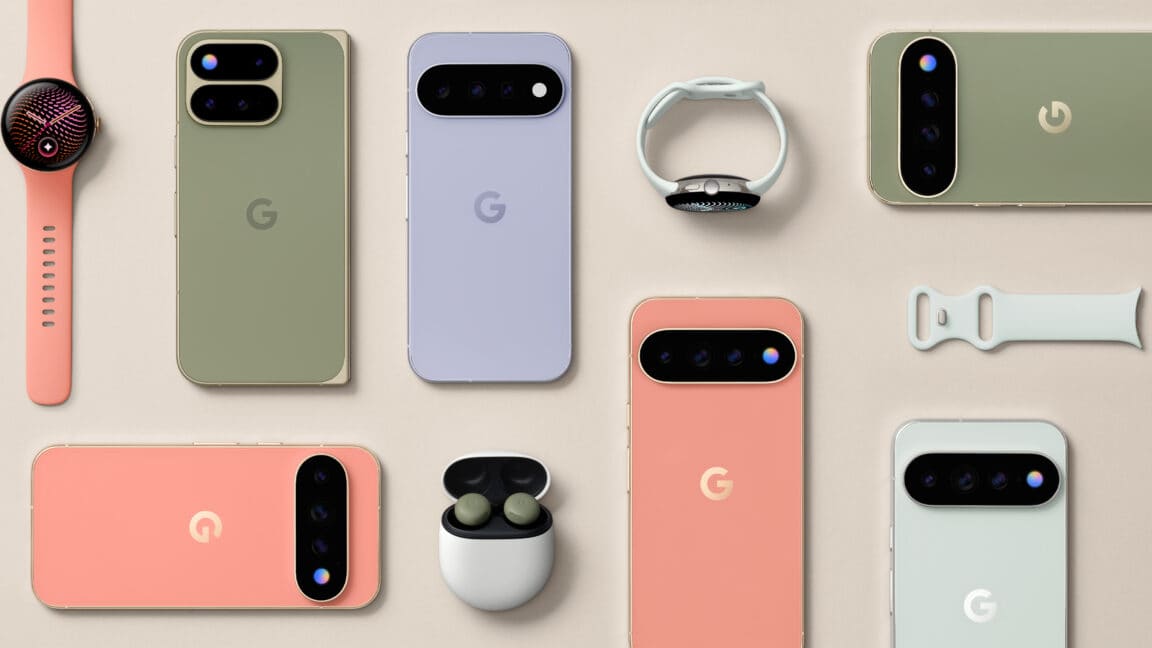
Beyond the presentation format, the actual products represent Google's continued refinement of its hardware strategy. The Pixel 11 phones bring updated camera systems, which have historically been the line's strongest selling point. Google's computational photography approach has allowed it to compete with devices featuring more elaborate physical camera arrays, and each generation typically introduces new processing capabilities.
The Pixel Watch 5 extends Google's wearable ambitions, a category where the company entered relatively late but has been iterating quickly. The watch serves dual purposes: it's a consumer product in its own right and a showcase for Wear OS, which Google needs to remain viable as a platform.
The early hands-on coverage provides a clearer picture of what's actually changing. Incremental improvements to processors, displays, and battery life form the foundation, with software features and AI capabilities increasingly serving as the differentiators. Google's advantage lies in its control of both hardware and the Android ecosystem, allowing tight integration that third-party manufacturers can't fully replicate.
What Comes After the Show
Once the Noah-hosted broadcast concludes, the real test begins. Consumer response, reviews after extended testing, and ultimately sales figures will determine whether the Pixel 11 lineup succeeds. The launch event format, regardless of host, is ultimately a means to an end: getting people to consider buying the hardware.
Google's challenge is that smartphone markets in mature economies are saturated. Upgrade cycles have lengthened, and consumers increasingly keep devices for three or more years. Breaking through requires either dramatic innovation or compelling incremental improvements paired with effective marketing. The celebrity-hosted event format is clearly part of the marketing equation, an attempt to generate attention in a crowded landscape.
Whether that attention translates to sales remains uncertain. The Pixel line has loyal users who appreciate Google's software approach and camera capabilities, but expanding beyond that base requires reaching consumers who might otherwise default to Apple or Samsung. A well-executed launch event could contribute to that goal, but only if the products themselves deliver on the promises made on stage.
The Trevor Noah era of Made by Google events begins now. The format's success will be measured not in how entertaining the broadcast is, but in whether it moves the needle for a hardware line still fighting for mainstream recognition.