Google's Pixel 11 Pro Fold Reaches $1,900 as Foldable Ambitions Meet Tensor G6
The search giant's latest foldable pushes deeper into premium territory with a refined design, improved sensors, and Gemini AI woven throughout - but the price climb reflects the broader industry retreat from affordability.
The Price Ceiling Keeps Rising
Google introduced its Pixel 11 Pro Fold this week at the Made by Google event, positioning the device at $1,900 for the base 256GB configuration. That figure places the foldable $100 above last year's entry point and $800 more than the standard Pixel 11, which starts at $899. The entire Pixel 11 family - spanning the base model, Pro, Pro XL, and Pro Fold - carries a $100 premium over the previous generation, a move that mirrors broader industry trends as manufacturers grapple with component costs and shrinking volume in the foldable segment.
Pre-orders opened immediately following the announcement, with devices scheduled to reach shelves on August 20. The Pro Fold sits at the top of Google's mobile hierarchy, bundling every feature from the Pro line with an 8-inch foldable display and a camera array tuned for low-light performance.
At DailyTechWire, we've tracked the foldable market across Asia and North America for three product cycles now. The pattern is consistent: each iteration brings marginal refinements - thinner profiles, brighter screens, modestly improved processors - while prices drift upward. Google's latest release fits squarely into that trajectory.
Form Factor Refinements and Durability Claims
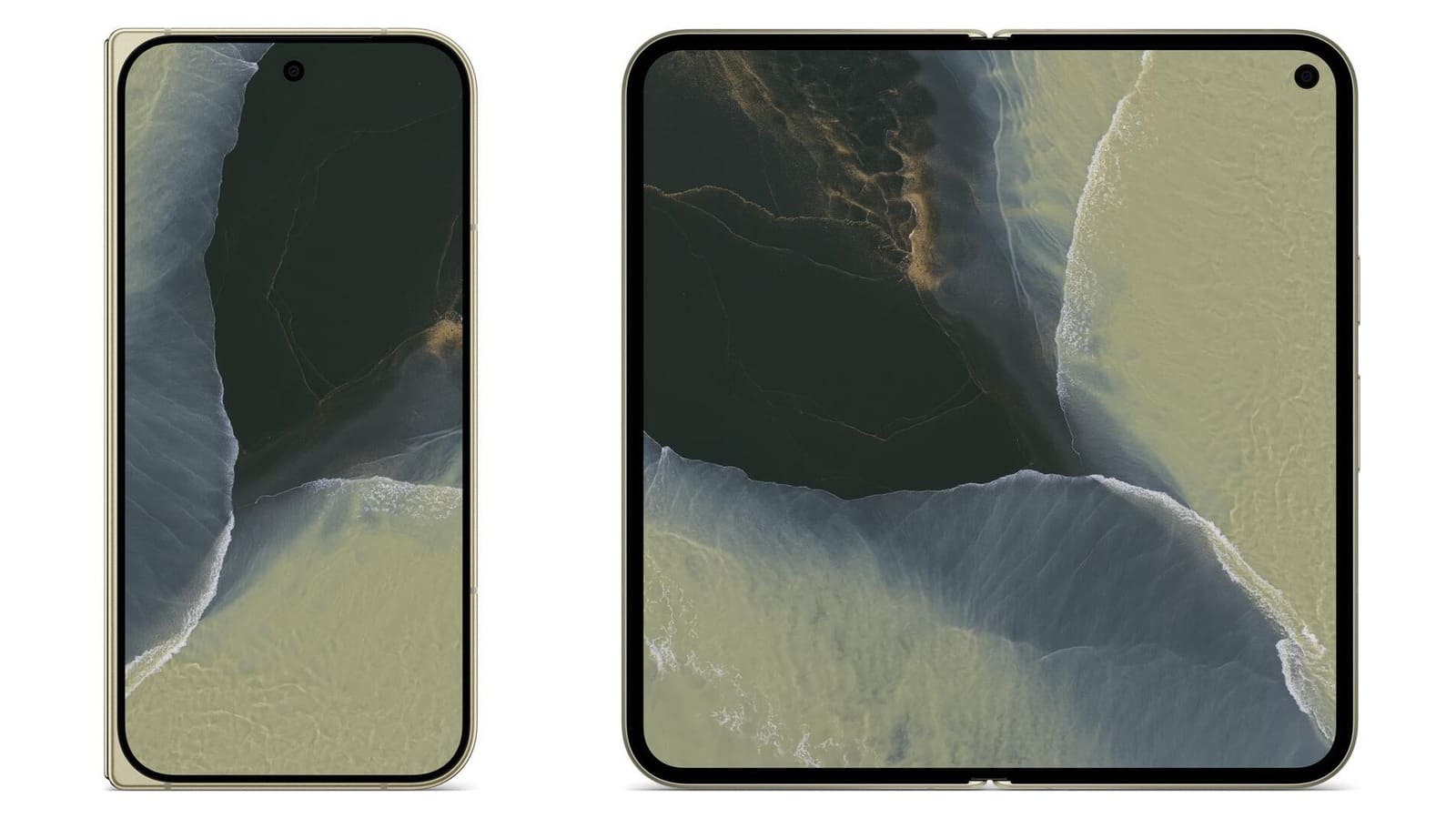
Google says the Pixel 11 Pro Fold weighs nearly 10 percent less than its predecessor and measures 1mm thinner when closed. The closed footprint is 10.1mm thick, splitting to 5mm per half when accounting for the hinge mechanism. Unfolded, the device spans 5.9 inches in width; folded, it shrinks to 3 inches across and 6.1 inches tall.
The company emphasizes durability, claiming the new hinge and frame deliver "three times" the strength of the previous model. That assertion comes with a caveat buried in the press materials: the claim derives from internal testing on pre-production units, and actual results may vary. The device carries an IP68 rating for water and dust resistance, a standard feature in flagship phones but still a notable achievement for a device with moving parts and seams.
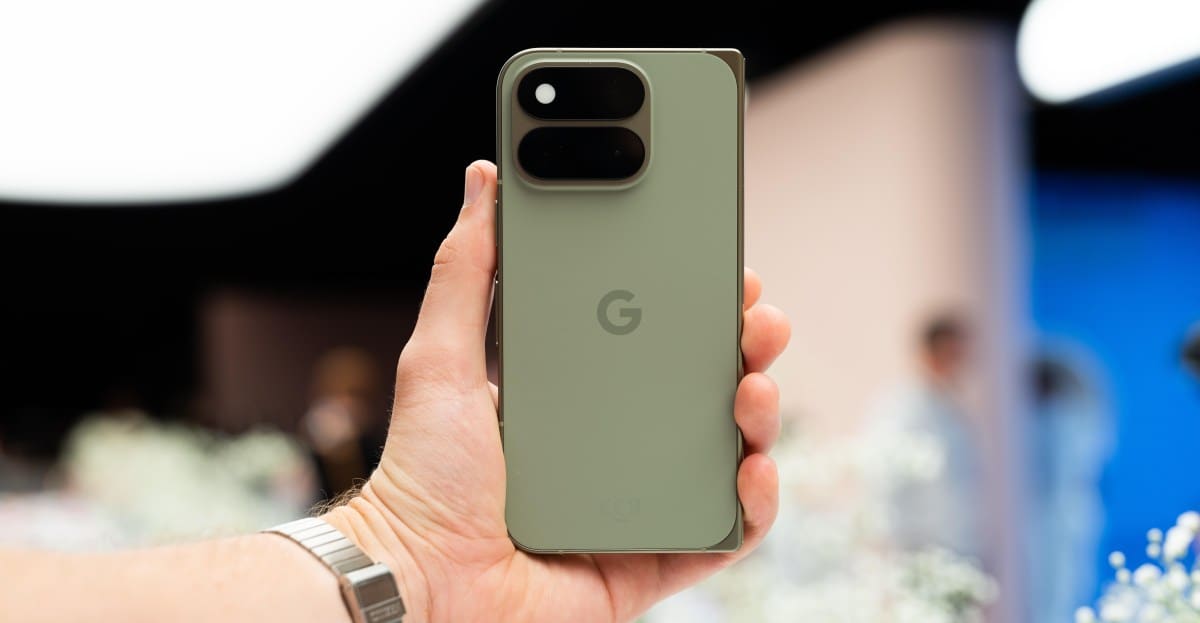
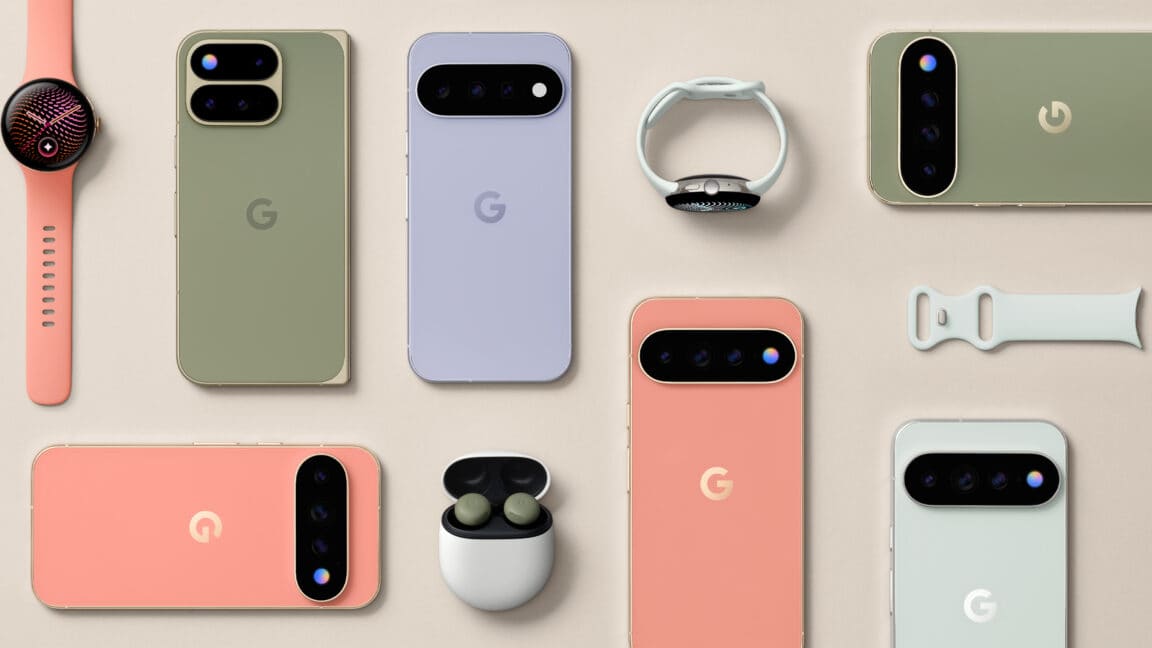
Color options remain conservative: obsidian black or olive green with a gray satin metal frame. The back panel uses a soft-touch composite material paired with scratch-resistant glass on the front.
Display and Tensor G6 Performance
The internal screen measures 8 inches diagonally, utilizing a Super Actua Flex OLED panel. For the first time, Google applies the Super Actua branding to the external 6.5-inch OLED screen as well. Both displays can reach 3,600 nits peak brightness, a 20 percent increase over the Pixel 10 Pro Fold, according to Google's figures. That brightness level matters in outdoor visibility and HDR content playback, though real-world testing will determine how much of a perceptible difference users experience.
Inside, the Tensor G6 processor powers all Pixel 11 devices. Google positions the G6 as a 20 percent improvement in power efficiency over the Tensor G5, with browsing speeds up 25 percent and app load times reduced by 15 percent. The G6 also includes a 50 percent more powerful Tensor Processing Unit and an upgraded Imaging Signal Processor, both aimed at improving on-device AI tasks and computational photography.
The Tensor G5 lagged behind Qualcomm's Snapdragon 8 Gen 3 and Apple's A17 Pro in raw performance benchmarks last year. If Google's efficiency and speed claims hold, the G6 may close some of that gap - though it's unlikely to leapfrog either competitor outright. The real test will be sustained workloads and thermal management, areas where previous Tensor chips have struggled.
Camera Hardware: Incremental Sensor Upgrade
The Pixel 11 Pro Fold features a triple-lens camera system housed in a dual-pill module: a 48-megapixel main wide lens, a 10.5-megapixel ultrawide with macro focus, and a 10.8-megapixel 5x telephoto lens capable of 30x digital zoom.
The megapixel counts are familiar, but Google upgraded the main sensor to a 1/1.56-inch size, increasing individual pixel area and allowing the camera to capture 56 percent more light compared to the previous model. That change should improve low-light photography without relying on the flash, a perennial weakness in foldable devices where thickness constraints limit sensor size.
The ultrawide and telephoto lenses remain unchanged from the Pixel 10 Pro Fold. The device supports 4K video recording at 24, 30, or 60 frames per second, with stabilization, timelapse, and night sight modes available. The front-facing camera is a 10-megapixel unit, as is the internal camera for video calls. Both can record 4K video at 30 or 60 fps.
One carryover feature: when the phone is unfolded, the external screen can display animations to capture a subject's attention during photo sessions, useful for photographing children or pets. The screen can also show a live preview so everyone in the frame can adjust their position.
Battery Life and Magnetic Charging
Google claims the Pixel 11 Pro Fold will last more than 24 hours on a single charge under typical use. The device supports 30W wired fast charging, which can bring the battery to 50 percent in 30 minutes. Wireless charging has been upgraded to 25W via Pixelsnap magnetic charging using the Qi2.2 standard, up from 15W on the previous model.
The Adaptive Battery feature tracks app usage patterns and reduces power allocation to rarely used apps, a software-level attempt to extend battery lifespan over the device's usable life. The Pro Fold includes 16GB of RAM and offers three storage tiers: 256GB at the $1,900 base price, 512GB, and 1TB at higher price points. The 512GB and 1TB models use zoned UFS storage, which organizes data to improve read/write speeds and, in theory, prolong storage endurance.
Gemini AI Integration and HiLight Notifications
Google has embedded its Gemini AI assistant deeply into the Pixel 11 lineup. A new feature called HiLight uses an array of ambient LEDs positioned around the camera flash to provide visual notifications when the phone is face-down. In "Flip to Shhh" mode, the LEDs glow with custom colors to indicate incoming calls from favorite contacts. The array also pulses when Gemini is processing a voice command, eliminating the need to check the screen for confirmation.
Gemini Intelligence powers several new capabilities. Voice-to-text transcription now filters out filler words like "um" and "ah" to produce cleaner text. The assistant offers personalized writing suggestions for messages and can surface contextual information from apps and calendars without being prompted. For example, if a friend asks about an upcoming trip, Gemini can automatically display booking details and flight status in a glanceable card.
DeepMind's new sign-language-to-text model has been integrated into Gboard and Live Transcribe, allowing deaf and hard-of-hearing users to sign to the phone's camera instead of typing. At launch, only American Sign Language is supported, though Google plans to add more languages and expand device compatibility over time.
In the United States, Gemini can handle background tasks like ordering groceries, booking rideshares, or calling businesses on the user's behalf, with live transcripts displayed during calls. Some of these features require a Google AI subscription, which typically costs $4.99 per month. Google bundles a six-month trial of Google AI Pro with the Pixel 11 Pro Fold, which includes access to more powerful models, Google Health Premium, and 5TB of cloud storage. The subscription costs $20 monthly after the trial period ends.
Google Assistant will be fully replaced by Gemini in September, making it increasingly difficult to avoid the AI assistant on Android devices.
The Foldable Market's Narrowing Path
The $1,900 starting price underscores a broader challenge facing foldable manufacturers. Early optimism that foldables would eventually reach mainstream pricing has given way to the reality that these devices remain niche products with higher bill-of-materials costs. Samsung, Huawei, and Xiaomi have all adjusted their foldable strategies in recent quarters, with shipment volumes remaining flat or declining in most markets outside China.
Google's incremental hardware improvements - thinner profile, brighter screens, modestly faster processor - are the kind of refinements we expect in a maturing product category. But the price increase suggests the company sees limited opportunity to scale production and drive costs down. Instead, Google appears focused on extracting more revenue from a smaller pool of buyers willing to pay a premium for the form factor and deep AI integration.
For users invested in Google's ecosystem and interested in foldable hardware, the Pixel 11 Pro Fold offers a cohesive package with solid camera performance and extensive AI features. For everyone else, the $1,900 entry point remains a significant barrier, and the incremental nature of this year's upgrades may not justify an upgrade for existing Pixel Fold owners.
The foldable segment continues to search for a compelling reason to exist beyond novelty. Google's latest attempt doesn't answer that question - it simply refines the execution.