Google's Pixel 11 Lineup Brings Back the LED Notification Era
The search giant's 2026 hardware refresh doubles down on AI features while reviving a forgotten smartphone staple - complete with a Bluetooth tracker to challenge Apple's ecosystem.
The LED Makes a Comeback - With an AI Twist
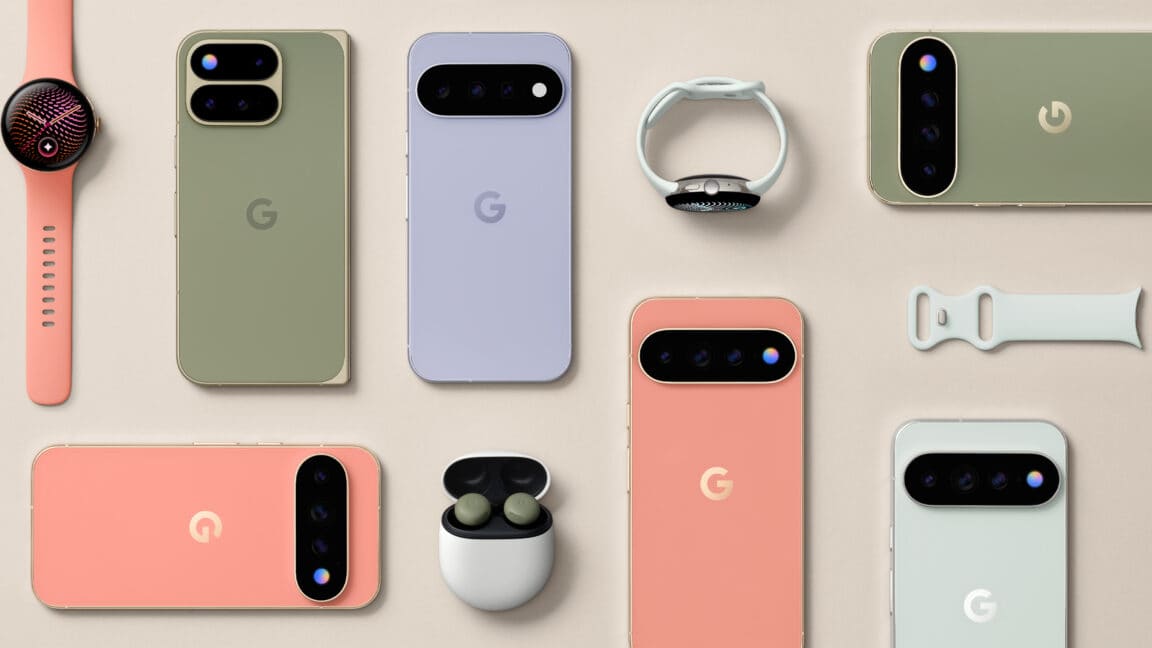
Google has opened orders for its 2026 hardware portfolio, and the flagship devices follow a predictable trajectory: iterative design refinement, deeper AI integration, and one genuinely nostalgic feature that might actually matter. The Pixel 11 series carries forward the visual language established with last year's generation, but the Pro variants now include HiLight - a ring of RGB LEDs embedded in the rear camera assembly that activates during Gemini interactions.
The feature addresses a narrow but real use case. When your phone lies face-down on a desk or table, HiLight provides ambient confirmation that the voice assistant has heard your query or is processing a response. It's a throwback to the notification LED era that Android flagships abandoned half a decade ago, repackaged for an age when conversational AI demands constant reassurance that the machine is listening.
At DailyTechWire, we've tracked the slow erosion of physical feedback mechanisms in smartphone design - vibration motors grew quieter, notification LEDs vanished, even the headphone jack became a relic. HiLight won't reverse that trend, but it suggests Google sees value in non-visual cues as AI assistants move from novelty to utility.
Design Continuity Over Disruption
The Pixel 11 series adheres to the design language introduced with the Pixel 9: flat edges, a prominent camera bar, and material choices that prioritize durability over flashiness. Google is betting that users who adopted the prior generation will appreciate evolutionary refinement rather than radical reinvention.
This strategy mirrors what Apple has done with the iPhone since 2017 - establish a recognizable form factor, then iterate on internals and feature depth. For Google, which has struggled to build the same brand consistency in hardware as it enjoys in software, the approach makes sense. The challenge is whether incremental upgrades can sustain upgrade cycles in a market where replacement intervals now stretch beyond three years.
The base Pixel 11 does not receive the HiLight feature, a segmentation decision that reinforces Google's push to differentiate Pro models beyond camera sensor size and RAM allocation. It's a minor exclusion, but one that will likely frustrate users who prefer smaller devices without sacrificing novelty features.
Pixel Watch 5 and the Wearables Plateau
The Pixel Watch 5 follows a similar script: modest hardware improvements, software refinements, and no dramatic shift in form or function. Google has yet to articulate a compelling reason for existing Pixel Watch owners to upgrade annually, and the fifth generation does little to change that calculus.
Wearables have entered a maturity phase. Incremental gains in battery life, sensor accuracy, and display brightness no longer generate the excitement they did when the category was nascent. Google's challenge is the same one facing Apple and Samsung - how do you sell a new smartwatch when the two-year-old model still performs admirably?
The answer, increasingly, is ecosystem lock-in. The Pixel Watch 5 integrates more tightly with Fitbit's health platform and Gemini's contextual features, which means its value proposition grows stronger the deeper you are in Google's hardware and software stack. That's a defensible strategy in mature markets, but it also limits appeal to switchers or first-time buyers.
Pixel Tag Enters the Tracker Wars
Google's first-party Bluetooth tracker, the Pixel Tag, marks an overdue entry into a category Apple has dominated since 2021. The device leverages Google's Find My Device network, which has expanded significantly over the past two years but still trails Apple's AirTag ecosystem in density and reliability.
The Pixel Tag's success will depend on two factors: network scale and cross-platform compatibility. If Google restricts full functionality to Pixel devices, the tracker becomes a niche accessory for a user base that already represents a fraction of the global Android market. If it works seamlessly across Android manufacturers, the Pixel Tag could become a de facto standard - but that requires cooperation from Samsung, Xiaomi, and others who may prefer their own tracker solutions.
Apple's advantage isn't just the billion-plus iPhones pinging AirTags; it's the cultural expectation that lost items can be found. Google needs to close that perception gap, and hardware alone won't do it.
The AI Integration Tax
Every product in Google's 2026 lineup leans heavily on Gemini integration. The HiLight LED exists to signal AI activity. The Pixel Watch 5 surfaces contextual suggestions based on location and calendar data. The Pixel Tag presumably ties into smart home routines and location-based automations.
This creates a design philosophy where hardware increasingly serves as an interface layer for cloud-based intelligence. That's fine when the AI works - when Gemini correctly interprets a voice command or predicts a useful action. When it fails, the hardware feels underutilized, like a high-end remote control for a buggy service.
The risk for Google is that users begin to associate hardware quality with software reliability. A glitchy voice assistant doesn't just reflect poorly on Gemini; it undermines confidence in the Pixel 11 as a dependable device. That's a problem Apple has largely avoided by keeping Siri's ambitions modest and its hardware features less dependent on cloud intelligence.
The Upgrade Question
Google's 2026 hardware strategy is competent, predictable, and unlikely to move the needle on market share. The Pixel 11 series will appeal to existing Pixel users and Android enthusiasts who prioritize software updates and camera performance. The Pixel Watch 5 will serve the same niche. The Pixel Tag will struggle unless Google can demonstrate network effects that rival Apple's.
None of this is a criticism of the products themselves - iterative refinement is a valid strategy in mature categories. But it does raise the question of what Google's hardware division is trying to accomplish. If the goal is to showcase Android and Gemini at their best, mission accomplished. If the goal is to challenge Apple and Samsung for mainstream dominance, these products won't get there.
The LED notification ring is a clever touch, and it might even become a signature feature if Google commits to it long-term. But nostalgia alone won't drive adoption, and AI integration is table stakes in 2026. What's missing is a reason for non-Pixel users to switch, and another year of incremental updates won't provide it.