Google Raises Prices Across Pixel 11 Lineup as Hardware Costs Climb
The company's latest flagship phones start at $899, while a new tracking tag and health-focused Watch 5 round out an AI-heavy product refresh
Hardware Gets Pricier
Google introduced its 2026 hardware lineup at Wednesday's Made by Google event, and the most immediate change customers will notice is cost. The standard Pixel 11 now starts at $899, a hundred dollars more than its predecessor, while the Pro model climbs to $1,099 from $999. The company attributes the increase partly to ongoing RAM supply constraints and partly to its decision to eliminate the 128GB entry tier. Every Pixel 11 now ships with 256GB of base storage, double what buyers received at the old price point.
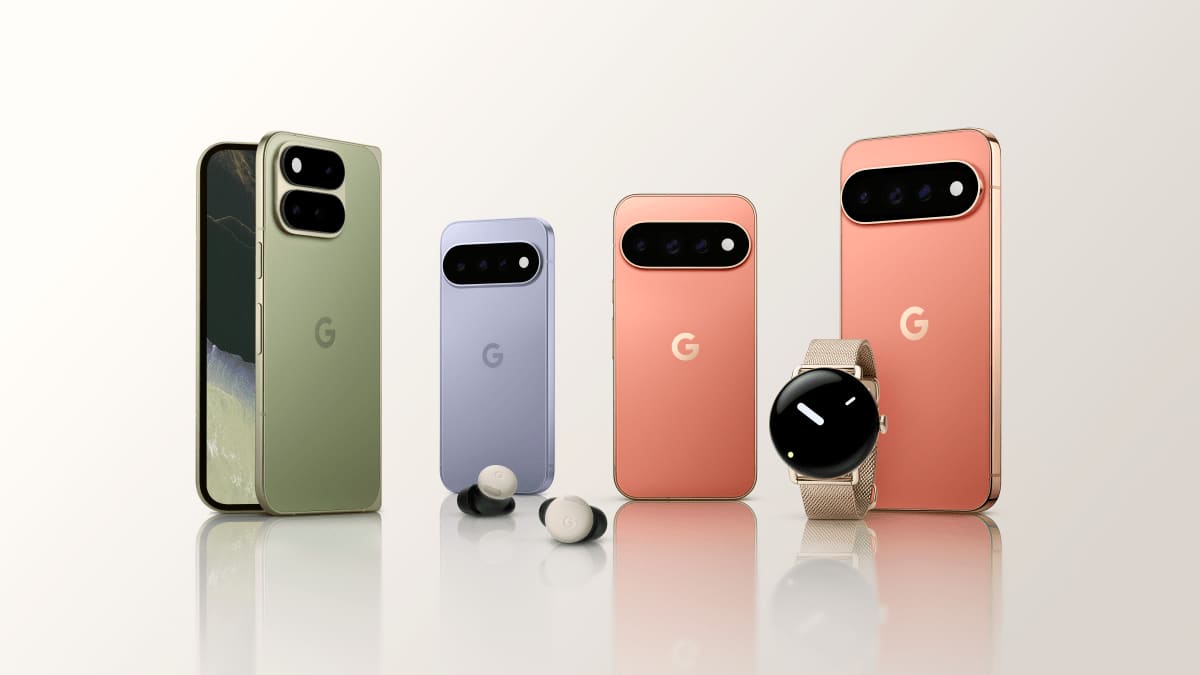
The standard model arrives in Frost, Hibiscus, Pistachio, and Obsidian finishes. Its most visible redesign is a camera bar that Google says is more than 40 percent thinner than the previous generation. The new housing uses an all-glass surface that spans the phone's width, a departure from the chunky visor that defined earlier Pixels.
Pro Models Emphasize Durability
Google positioned the Pixel 11 Pro and Pro XL around toughness. The company claims its new anti-scratch display coating delivers more than twice the scratch resistance of last year's Pro models, and that drop protection has improved as well. The Pro lineup comes in Canyon, Fog, Olive, and Obsidian, with the latter now sporting an all-matte finish instead of the glossy-matte mix seen previously.
At DailyTechWire, we've tracked how smartphone makers have struggled to differentiate hardware as performance gains plateau. Google's pivot toward durability and material science suggests the company believes customers will pay a premium for phones that survive daily wear. Whether that thesis holds depends on how visible the scratch resistance proves in real-world use; Gorilla Glass claims have often outpaced user perception.
The Pro Fold, meanwhile, sheds nearly ten percent of its weight and becomes almost a millimeter thinner. Google says a glass-fiber composite back cover resists cracking better than the previous aluminum design, and a redesigned hinge adds protection for the inner screen. The company claims the Fold is three times more durable than the Pixel 10 Pro Fold, which launched with IP68 water and dust resistance. The new foldable retains that rating and adds a 48-megapixel main camera with 30x Super Zoom. It ships in Olive and Obsidian.
Pixel Tag Enters Crowded Tracking Market
Google finally unveiled its answer to Apple's AirTag. Called Pixel Tag, the device costs $29 individually or $99 for a four-pack. It hooks into Android's Find Hub network, letting users track items through the Find Hub app. Pixel Watch owners can locate a tag from their wrist, and Pixel Buds users can ask Gemini to ring a tag by voice.
The move puts Google in direct competition with Tile, Samsung's SmartTag, and Apple's dominant Find My ecosystem. Android's Find Hub network has grown substantially since Google consolidated third-party tracking into a unified platform last year, but it still lags Apple's installed base. The real test will be whether enough Android users adopt Pixel Tag to make the network reliable for finding lost items in public spaces. Tile struggled with this exact challenge before partnering with Life360 to expand its network coverage.
Gemini Features Push Accessibility
Google devoted significant stage time to Gemini integrations. The most notable accessibility update extends Live Transcribe to support American Sign Language. Using the Pixel Camera, the feature translates sign language into text in real time, offering an alternative to typed communication for deaf and hard-of-hearing users.
The company also introduced Rambler, a voice-input mode designed to parse unstructured speech. Instead of requiring carefully worded commands, Rambler handles run-on sentences, filler words, and informal phrasing while extracting user intent. Google framed the feature as a step toward more natural voice interaction, though the company did not specify which Gemini model powers the processing or whether it runs on-device or in the cloud.
Circle to Search, Google's visual search tool, now integrates more tightly with the Pixel Camera app. Users can identify objects, translate text, or ask questions about their surroundings without leaving the camera interface. The feature already existed on previous Pixels but required an extra gesture to activate; the new implementation makes it a persistent option within the camera viewfinder.
Health Tracking Comes to Watch 5
The Pixel Watch 5 introduces monthly health summaries for blood pressure trends and insulin resistance. Google did not detail the sensors or algorithms behind the insulin resistance tracking, a metric that typically requires lab tests or continuous glucose monitors to measure accurately. The company's Health app will surface patterns over time, though it remains unclear how the watch derives insulin resistance estimates from wrist-based sensor data.
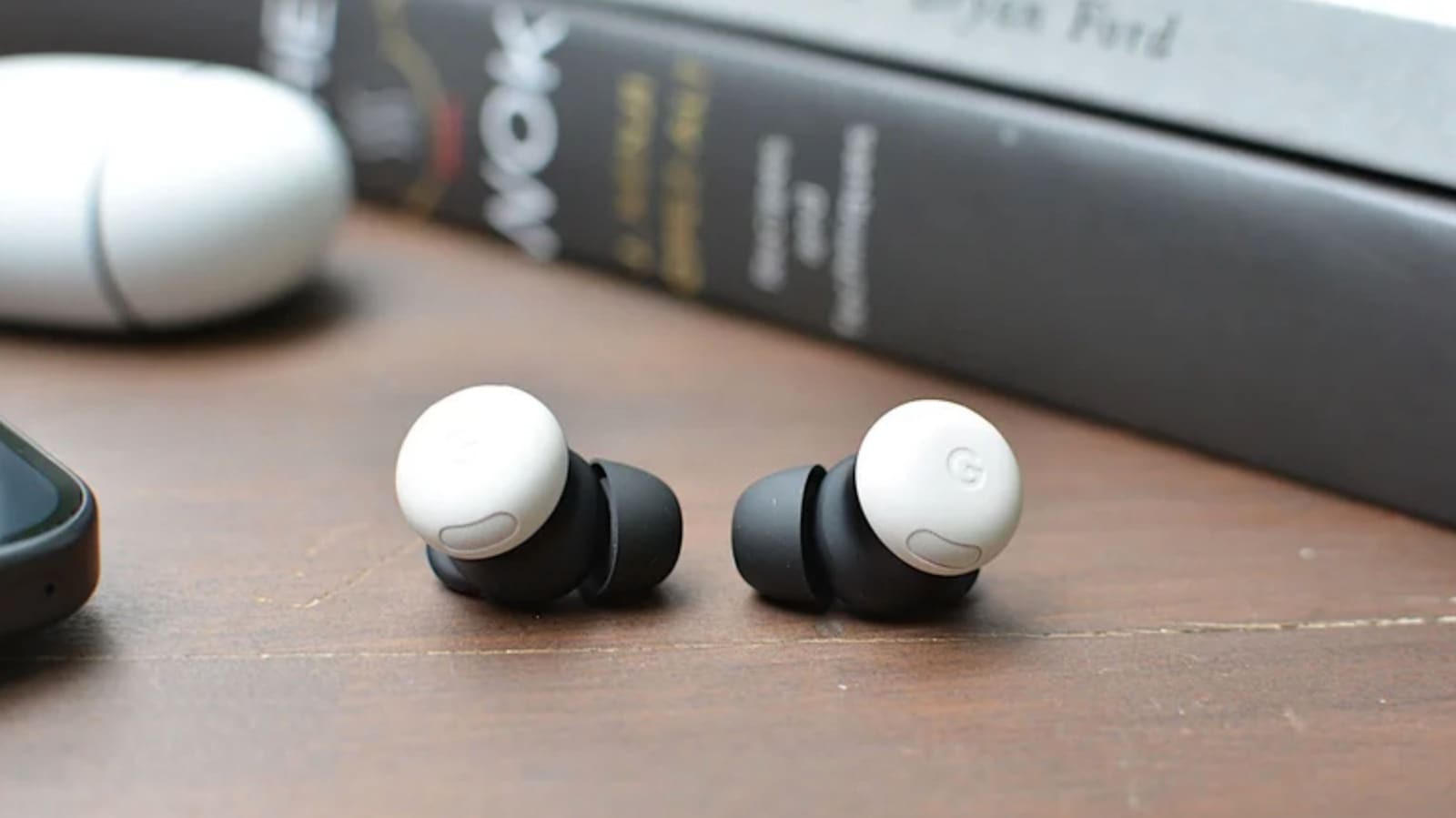
The 41mm Watch 5 starts at $399, while the 45mm version begins at $429. Google is also releasing a Stephen Curry edition priced at $579, featuring a design tailored for workouts. The Pixel Buds Pro, meanwhile, gains an Olive color option to match the new phone palette.
Pricing Strategy Reflects Supply Realities
The price increases across Google's Pixel 11 lineup reflect broader hardware economics. Memory and component costs have climbed as demand for AI-capable devices strains supply chains. By doubling base storage and citing RAM shortages, Google is telegraphing that the era of flat or declining smartphone prices may be ending.
For Google, the challenge is convincing buyers that thinner camera bars, scratch-resistant glass, and Gemini features justify a steeper entry price. Apple has successfully pushed iPhone pricing upward by tying hardware improvements to ecosystem lock-in and multi-year software support. Google has matched Apple's update commitments but lacks the same installed base and accessory ecosystem. The Pixel Tag and tighter Gemini integration are steps toward building that stickiness, but the company is still playing catch-up in premium hardware sales outside its core U.S. and Western European markets.
The foldable's durability gains are particularly important. Early foldables suffered from fragility and short lifespans, making the devices hard to justify at flagship prices. If Google's three-times-more-durable claim holds, the Pixel 11 Pro Fold could help normalize foldables as everyday phones rather than delicate experiments. But that assumes buyers trust Google's longevity claims after the company discontinued several hardware lines, including the original Pixelbook and Stadia controller, with little warning.
What This Signals for Android Hardware
Google's Made by Google event underscores a strategic shift. The company is no longer content to offer reference designs that Samsung or OnePlus can undercut on price. By raising prices, emphasizing durability, and tying hardware to Gemini features that run best on Pixel devices, Google is positioning its phones as premium products with differentiated software. The Pixel Tag and Watch 5 extend that strategy into accessories, creating more touchpoints for users to stay within Google's hardware ecosystem.
The risk is that Google's brand lacks the premium cachet that lets Apple command four-digit price tags without justification. Android users have long prized choice and value; asking them to pay more for a Pixel than a comparable Samsung or Xiaomi device requires delivering features those competitors cannot match. Gemini integration is one lever, but Samsung ships its own AI tools and has deeper carrier relationships. Google's advantage lies in controlling the Android platform and offering faster updates, yet that has not historically translated into dominant market share.
The Pixel 11 lineup will ship later this month. Whether buyers accept the higher prices will depend on how well Google's durability and AI promises hold up in daily use, and whether the company can sustain hardware momentum beyond its traditional early-adopter base.