Google Skips New Pixel Buds Hardware, Banks on Software to Keep Two-Year-Old Earbuds Relevant
Dynamic ANC and Gemini voice controls arrive this fall for Pixel Buds Pro 2 and 2a, as the company's Made by Google event reveals no successor to aging audio hardware
The Hardware That Didn't Launch
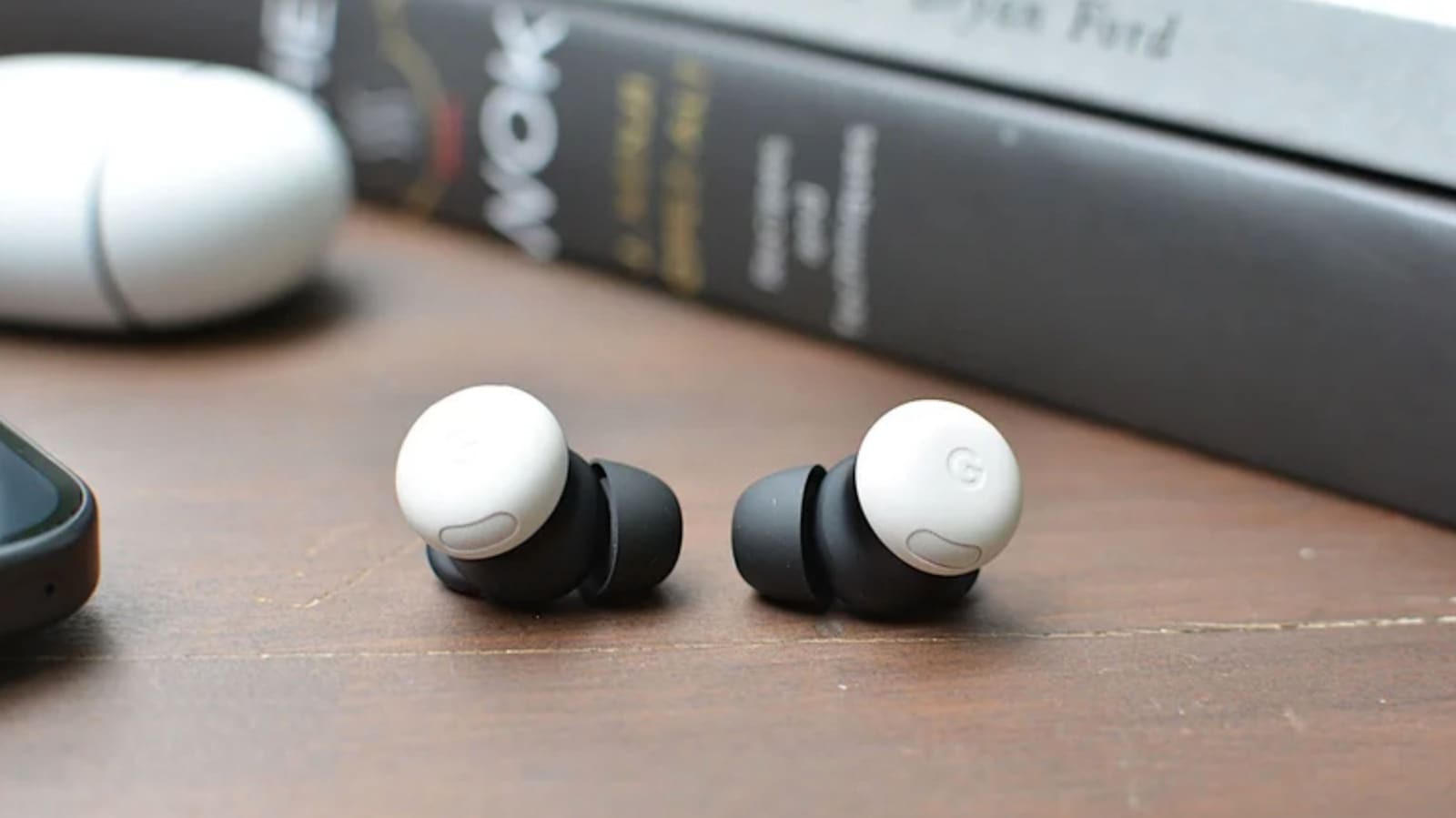
At its August Made by Google showcase, the company rolled out a predictable parade of smartphones, foldable displays, wearables, and Bluetooth trackers. Conspicuously absent from the stage: any refresh to its audio lineup. The Pixel Buds Pro 2, now entering their third year on the market, remain Google's flagship earbuds. The budget-oriented Pixel Buds 2a, launched nearly twelve months ago, still hold the entry-level slot. For a company that iterates annually on nearly every other product category, the decision to skip another earbud generation signals either confidence in the existing hardware or a bet that software can extend the product cycle.
Google appears to be wagering on the latter. Rather than introduce new industrial design or driver architecture, the company announced a suite of software features arriving in September that aim to keep both models competitive in a crowded true-wireless market. The updates lean heavily on machine learning and tighter integration with Google's Gemini assistant, an approach that mirrors broader industry trends toward computational audio rather than purely acoustic innovation.
Adaptive Noise Cancellation Arrives
The headline feature for Pixel Buds Pro 2 is dynamic active noise cancellation, a system designed to compensate for micro-shifts in earbud seal throughout the day. Anyone who wears in-ear monitors knows the problem: a slight head tilt, jaw movement, or temperature change can break the acoustic seal, compromising both sound quality and ANC effectiveness. Traditional implementations measure ambient noise at fixed intervals; Google's new approach continuously monitors seal integrity and adjusts cancellation parameters in real time.
The technical challenge lies in distinguishing between intentional user action, like removing an earbud to hear a conversation, and unintentional seal degradation. Google has not disclosed the sensor array or algorithmic approach underpinning the feature, but the company's history with adaptive audio on Pixel phones suggests a combination of accelerometer data, pressure sensing, and on-device machine learning models trained to recognize seal patterns.
Dynamic ANC is not entirely novel. Premium models from Sony and Apple already deploy similar adaptive systems, though implementation details vary. What matters for Google is feature parity at a lower price point. The Pixel Buds Pro 2 retail significantly below competing flagships, and closing the gap on noise cancellation could help justify their continued presence in the lineup without a hardware refresh.
Gemini Takes the Wheel
Both the Pro 2 and 2a models are gaining deeper Gemini integration, allowing voice commands to adjust volume and equalization settings without touching a phone or the earbuds themselves. The feature builds on Google's existing conversational AI stack but extends control surfaces into audio playback parameters that have traditionally required manual input.
In practice, users will be able to issue commands like "boost the bass" or "lower the volume by half" and have Gemini parse intent, translate it into device instructions, and execute the change. The system relies on natural language processing models running partly on-device and partly in the cloud, depending on complexity. Latency will be the critical metric. If response time exceeds two seconds, the feature risks feeling slower than simply tapping a volume rocker.
The broader implication is that Google views its assistant as a differentiator in commodity hardware categories. As earbud components commoditize and acoustic performance converges across brands, the user experience increasingly hinges on software intelligence. Gemini's presence in earbuds, watches, and phones creates an ecosystem lock-in effect that hardware specs alone cannot deliver.
Watch Integration and Sleep Detection
A new cross-device feature ties Pixel Buds to the Pixel Watch ecosystem. When the watch detects that a user has fallen asleep based on heart rate variability, movement patterns, and other biometric signals, it automatically pauses audio playback on paired earbuds and disables incoming notifications. The feature addresses a niche but real use case: users who fall asleep while listening to podcasts or ambient audio and wake hours later to drained batteries and missed messages.
The integration requires both devices to be running updated firmware and relies on Bluetooth Low Energy communication protocols to minimize power draw during sleep detection. Google has not specified whether the feature will extend to third-party earbuds paired with Pixel Watches, though the tight coupling with Pixel Buds suggests it may remain exclusive, at least initially.
From a product strategy perspective, the feature reinforces Google's push toward a unified wearable ecosystem. Apple has long leveraged seamless device handoff and contextual features across AirPods, Apple Watch, and iPhone to drive customer retention. Google's implementation arrives years later but follows the same playbook: make the experience of using multiple Google devices meaningfully better than mixing brands.
Translation Expands to 70 Languages
Google's live translation feature, previously available in a limited set of languages, now supports over 70 languages with earbud integration. Users tap the earbud to activate listening mode, speak or listen to a foreign language, and receive real-time translation through the earbuds. The feature builds on Google Translate's neural machine translation models but optimizes for low-latency, conversational use cases rather than document translation.
The expansion is significant for travelers and multilingual households, though practical performance will depend on dialect coverage, ambient noise handling, and translation accuracy for idiomatic speech. Google has not disclosed whether the feature requires an active internet connection or if any translation models run on-device. Given the computational demands of real-time neural translation, a cloud dependency seems likely, which raises questions about usability in areas with poor connectivity.
The feature positions Pixel Buds as utility devices beyond music playback, a strategic shift as the market for premium audio saturates. If translation quality proves reliable, it could become a compelling reason to choose Pixel Buds over acoustically superior competitors that lack the feature.
A New Color, Not a New Product
The only hardware announcement was a new olive-green color option for Pixel Buds Pro 2, now available for preorder. The addition is cosmetic and signals that Google remains committed to the existing design language rather than pursuing a third-generation refresh in the near term.
The move aligns with broader industry trends. Smartphone and earbud replacement cycles have lengthened as performance improvements plateau and consumers prioritize sustainability over annual upgrades. By extending the Pro 2 lifecycle with software updates and colorway expansions, Google can amortize tooling costs and reduce inventory risk while still offering perceived novelty to late adopters.
What the Silence Says
The absence of new earbud hardware at a major product event invites speculation. One possibility is that Google is satisfied with current sales and market positioning, seeing no immediate need to invest in a costly redesign. Another is that the company is working on a more significant leap, perhaps integrating health sensors, spatial audio, or advanced biometric features, and prefers to wait until those capabilities are ready rather than iterating incrementally.
A third, less optimistic reading is that Google's audio division lacks the resources or strategic priority to compete aggressively in a market dominated by Apple, Sony, and Samsung. The Pixel Buds line has never captured significant market share outside the Google enthusiast base, and the company may be content to maintain a presence without heavy investment.
Whatever the reason, the reliance on software updates to sustain aging hardware reflects a calculated risk. If competitors launch compelling new models this fall with meaningfully better sound quality, battery life, or features, Google's two-year-old earbuds may struggle to hold attention, no matter how smart the software becomes. The updates arriving in September will test whether computational innovation can truly substitute for new silicon.