Google Bets Big on Device Ecosystem With Four Pixel 11 Models and First-Party Tracker
The company's newest hardware push includes revamped phones with controversial RAM cuts, a sign language translation feature, and long-awaited competition for Apple's AirTag.
Hardware Expansion Meets Strategic Tradeoffs
Google shipped its 2026 flagship lineup with a clear signal: the company is serious about building a cohesive hardware ecosystem, even if that means making uncomfortable choices on pricing and memory. The Pixel 11 family now spans four devices, each carrying a $100 premium over last year's models. Base storage doubled to 256GB on the standard Pixel 11 and 11 Pro, but those Pro models now ship with 12GB of RAM as standard, a step down from the 16GB floor set in previous generations.
The new devices all run on Google's Tensor G6 chip, which the company positions as a meaningful leap in efficiency and AI processing. According to Google, the G6 delivers 20 percent better power efficiency, 25 percent faster web browsing, and 15 percent quicker app launches compared to the Tensor G5. The on-device Gemini Nano model reportedly runs with reduced latency, enabling features like real-time translation and a new sign language transcription capability.
At DailyTechWire, we've tracked Google's chip strategy closely over the past three generations. The Tensor line has consistently prioritized machine learning workloads over raw benchmark performance, a bet that makes sense only if the software features justify the compromise. This year's lineup will test whether users accept higher prices and memory cuts in exchange for AI-driven conveniences.
Camera Hardware Gets Subtle Refinements
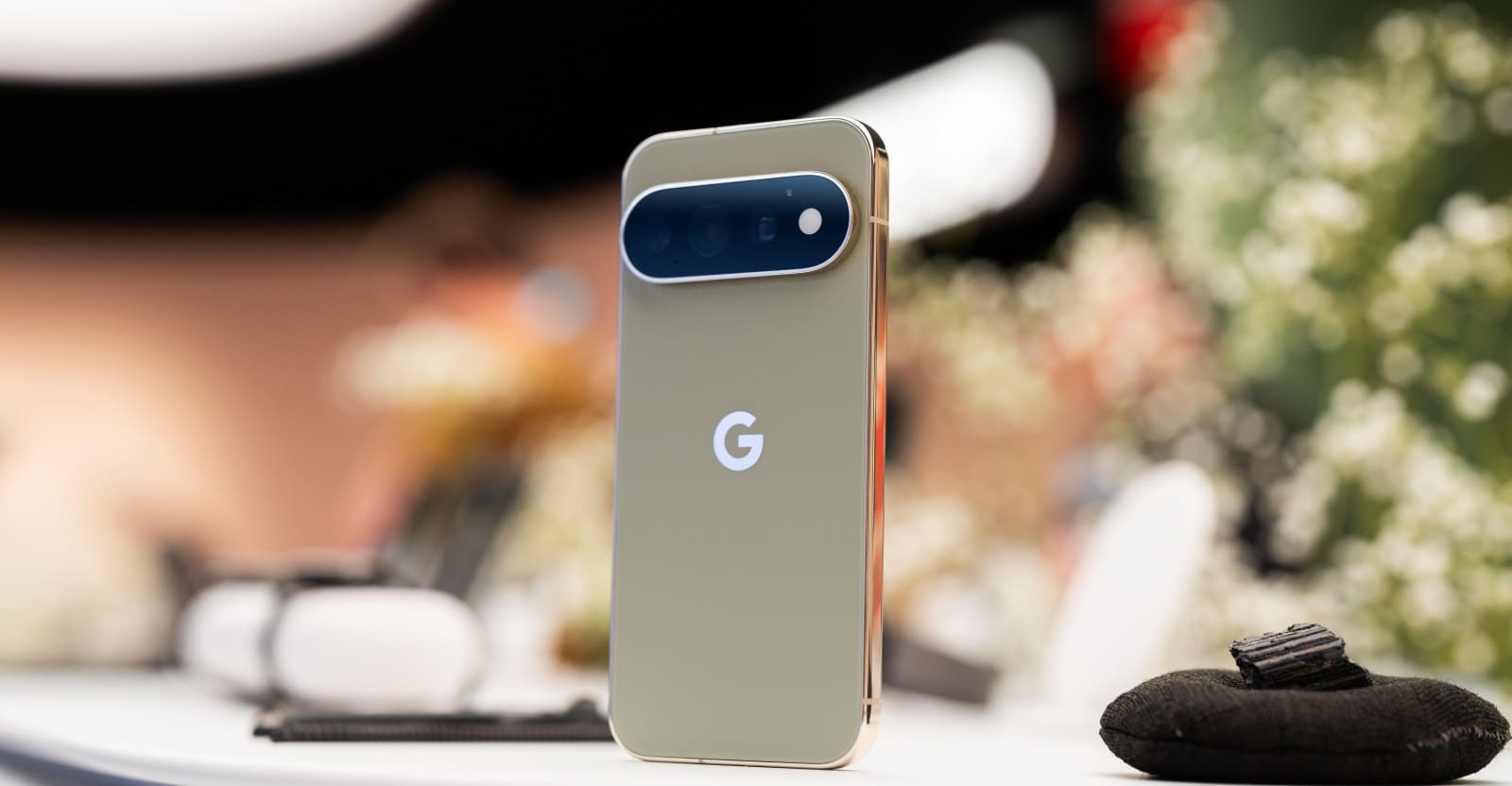
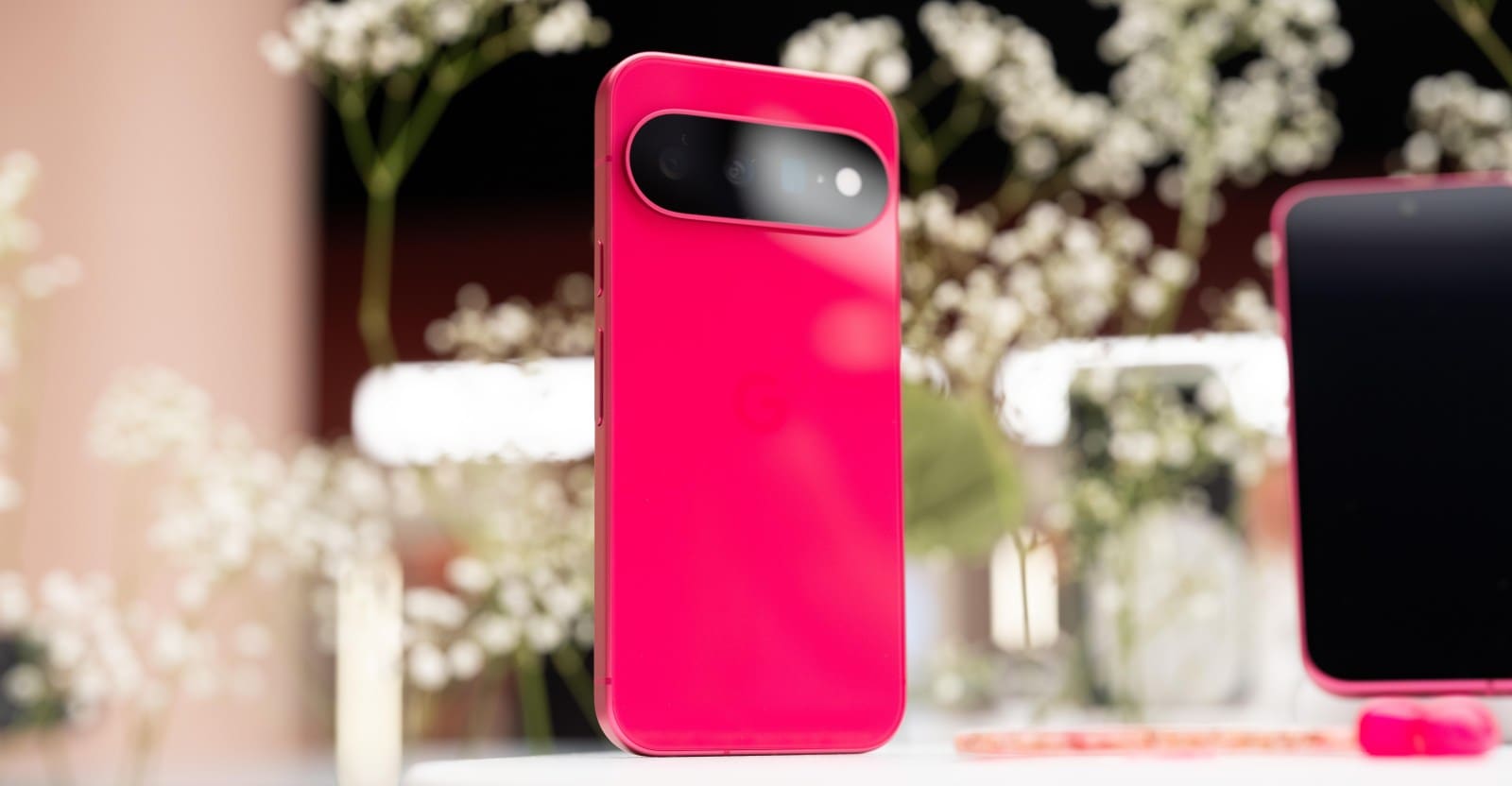
The most visible change across all Pixel 11 models is the redesigned camera bar, now featuring edge-to-edge glass framed in metal. The standard Pixel 11 retains a three-lens setup: a 48MP main sensor with a wider 85-degree field of view and larger 1/1.56-inch image sensor, a 13MP ultrawide, and a 10.8MP telephoto. Super Zoom capability extends to 30x, up from 20x.
Pro models push digital zoom further, reaching 120x with what Google calls Pro Zoom. The company attributes this to a more powerful Image Signal Processor and Tensor Processor Units that are 50 percent faster than the G5 generation. A new Instant Night Sight mode promises low-light captures up to 4.5 times faster than before.
The Pro and Pro Fold models also introduce HiLight, a circular LED array surrounding the flash. The feature serves two purposes at launch: indicating when Gemini is actively listening or processing, and lighting up when a favorite contact calls, including through WhatsApp. It's a modest addition, and the Gemini use case feels more like branding than utility. Still, any mechanism that filters notification noise while surfacing priority calls has practical value in an era of relentless alerts.
Foldable Gets Lighter, Loses Battery Capacity
The Pixel 11 Pro Fold sheds 0.7 ounces compared to its predecessor, dropping to 8.4 ounces. That weight reduction comes alongside a smaller battery: 4,750mAh versus 5,015mAh in the Pixel 10 Pro Fold. Google claims the device will still last 24 hours on a charge, leaning on Adaptive Battery technology that adjusts power draw per app based on usage patterns.
The external display grew slightly to 6.5 inches, shifting the aspect ratio from 20:9 to 19.5:9. Refresh rate range expanded on the outer screen to 1-120Hz, broader than the 60-120Hz span on last year's model. Both displays now hit 3,600 nits peak brightness, up from 3,000 nits. The internal screen's contrast ratio dropped to 1,500,000:1 from 2,000,000:1, a change Google hasn't publicly explained.
The Pro Fold starts at $1,899, with 512GB and 1TB storage options available. It's the most expensive device in the lineup, and the battery tradeoff raises questions about whether the weight savings justify reduced longevity for power users who rely on the larger screen throughout the day.
Software Features Lean Into Multimodal AI
Google is betting heavily on Gemini Intelligence to differentiate the Pixel 11 lineup. The AI agent can handle tasks like ordering groceries, booking rides, and placing calls to businesses on behalf of the user. During calls, a live transcript appears on-screen, and users can jump into the conversation at any point. This agent launches first in the United States.
In eight markets including the US, UK, Canada, Australia, Japan, Malaysia, Singapore, and India, Gemini Intelligence will pull context from apps the user grants permission to access. It might scan a class syllabus in Gmail and queue up textbooks in a shopping cart, or surface calendar availability when a friend texts about plans.
A voice-to-text feature called Rambler strips filler words in real time as users dictate messages. Live Translate now works on voice messages, videos, and podcasts. Circle to Search extends into the Camera viewfinder, letting users query objects before snapping a photo.
Magic Capture is Google's attempt to reduce friction in photo and video capture. One tap triggers simultaneous video and photo recording, with automatic cropping and deblurring applied afterward. The pitch is that users can focus on the moment rather than framing shots, though the feature's real-world accuracy will depend on how well the algorithms handle fast motion and poor lighting.
Sign Language Translation Could Shift Accessibility Norms
The most consequential software addition may be sign language translation, which converts American Sign Language into text in real time using a Google DeepMind model. The feature integrates into Gboard and Live Transcribe, allowing deaf and hard-of-hearing users to communicate without typing.
If the system performs reliably across diverse signing styles and environments, it could meaningfully reduce communication friction in contexts where typing is slow or impractical. Google plans to expand language and device support beyond the Pixel 11 launch, but initial availability is limited to English transcriptions of ASL.
Accessibility features often start as niche additions and become mainstream conveniences, benefiting users far beyond the original target audience. Voice dictation, captions, and screen readers all followed that path. Sign language translation has the potential to do the same, provided Google commits to refining the model and expanding coverage.
Pricing and Positioning in a Tightening Market
Every Pixel 11 device costs $100 more than its Pixel 10 equivalent. The standard model starts at $899, the Pro at $1,099, the Pro XL at $1,299, and the Pro Fold at $1,899. Google offsets the increase slightly by doubling base storage to 256GB on the Pixel 11 and 11 Pro, but the RAM reduction on Pro models to 12GB feels like a step backward, especially when users must pay extra to restore the previous 16GB baseline.
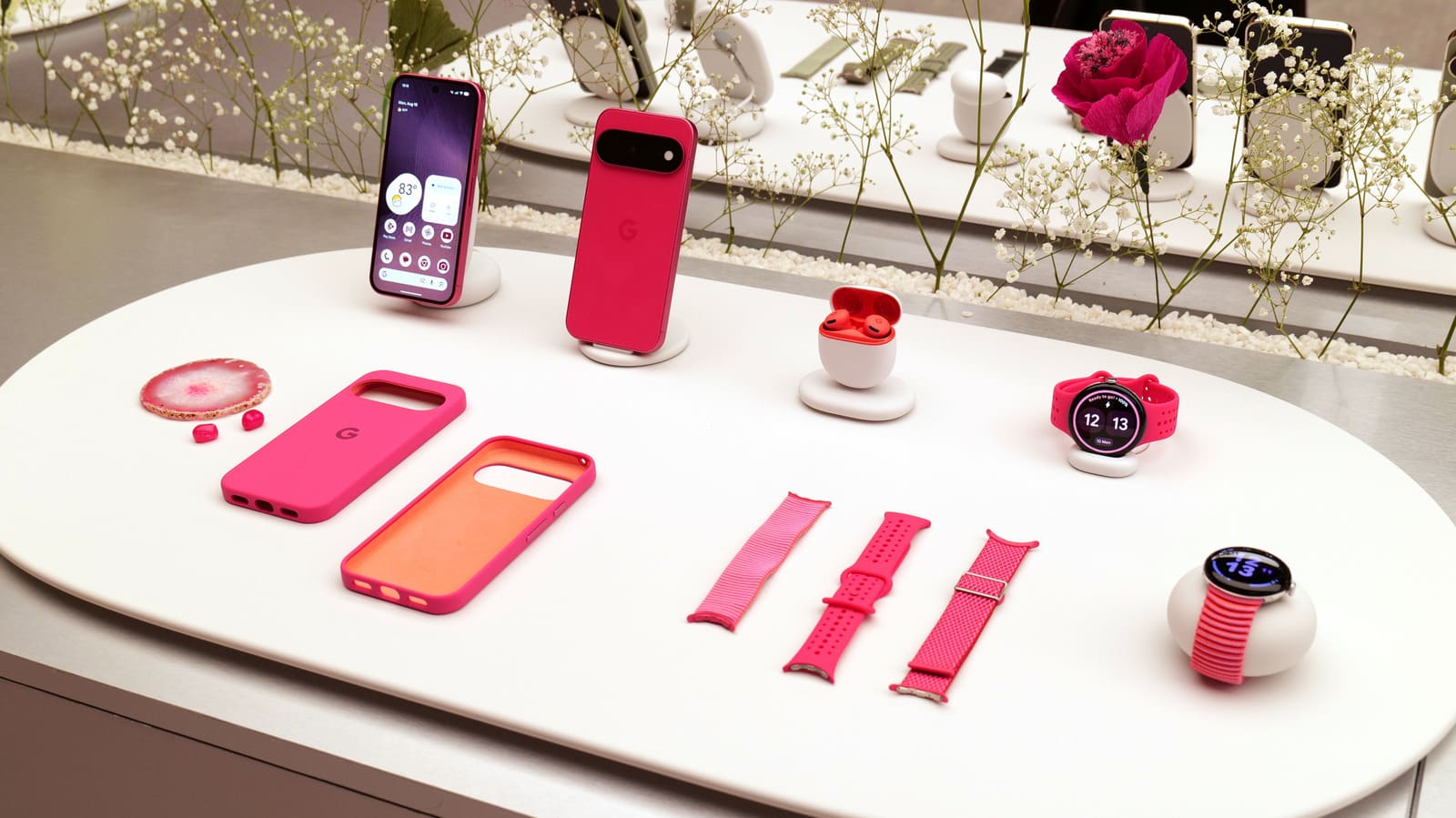
Pre-orders open immediately, with shipments starting August 20. Google also introduced the Pixel Tag, its first Bluetooth tracker, and the Pixel Watch 5, rounding out an ecosystem play that mirrors Apple's strategy of tightly integrated hardware and services.
The Pixel 11 lineup faces stiff competition from Samsung's recent Galaxy releases and Apple's iPhone refresh expected in September. Google's advantage lies in its AI software and computational photography, but those strengths matter only if users see tangible benefits that justify premium pricing in a market increasingly sensitive to value. The RAM cuts and battery tradeoffs suggest Google is navigating component cost pressures, but whether those compromises erode the Pro models' appeal will become clear once reviews and sales data arrive.