Google Prices the Pixel 11 Series Higher as Camera and Tensor G6 Upgrades Arrive
Mountain View's latest flagship lineup brings four models, enhanced photography tools, and a faster chip - but the upgrade calculus now includes steeper pricing
A Four-Device Bet
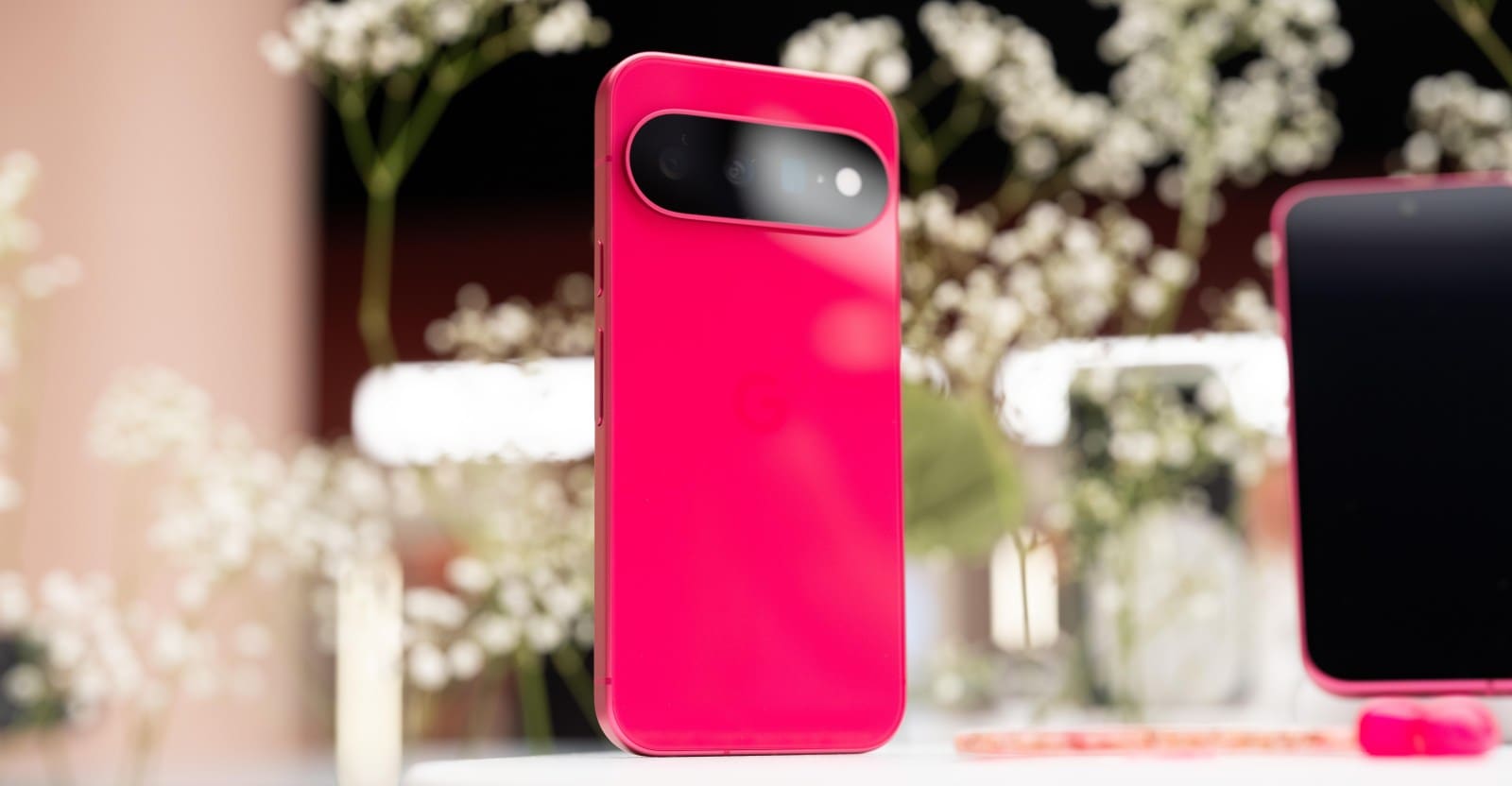
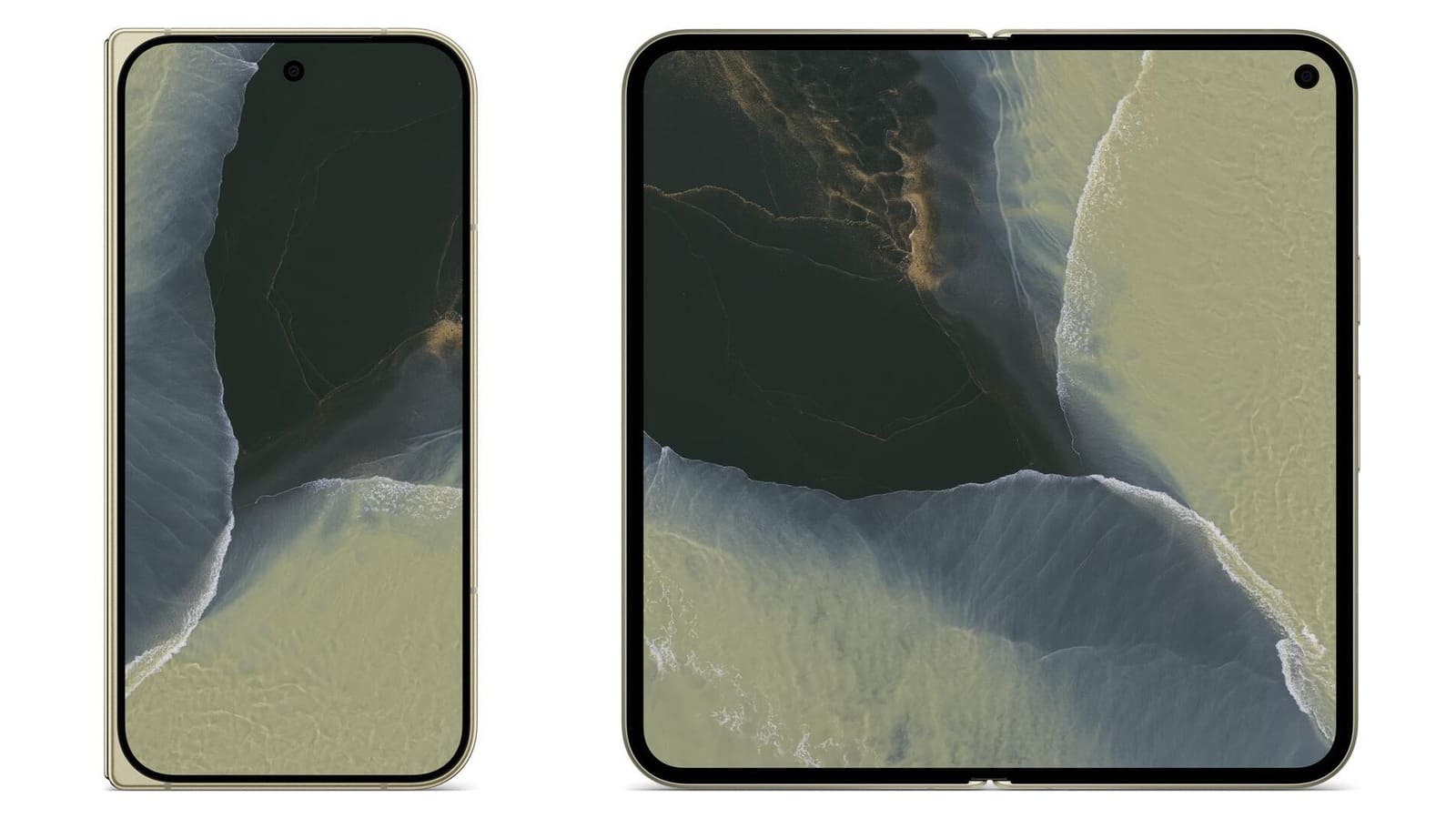
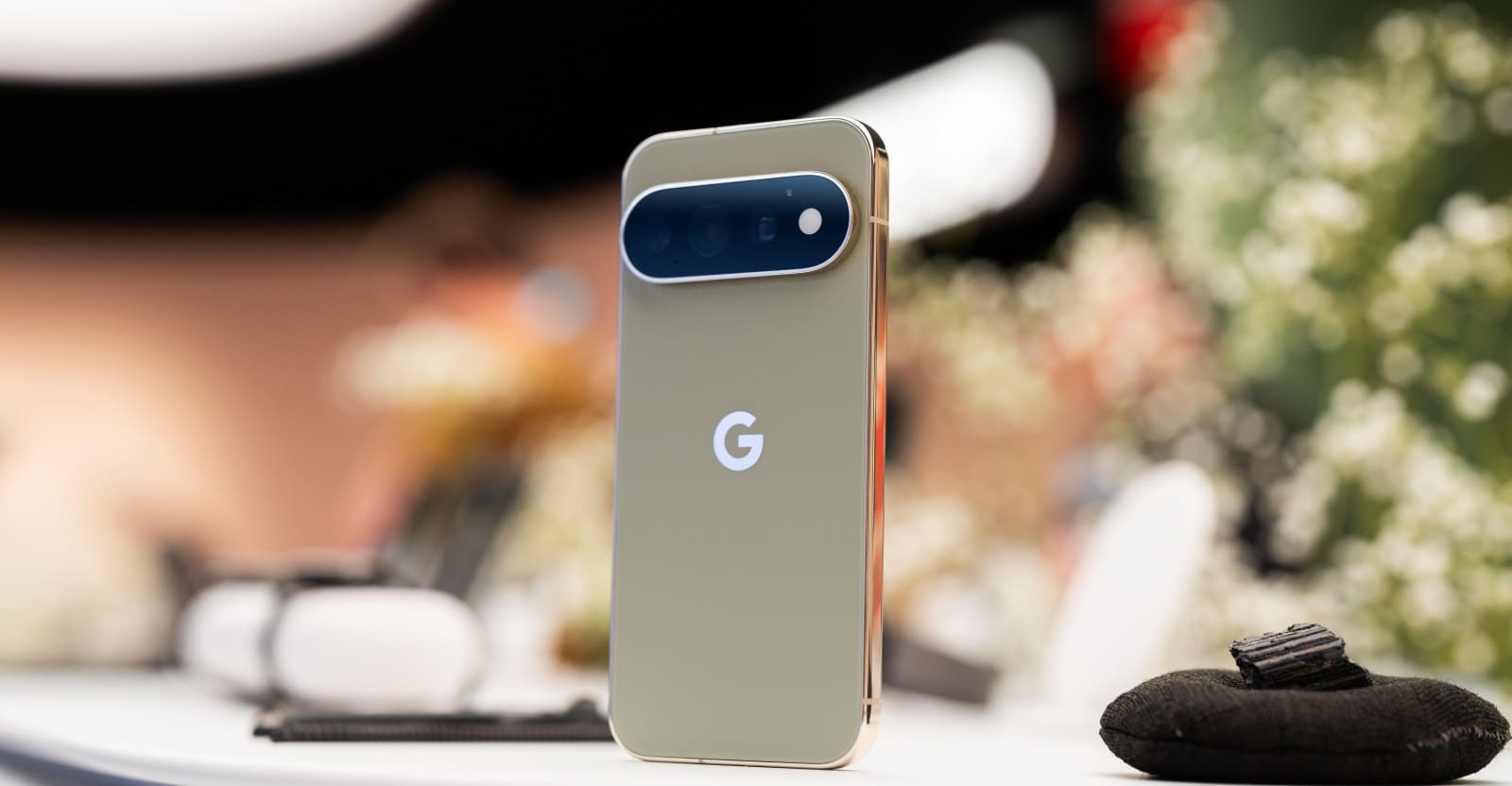
Google has shipped the Pixel 11 lineup across four variants: a standard Pixel 11, two Pro models differentiated by screen size (Pro and Pro XL), and the Pixel 11 Pro Fold. The expansion represents the company's most segmented flagship smartphone strategy to date, mirroring the tiered approach Samsung and Apple have refined over successive generations. Each device now carries a higher sticker price than the corresponding model from the previous cycle, a shift that arrives as Google attempts to justify the premium through hardware and computational photography advances.
The pricing move is notable in a market where Google has historically positioned Pixel devices as value alternatives to Samsung's Galaxy S series and Apple's iPhone Pro line. The question facing existing Pixel owners - and potential switchers - is whether the incremental gains warrant the additional outlay, particularly for users who purchased a Pixel 10 series device within the past twelve months.
Tensor G6 and the Performance Promise
At the core of the Pixel 11 family sits the Tensor G6, Google's sixth-generation in-house system-on-chip. The company has framed the G6 as a meaningful leap in processing speed and efficiency, continuing its strategy of designing silicon optimized for on-device machine learning rather than chasing raw benchmark scores. Early indications suggest the G6 delivers faster image processing, quicker Gemini Intelligence response times, and improved battery management under sustained workloads.
For users running Pixel 10 devices with the Tensor G5, the performance delta will likely be most perceptible in camera workflows - particularly when applying computational effects to burst shots or processing night-mode captures. General app responsiveness and multitasking fluidity may feel marginally smoother, though the G5 already handled most daily tasks without perceptible lag. The real test will come in sustained gaming sessions and video export tasks, where the G6's thermal management and GPU architecture should show clearer separation from its predecessor.
Google has also baked the G6 deeper into its suite of AI-driven features, including expanded Live Translate functionality that now covers additional language pairs and real-time conversation modes. These capabilities rely on the chip's tensor cores and on-device inference pipelines, a domain where Google continues to hold an architectural edge over Qualcomm's Snapdragon platforms in Android flagships.
Camera Hardware and Magic Capture
The Pixel 11 Pro models receive upgraded camera sensors, though Google has not disclosed the exact specifications of the new hardware. What the company has detailed is Magic Capture, a computational photography tool designed to automatically select the best frame from a rapid sequence and apply contextual edits - adjusting exposure, sharpening faces, and removing transient distractions like passersby or stray objects.
Magic Capture builds on the Best Take and Magic Eraser features introduced in earlier Pixel generations, but it operates with less user intervention. The system evaluates composition, subject focus, and lighting in real time, then surfaces a recommended final image within seconds of capture. It is a logical extension of Google's philosophy: push the computational burden onto the device so the user can simply point and shoot.
For photographers who prefer manual control, the Pixel 11 series retains Pro mode with granular adjustments for ISO, shutter speed, and white balance. But the headline feature is clearly aimed at the broader consumer base that values convenience and consistency over creative latitude. Whether Magic Capture can reliably outperform a user's own curation habits remains an open question, particularly in complex lighting scenarios or fast-moving scenes where the algorithm must make split-second editorial decisions.
Circle to Search Through the Viewfinder
Google has integrated Circle to Search directly into the camera app, allowing users to identify objects, landmarks, or text within the viewfinder before even taking a photo. The feature leverages the Tensor G6's image recognition pipeline and Google's visual search infrastructure, delivering results in a side panel without interrupting the camera session.
The practical applications are straightforward: identifying a plant species during a hike, translating a menu in a foreign restaurant, or pulling up product information for an item spotted in a store window. It is a refinement of the Circle to Search gesture introduced on Pixel 10, now embedded deeper into the camera workflow where it can operate on live imagery rather than static screenshots.
For travelers and power users who frequently rely on visual search, the feature eliminates a step - no need to capture a photo, exit to the home screen, and then invoke search. The implementation is seamless, though it does raise questions about privacy and data handling, particularly when the camera is used to identify people or private spaces. Google has stated that visual search queries are processed on-device where possible, with server-side processing reserved for complex lookups that exceed the Tensor G6's on-device capabilities.
Gemini Intelligence Enhancements
The Pixel 11 series ships with an updated version of Gemini Intelligence, Google's suite of AI-powered productivity and communication tools. Enhancements include smarter email triage, context-aware reply suggestions that adapt to conversational tone, and improved voice transcription accuracy in noisy environments. The updates are incremental rather than transformative, refining features that debuted on Pixel 10 and earlier Android devices.
One notable addition is real-time call screening with sentiment analysis, which can flag potentially fraudulent calls based on speech patterns and keyword triggers. The feature operates entirely on-device, a privacy-forward approach that aligns with Google's recent emphasis on local processing for sensitive data. Users can review flagged calls in a log and adjust sensitivity thresholds to reduce false positives.
For users already embedded in the Google ecosystem - Gmail, Calendar, Assistant - the Gemini Intelligence upgrades will feel like a natural progression. But for those who rely on third-party email clients or productivity suites, the value proposition is less compelling. The features are tightly integrated with Google's first-party apps, and cross-platform compatibility remains limited.
The Upgrade Calculus
The central tension for potential buyers is whether the Pixel 11's improvements justify the price increase over last year's hardware. The Pixel 10 series remains a capable set of devices, with strong camera performance, adequate processing power for most tasks, and access to many of the same software features through Android updates. Google has committed to five years of OS and security updates for Pixel 10, meaning those devices will remain supported through 2029.
For users prioritizing photography, the Magic Capture tool and enhanced sensor hardware may tip the scales, particularly for those who shoot frequently in challenging conditions. The Tensor G6's performance gains are real but modest in everyday scenarios - enough to notice if you use your phone heavily, but not enough to render the G5 obsolete. The expanded Live Translate and Circle to Search integrations are conveniences rather than must-haves, valuable for specific use cases but not universally transformative.
The pricing strategy suggests Google is confident in its ability to command a premium, a shift from the value positioning that defined earlier Pixel generations. Whether the market rewards that confidence will depend on how the Pixel 11 series performs in head-to-head comparisons with Samsung's Galaxy S27 and Apple's iPhone 18, both of which are expected to launch within the next quarter. For now, the Pixel 11 lineup represents an evolutionary step forward - polished, capable, and incrementally better, but not a generational leap that demands immediate attention from existing users.