Apple Splits Its 2026 iPhone Lineup Across Two Quarters
Pegatron executives confirm the Pro models will ship in fall while the standard iPhone 18 waits until early 2027, marking a rare departure from the company's unified launch strategy.
The Staggered Release Strategy
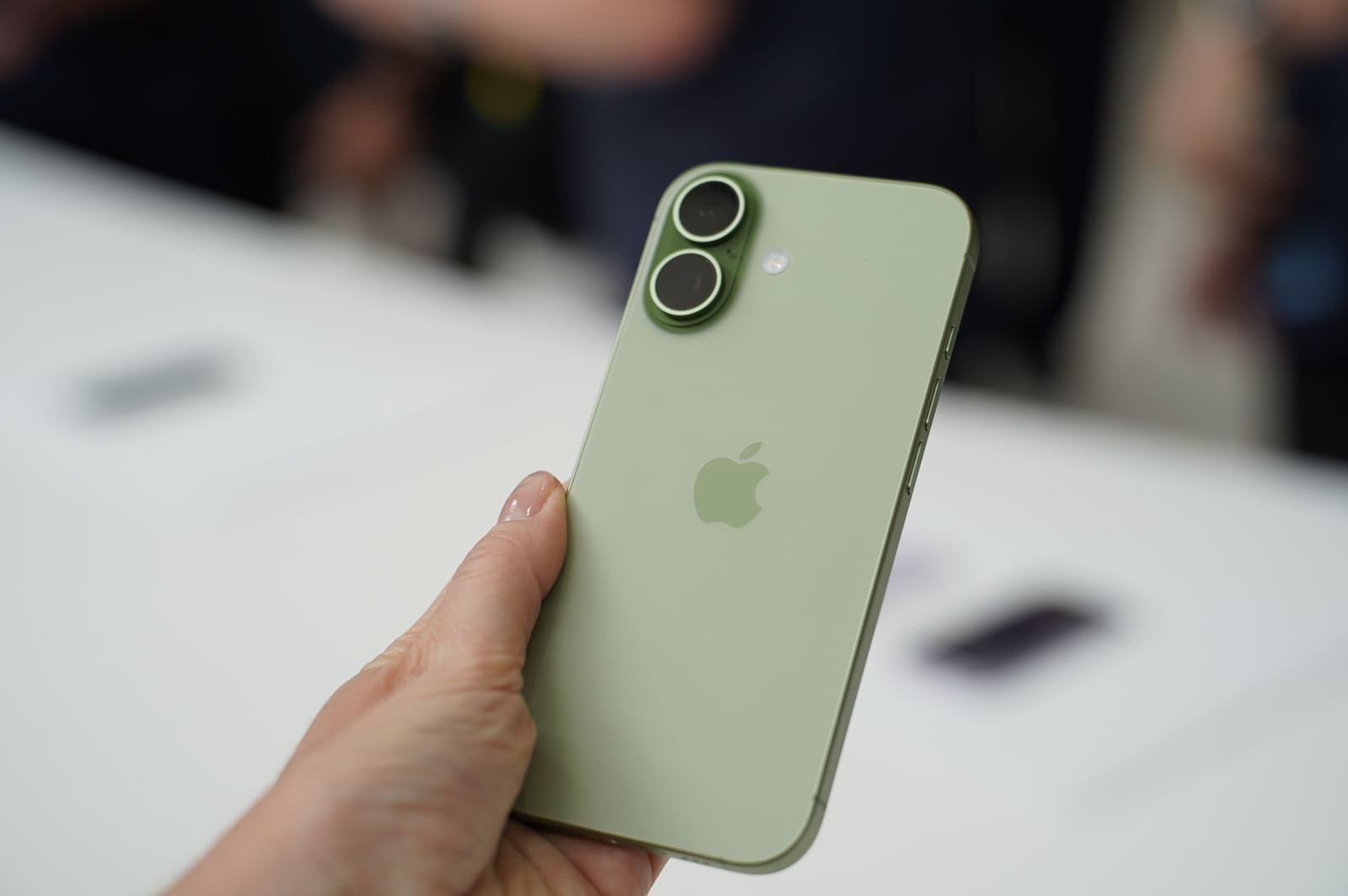
For more than a decade, Apple has synchronized its iPhone launches with clockwork precision every September. That rhythm is about to break. During a recent earnings call, executives at Pegatron - one of Apple's primary assembly partners - disclosed that the iPhone 18 Pro series will maintain the traditional fall window in 2026, but the standard iPhone 18 won't reach customers until the opening months of 2027.
The confirmation adds weight to speculation that has circulated through supply chain channels for over a year. What makes this divergence notable is not just the timing split, but what it signals about Apple's shifting product architecture and market segmentation approach. At DailyTechWire, we've tracked similar component-level delays across Asian suppliers before, but rarely has a tier-one assembler confirmed such a deliberate calendar bifurcation on the record.
Why Separate the Launches
The decision to stagger releases points to underlying technical or supply constraints that Apple hasn't publicly acknowledged. One plausible explanation centers on component availability - specifically, advanced process nodes or custom silicon that may be allocated first to higher-margin Pro devices. TSMC's 2-nanometer production ramp has faced reported yield challenges throughout 2025 and early 2026, and Apple typically reserves the newest fabrication processes for its flagship products.
Another factor may be strategic rather than logistical. By launching Pro models first, Apple can capture the premium segment during the critical holiday quarter without cannibalizing sales with a lower-priced alternative. This approach mirrors tactics used in other consumer electronics categories where manufacturers tier their rollouts to maximize revenue per launch window.
There's also the question of differentiation. If the iPhone 18 standard model incorporates significant design or feature changes, Apple may need additional validation time - particularly if those changes involve new manufacturing techniques or materials that haven't been proven at scale. Delaying the mass-market model reduces risk while the Pro series generates cash flow.
The Budget and Mid-Tier Options
Pegatron's comments also touched on two other devices slated for the early 2027 window: the iPhone 18e and a model referred to internally as the iPhone Air. The "e" suffix is widely believed to denote an entry-level variant, potentially positioned below the standard iPhone 18 in both price and specifications. This would give Apple a three-tier offering in the first quarter - economy, standard, and a design-focused Air variant.
The iPhone Air designation has surfaced intermittently in supply chain chatter since late 2025. If realized, it would represent a new branch in Apple's naming taxonomy, possibly emphasizing thinness or weight reduction in a way that echoes the MacBook Air or iPad Air lines. Whether "Air" signifies a true mid-tier product or simply a rebranding of the standard model remains unclear, but the timing suggests Apple is experimenting with portfolio breadth in a way it hasn't since the iPhone XR era.
Positioning three non-Pro models in the same quarter would be unusual for Apple, which has historically avoided overwhelming its retail and logistics channels with simultaneous SKU proliferation. It may indicate that the company expects differentiated demand curves for each tier, or that it's willing to accept some internal competition in exchange for broader market coverage.
Supply Chain Signals
Pegatron's disclosure aligns with earlier commentary from other suppliers and analysts who flagged irregularities in Apple's 2026 component orders. In mid-2025, reports emerged that certain module suppliers had been asked to adjust their production schedules to accommodate a two-phase ramp rather than the usual single wave. Those adjustments pointed to a split launch, though Apple itself remained silent.
Ming-Chi Kuo, an analyst with a track record of accurate Apple supply chain predictions, noted in late 2025 that fall 2026 would see only the Pro-tier iPhones ship. His analysis suggested that Apple was prioritizing margin and managing component allocation more tightly than in prior cycles. Subsequent reporting corroborated that view, with additional suppliers hinting at delayed timelines for non-Pro assemblies.
What's less clear is whether this two-phase approach will become a recurring pattern or remain a one-time adjustment. If component constraints ease and TSMC's yield rates stabilize, Apple may revert to unified launches in 2027 and beyond. Alternatively, if the staggered model proves financially advantageous - capturing premium buyers first, then broadening the base in Q1 - it could reshape the company's entire product calendar.
Market Implications
The split has downstream effects for carriers, retailers, and the broader smartphone ecosystem. Carriers in North America and Europe typically structure their promotional cycles around Apple's September launches, offering subsidies and trade-in incentives timed to the new hardware. A delayed standard model complicates those campaigns, potentially pushing mass-market upgrades into the traditionally slower first quarter.
For competitors, the gap presents an opportunity. Samsung's Galaxy S series typically launches in February, and if the standard iPhone 18 doesn't arrive until March or April, Samsung gains an uncontested window to capture upgrade demand. Chinese manufacturers like Xiaomi and OPPO, which have been expanding aggressively in Southeast Asia and India, may also benefit from reduced iPhone availability during the year-end shopping season.
Retailers face inventory and merchandising challenges. Apple stores and authorized resellers will need to manage customer expectations when the Pro models are available but the standard version is not. That dynamic could drive some buyers toward the Pro tier who might otherwise have chosen the base model, which may be part of Apple's calculus.
What It Means for Buyers
For consumers, the staggered launch introduces a trade-off. Those willing to pay for Pro features can upgrade in fall 2026 as usual. Those seeking a more affordable option, or who prefer the standard form factor, will need to wait several months - or consider the iPhone 17, which will remain in the lineup at a reduced price.
The delay also raises questions about software and feature parity. Historically, Apple has launched all iPhone models on the same iOS version, ensuring a consistent user experience across the range. If the iPhone 18 standard ships in Q1 2027, it may debut on a point release of iOS 20 that includes refinements not available to the Pro models at their fall launch - or it may ship with the same build, raising the question of why the hardware delay was necessary in the first place.
Ultimately, the two-phase rollout reflects a company navigating tighter component markets and exploring new ways to segment its portfolio. Whether this becomes the new normal or a temporary anomaly will depend on how the 2026 cycle plays out - and whether Apple's customers and partners adapt to the change, or push back.