Google's Pixel Launch Strategy Splits Between Enthusiasts and Mass Appeal
The company's celebrity-driven events pull in millions of viewers while core fans question whether product details are being sidelined for spectacle.
The Numbers Behind the Show
Google's approach to hardware launches has undergone a dramatic transformation. The Made by Google presentation for the Pixel 10 attracted 8.4 million viewers on YouTube, a sixfold jump from the 1.4 million who watched the previous year's event. That growth came at a cost familiar to anyone who has watched consumer tech shift from niche to mainstream: the technical substance that enthusiasts crave gave way to celebrity appearances and entertainment value.
The Pixel 10 event featured a late-night talk show format, airing an hour after the actual phone specifications had already been made public. Executive deep-dives into silicon architecture and camera sensor improvements were conspicuously absent, replaced by scripted segments that prioritized broad accessibility over granular detail.
Hardware for Power Users, Wrapped in Entertainment
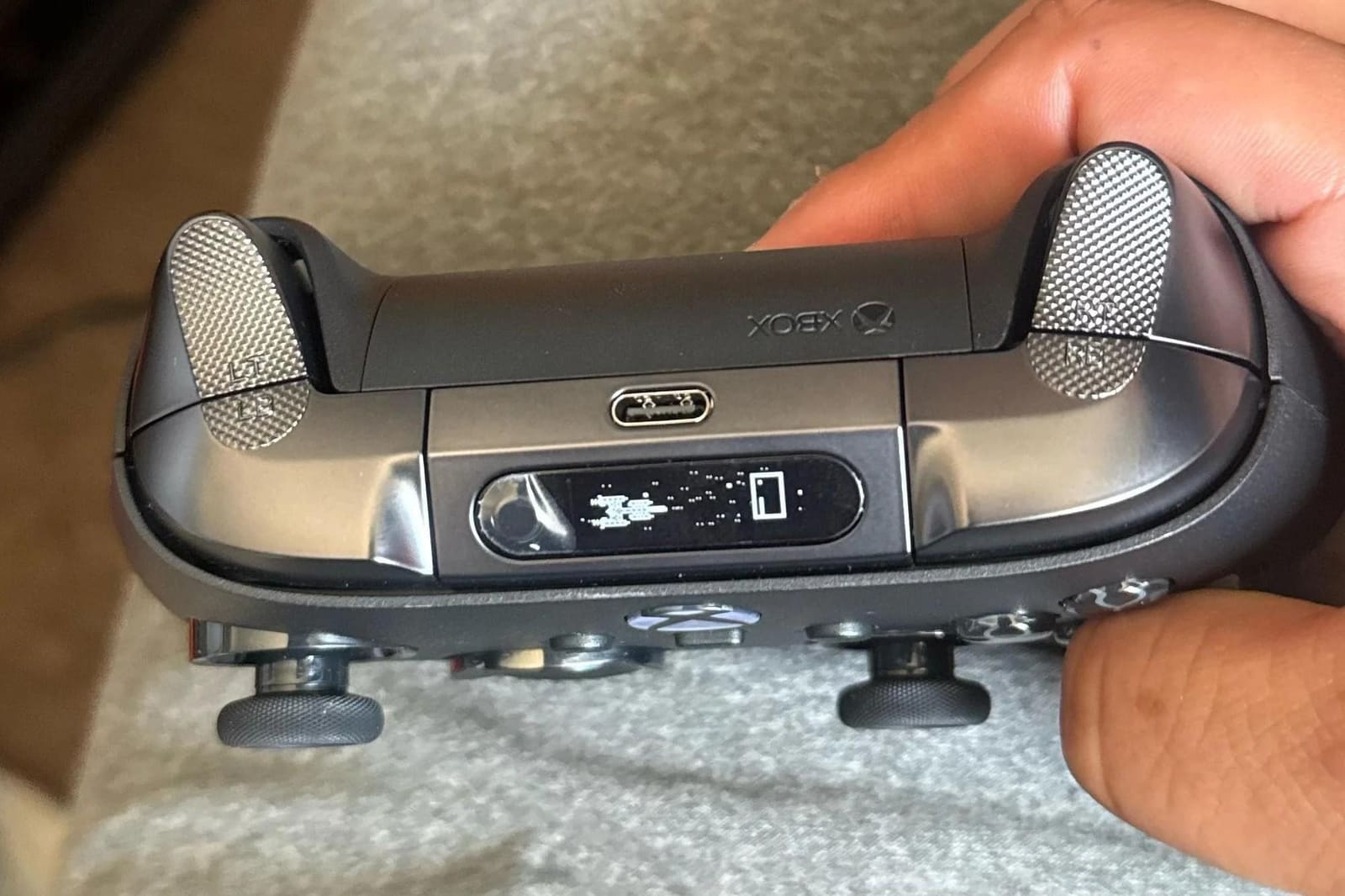
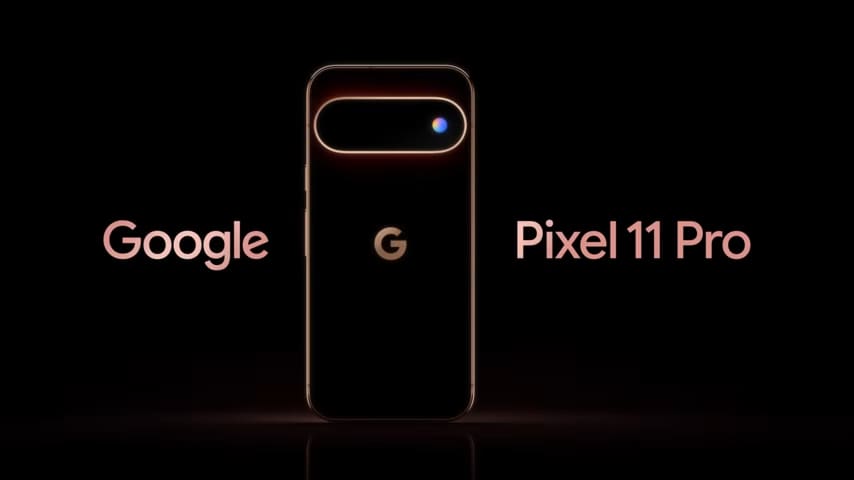
The tension between product and presentation grows more pronounced with each cycle. The upcoming Pixel 11 Pro, for instance, includes a notification LED integrated into the rear panel, a feature that speaks directly to users who value customization and at-a-glance information density. It's the kind of detail that would have anchored a traditional product keynote, dissected in a slide deck alongside power efficiency metrics and developer API documentation.
Instead, Google has doubled down on the entertainment model. Trevor Noah will anchor the next livestream, leading what the company describes as a "stacked" roster of celebrity guests. The format mirrors last year's experiment, which positioned Jimmy Fallon as host and structured the event more like a variety show than a product briefing.
The Asia Angle on Hardware Positioning
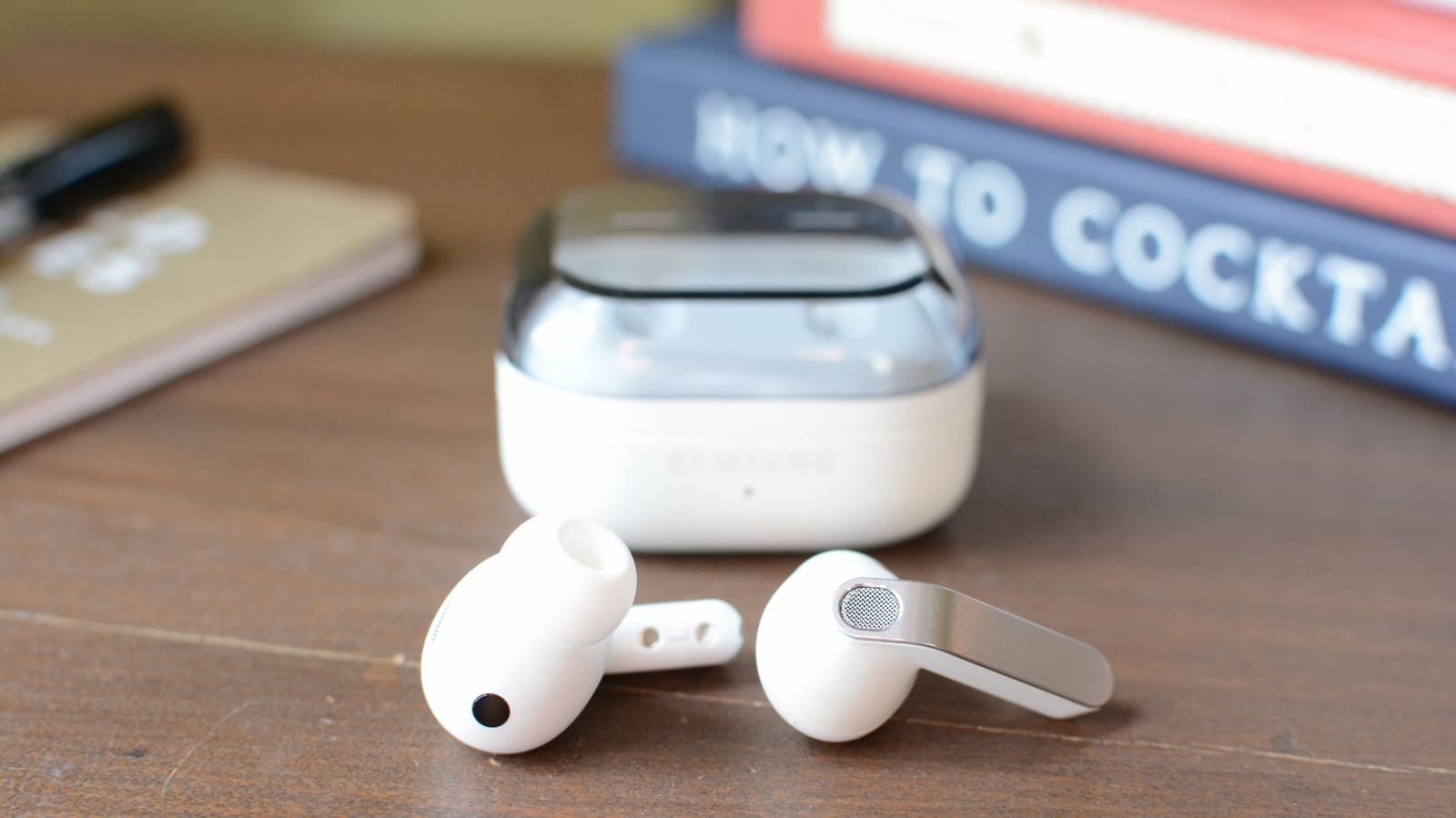
From an Asia-forward lens, this divergence is particularly instructive. Markets across Seoul, Tokyo, and Singapore have historically rewarded technical transparency in hardware launches. Samsung's Unpacked events, for example, maintain a balance between consumer spectacle and detailed specification breakdowns, a cadence that resonates with audiences who often purchase unlocked devices and scrutinize chipset choices, thermal performance, and software update commitments.
Google's pivot suggests a bet that volume growth in North America and Europe, where carrier partnerships and brand recognition drive purchase decisions, outweighs the risk of alienating the technical communities that fueled Pixel's early adoption. Yet those same communities in Bengaluru, Shenzhen, and Jakarta remain essential for developer ecosystem health and grassroots advocacy, particularly as Google competes with regional players like Xiaomi and Oppo that blend aggressive pricing with surprisingly transparent hardware communication.
What Gets Lost in Translation
The shift from technical keynote to variety show isn't merely aesthetic. When specification discussions move from the main stage to press releases and blog posts, the signal that reaches casual observers changes. Features like the notification LED, improved haptic feedback, or refined thermal management become footnotes rather than headline differentiators. For users who evaluate devices based on these details, the gap between what the hardware offers and what the event communicates grows uncomfortably wide.
At DailyTechWire, we've tracked how launch event formats influence not just immediate sales but long-term platform perception. Products marketed primarily on lifestyle and celebrity association tend to struggle in sustaining technical communities, the same groups that produce third-party ROMs, root toolkits, and the developer momentum that extends a device's relevance well beyond its official support window.
The Viewership Trade-Off
Google's strategy is working by one critical measure: reach. An 8.4 million-viewer livestream represents mainstream cultural penetration that few hardware launches achieve. Apple's iPhone events routinely cross that threshold, but Samsung, OnePlus, and other Android manufacturers rarely do. If Google's goal is to position Pixel as a household name rather than an enthusiast darling, the numbers validate the approach.
Yet viewership alone doesn't translate to ecosystem health. The Pixel line has always occupied an unusual position: reference hardware for Android, a testbed for Google's AI and computational photography ambitions, and a device that attracts users specifically because it eschews the bloatware and customization layers that define much of the Android landscape. Those users don't necessarily need a celebrity host to understand why a notification LED matters; they need Google to articulate how that LED integrates with notification channels, how developers can leverage it, and what power budget it occupies.
Where Product and Performance Converge
The underlying question isn't whether Google should host entertaining launch events. It's whether the company can serve both audiences without forcing product teams to choose between technical credibility and mass-market visibility. Apple manages this by segmenting its communication: keynote events emphasize experience and design, while developer sessions and technical white papers provide the depth that engineers and enthusiasts require.
Google's current model conflates the two, staging a single event that attempts to satisfy everyone and, in practice, leaves core users hunting for specification sheets and developer documentation published quietly alongside the spectacle. The Pixel 11 Pro's notification LED is a feature born from listening to power users; the launch event, by contrast, seems designed for everyone except them.
Looking Ahead
As Google prepares to unveil the Pixel 11 series, the company faces a familiar challenge: how to grow a consumer hardware brand without eroding the technical foundation that made it credible in the first place. The Trevor Noah-hosted event will almost certainly deliver strong viewership, reinforcing Google's belief that entertainment-driven formats work. But whether those millions of viewers convert to long-term Pixel users, and whether the enthusiasts who championed early Pixel devices remain engaged, will depend on more than showmanship.
In markets where technical specification and transparency drive purchase decisions, particularly across Asia, Google's strategy may leave room for competitors who communicate more directly with the audiences that matter most for ecosystem momentum. The notification LED on the Pixel 11 Pro is a small thing, but it's the kind of detail that signals whether a company is building for its fans or simply marketing to them.