Samsung Brings Medical-Grade Hearing Support to Galaxy Buds
FDA clearance unlocks over-the-counter hearing aid functionality for two flagship earbud models, with a five-minute clinical test built into the companion app.
Regulatory Green Light Opens Consumer Audio to Clinical Use
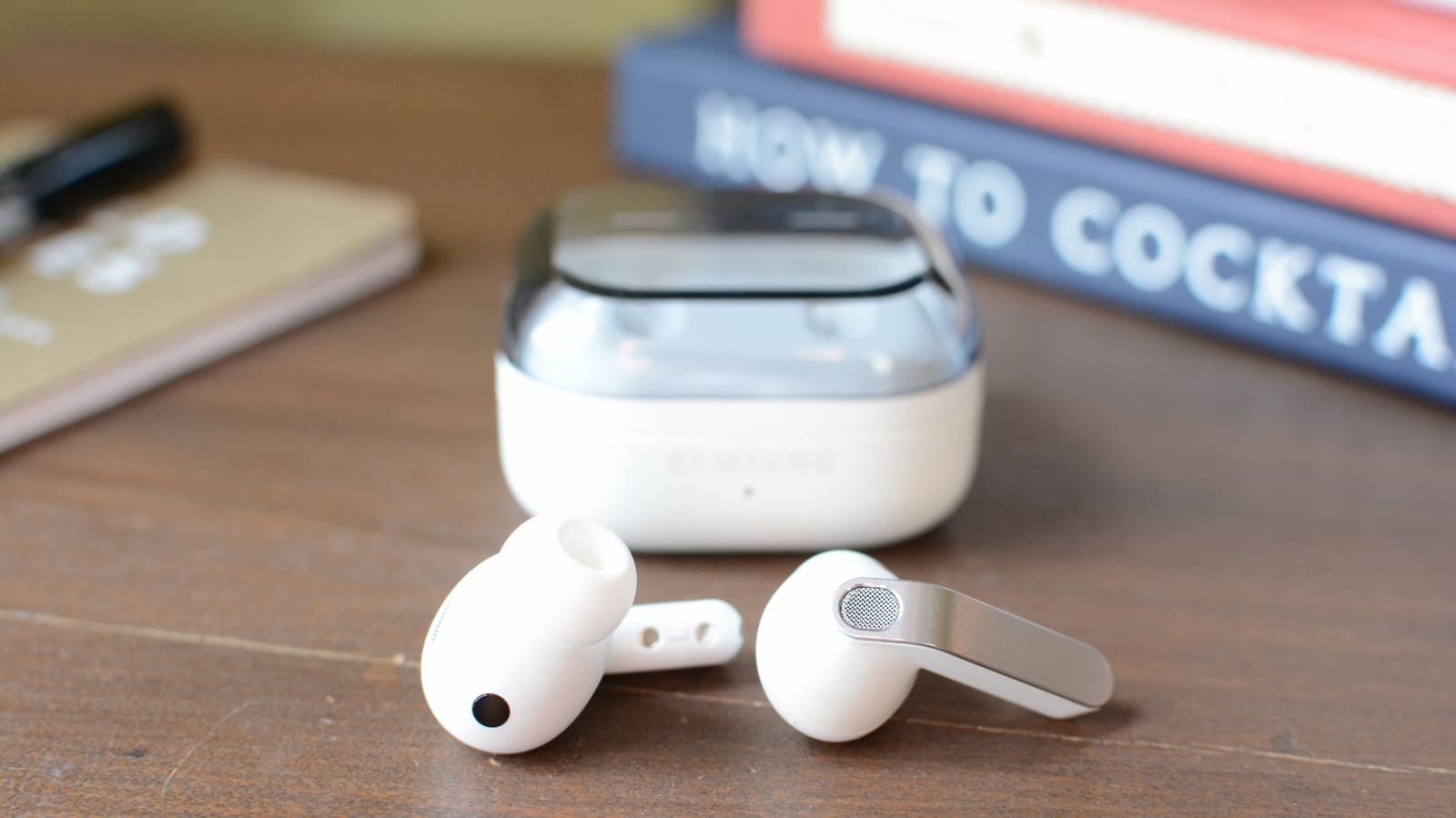
Samsung has received Food and Drug Administration clearance for a hearing aid feature that will ship on its Galaxy Buds 3 Pro and Galaxy Buds 4 Pro later this year. The approval enables the Seoul-based manufacturer to deploy over-the-counter hearing support for adults aged 18 and older experiencing mild to moderate hearing loss, bringing the earbuds into a space where consumer electronics increasingly overlap with medical devices.
The move puts Samsung alongside Apple, which introduced a similar capability in its AirPods Pro line. Both companies are capitalizing on 2022 FDA guidance that created a new category of over-the-counter hearing aids, removing the prescription barrier for millions of people who may not seek traditional audiology care due to cost or access constraints.
A Five-Minute Test in Your Pocket
At the heart of Samsung's implementation is a hearing test accessible through the Galaxy Buds settings menu on compatible Galaxy smartphones. The test runs approximately five minutes per ear and claims to deliver medical-grade results, categorizing hearing into five bands: normal, mild, moderate, severe, or profound loss.
Results populate within the Samsung Health app, where users can review frequency-specific data and track changes over time. The test itself relies on pure-tone audiometry principles, playing tones at varying frequencies and volumes to map a user's hearing threshold. While Samsung has not disclosed the exact frequency range or calibration standards, the FDA clearance suggests the algorithm meets clinical benchmarking requirements.
For users flagged as having mild or moderate loss, the hearing aid feature activates automatically. It selectively amplifies frequencies the wearer struggles to perceive, such as whispers, distant voices, and higher-register sounds that often fade first with age-related hearing decline. The feature does not support severe or profound loss, which typically requires more powerful, prescription devices with custom fitting.
Adaptive Audio Engineering Under the Hood
Samsung's hearing aid mode integrates with existing audio processing pipelines in the Buds 3 Pro and Buds 4 Pro. The feature leverages beamforming microphones to prioritize sound arriving from directly in front of the wearer, a technique borrowed from conferencing and call-quality improvements. By narrowing the spatial focus, the earbuds reduce side and rear noise that can muddy speech intelligibility.
Active noise elimination also plays a role, though Samsung has tuned it to preserve ambient awareness rather than create full isolation. This balance is critical for hearing aid applications: users need to hear environmental cues like traffic, doorbells, and approaching footsteps while still benefiting from amplification.
The company has not revealed whether the feature uses machine learning to adapt amplification curves over time or if it relies on static profiles derived from the initial test. Given the trend across both Samsung and Apple's audio portfolios, dynamic adjustment is likely, allowing the earbuds to refine their response as users move between quiet and noisy environments.
Why Consumer Audio Giants Are Moving Into Hearing Health
The shift toward hearing aid functionality in premium earbuds reflects converging market pressures. An estimated 48 million Americans experience some degree of hearing loss, yet fewer than 20 percent of those who could benefit from hearing aids use them, according to data from the National Institute on Deafness and Other Communication Disorders. Cost remains the primary barrier: traditional hearing aids can run several thousand dollars per pair, even before factoring in audiologist visits.
Over-the-counter devices priced at a fraction of that amount, and which users already carry for music and calls, lower the friction dramatically. For Samsung, the feature also deepens the value proposition of its flagship earbuds and tightens the ecosystem lock with Galaxy phones and the Samsung Health platform. Apple's AirPods Pro hearing aid rollout in late 2024 set a benchmark; Samsung's FDA clearance suggests the two are now competing on clinical credibility as much as sound quality.
There are regulatory nuances, too. The FDA's 2022 rule allows manufacturers to self-certify certain over-the-counter hearing aid features without the lengthy premarket approval process required for prescription devices. However, clearance still demands evidence that the product meets safety and efficacy thresholds, including accurate audiometric testing and appropriate gain limits to prevent further hearing damage.
Rollout Timeline and Market Scope
Samsung has committed to launching the hearing aid feature and test in the United States later this year, with additional markets to follow. The company has not specified which regions outside the US will receive the feature first, though regulatory pathways in the European Union, South Korea, and select Asia-Pacific markets are likely targets given Samsung's distribution footprint.
Only the Galaxy Buds 3 Pro and Galaxy Buds 4 Pro will support the feature at launch. Older models, including the Buds 2 Pro, lack the necessary hardware or firmware architecture to run the test and adaptive amplification. This creates a clear upgrade incentive for users with hearing concerns, though it also limits the feature's reach within Samsung's installed base.
The hearing test will require a compatible Galaxy smartphone, meaning users on other Android devices or iPhones will not be able to access the functionality even if they own the supported earbuds. This platform dependency mirrors Samsung's broader strategy of tying premium features to its own hardware ecosystem, from health tracking to spatial audio.
Open Questions on Long-Term Use and Accuracy
While FDA clearance provides a baseline of confidence, real-world performance will depend on factors the regulatory process does not fully capture. Earbud fit varies widely among users, and poor seal can degrade both the accuracy of the hearing test and the effectiveness of amplification. Samsung's silicone tip design offers multiple sizes, but anatomical variation means some users may never achieve an ideal fit.
Battery life is another consideration. Hearing aids are typically worn throughout the day, and while the Galaxy Buds 3 Pro and Buds 4 Pro offer competitive playtime, continuous amplification and beamforming processing may drain batteries faster than standard music playback. Samsung has not disclosed whether the hearing aid mode includes power management optimizations.
There is also the question of how users will integrate the feature into daily routines. Unlike dedicated hearing aids, which are designed to be worn all waking hours, earbuds serve multiple roles. Switching between hearing aid mode, music, and calls may introduce friction, particularly for older adults less comfortable with touch controls and app settings.
Finally, the five-minute test, while convenient, cannot replace comprehensive audiological evaluation. It will not detect underlying medical conditions such as ear infections, tumors, or sudden sensorineural hearing loss that require clinical intervention. Samsung's implementation will need clear user guidance to ensure people seek professional care when appropriate, rather than relying solely on consumer-grade diagnostics.
A Broader Shift in Personal Audio
Samsung's FDA clearance is another data point in the transformation of earbuds from entertainment peripherals to multifunction health devices. Heart-rate monitoring, fall detection, and now hearing aid functionality are converging in hardware that already enjoys mass adoption and continuous wear. The lines between consumer electronics, wearables, and medical devices are blurring, driven by miniaturized sensors, regulatory reform, and platform integration.
For Samsung, success will hinge not only on technical performance but also on user education and trust. Hearing loss carries social stigma, and positioning earbuds as a discreet, everyday solution may help more people address the issue earlier. At the same time, the company must navigate the tension between accessibility and clinical rigor, ensuring that convenience does not come at the expense of safety or effectiveness.
The feature's arrival later this year will offer a clearer picture of how consumers respond to hearing aid functionality embedded in devices they already own, and whether the over-the-counter model can meaningfully expand access to hearing care across Asia and beyond.