Apple Tests Camera Metadata System to Counter AI-Generated Fakes
A new iOS feature could embed provenance data at capture time, offering iPhone users a way to demonstrate their photos are camera-originated rather than synthetic.
A Technical Answer to a Trust Problem
The line between authentic photography and machine-generated imagery has grown thin enough that even trained observers struggle to tell the difference. Apple appears to be building a technical response: code discovered in recent iOS testing reveals work on a system that would stamp iPhone photographs with cryptographic provenance data the instant the shutter fires.
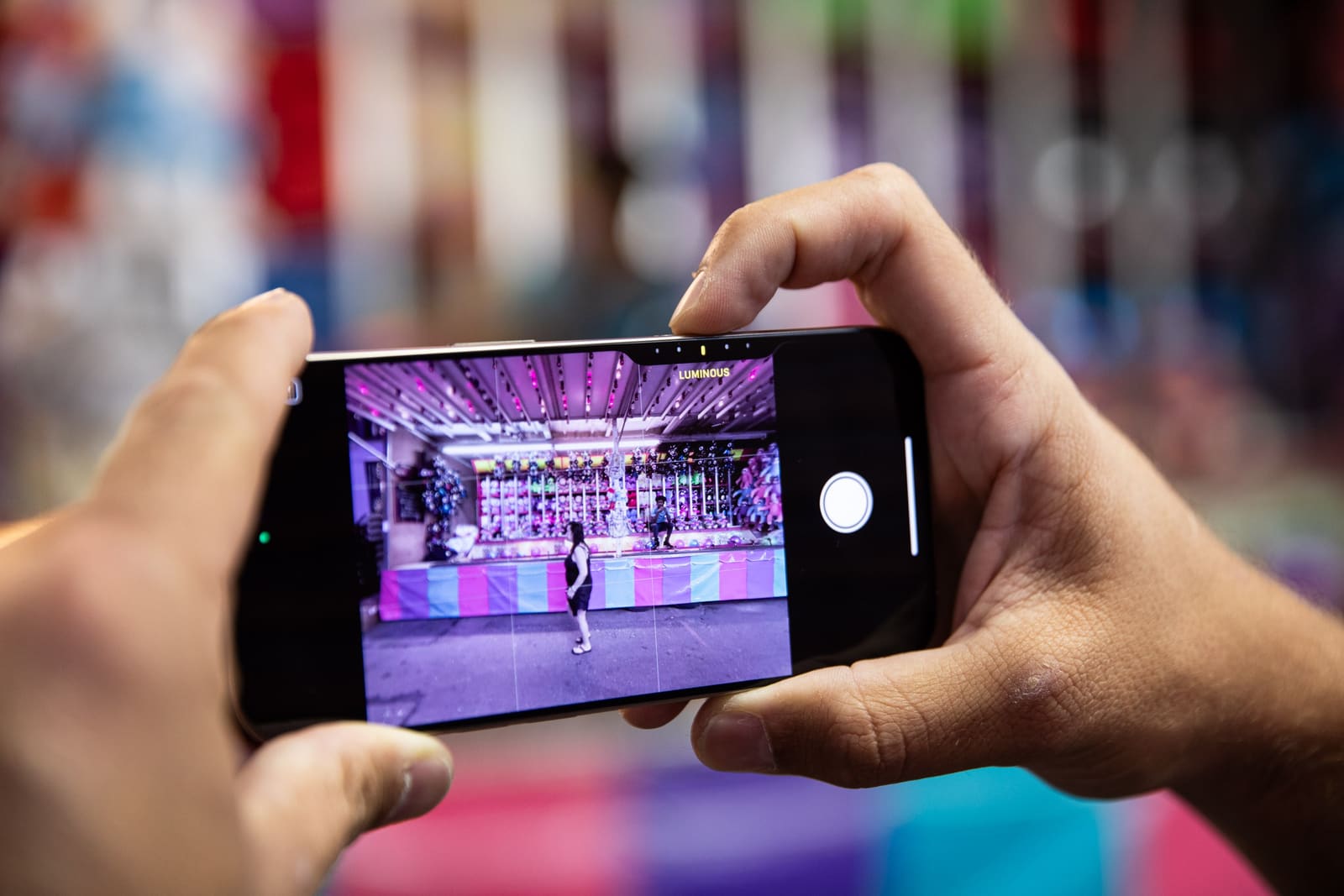
The mechanism, referenced internally as "Apple Reference Image," would operate at the camera level rather than in post-processing. That architectural choice matters. By embedding verification metadata during capture, the system aims to create a chain of custody that begins before any editing tools touch the file. For a user who needs to demonstrate that a photo came from their device's sensor on a specific date and location, that origin point becomes the anchor.
At DailyTechWire, we've tracked similar authentication efforts from Adobe, the Content Authenticity Initiative, and camera manufacturers like Leica and Sony. Apple's approach appears more tightly integrated into the hardware-software stack that already controls how images move from sensor to storage on hundreds of millions of devices.
How Embedded Provenance Would Work
The system would write structured metadata into the image file at the moment of capture. That metadata can include timestamp, geolocation, device identifier, and cryptographic signatures that tie the data to Apple's hardware root of trust. The goal is not to prevent editing but to create a verifiable record of the image's origin that persists even if the photo is cropped, adjusted, or shared across platforms.
This is not Digital Rights Management for photos. The technology does not restrict what a user can do with their images. Instead, it functions as an optional certificate of authenticity. If a news organization, legal team, or platform moderator needs to verify that a photo was captured by a specific device at a specific time, the embedded data provides a forensic trail that is difficult to forge without access to Apple's signing infrastructure.
The privacy implications are non-trivial. Location data, device identifiers, and timestamps can reveal patterns of movement and behavior. According to disclosures found in the beta code, Apple plans to make the feature opt-in. Users who enable it will need to navigate a multi-step path: open Settings, select Camera, tap Reference Image, then toggle Reference Mode. That deliberate friction suggests Apple expects the feature to appeal to specific use cases rather than casual snapshots.
The Market Apple Is Addressing
Demand for photo authentication has grown in parallel with generative AI capabilities. Text-to-image models can now produce photorealistic scenes that fool reverse-image searches. Editing tools powered by diffusion models allow seamless object removal, background replacement, and style transfer that leave no obvious artifacts. In newsrooms, courtrooms, and insurance claims departments, the default assumption that a photograph represents an unaltered moment has eroded.
Apple is not the first to tackle this. The Coalition for Content Provenance and Authenticity, backed by Adobe, Microsoft, and others, has been promoting the C2PA standard for embedding tamper-evident metadata. Leica's M11-P camera writes C2PA data natively. Sony's Alpha 1 II does the same. Google has experimented with SynthID watermarking for AI-generated images, though that approach focuses on marking synthetic content rather than certifying real captures.
What Apple brings is scale. iOS devices account for roughly half of smartphone sales in North America and significant shares in Europe and parts of Asia. If Reference Image becomes a standard feature, it would create the largest installed base of provenance-capable cameras in the world within a single product cycle.
Limitations and Open Questions
Cryptographic provenance solves one problem and creates others. The metadata can prove a photo originated from a specific device, but it cannot prove the scene itself was not staged, manipulated before capture, or taken out of context. A verified iPhone photo of an empty street does not tell you whether someone moved all the cars out of frame five minutes earlier.
Interoperability is another question. Apple's ecosystem is famously closed. If Reference Image relies on proprietary signing keys and metadata schemas that other platforms cannot read or verify, the system's value drops sharply outside Apple's walled garden. Cross-platform verification would require either adoption of open standards like C2PA or publication of APIs that let third parties validate Apple's signatures.
There is also the issue of adversarial use. If the metadata can prove authenticity, it can also be weaponized to discredit images that lack it. A photo taken on an older device, a non-Apple phone, or a standalone camera would carry no provenance data, making it easier to dismiss as suspect even if it is genuine. In high-stakes scenarios, absence of metadata could become evidence of fabrication rather than simply evidence of an older workflow.
Where This Fits in Apple's Privacy Narrative
Apple has spent the past several years positioning privacy as a competitive differentiator. Features like on-device Siri processing, App Tracking Transparency, and iCloud Advanced Data Protection all emphasize user control and minimal data exposure. Reference Image extends that narrative into a new domain: not just protecting data from third parties, but giving users tools to assert the authenticity of their own content.
The opt-in design aligns with that philosophy. Users who need provenance can enable it; those who do not want their location and device details embedded in every photo can leave it off. The friction in the settings path suggests Apple does not intend this to be a mass-market feature turned on by default, which would have raised louder privacy objections.
Still, the existence of the feature creates a new expectation. Once provenance metadata becomes available, platforms and institutions may begin to prefer or require it. A journalist submitting photos to an editor, a witness providing images to an attorney, or a user reporting abuse to a social network may find that verified photos carry more weight than unverified ones. That shift would turn an optional feature into a de facto standard, with implications for anyone using devices or software that do not support it.
The Timing and the Rollout
The code references appeared in the fifth beta of iOS 27, which suggests Apple is still testing the system internally. There is no public timeline for release, and features discovered in beta code sometimes never ship. If Apple does move forward, the company will need to address platform integration, third-party verification, and legal questions around metadata as evidence.
The timing is notable. Generative AI tools have moved from research labs to consumer apps in less than three years. Regulation is lagging, and technical standards are still fragmented. By building provenance into the camera itself, Apple is making a bet that hardware-level authentication will matter more as synthetic content becomes ubiquitous.
Whether that bet pays off depends on adoption by the institutions that need to verify images: newsrooms, courts, insurers, and platforms. If those actors build workflows around cryptographic provenance, Apple's early move positions iOS as the default tool for trusted image capture. If they do not, Reference Image remains a niche feature for edge cases.
Either way, the existence of the system signals a shift. Photography is no longer assumed to be a record of reality. It is becoming a medium that requires active proof of authenticity, and the companies that control the cameras are building that proof into the hardware.