Google Sets Stage for Pixel 11 Series and Watch 5 Reveal
The Mountain View giant will unveil its latest hardware lineup in New York tonight, backed by celebrity firepower and months of strategic leaks
The Pre-Announcement Game
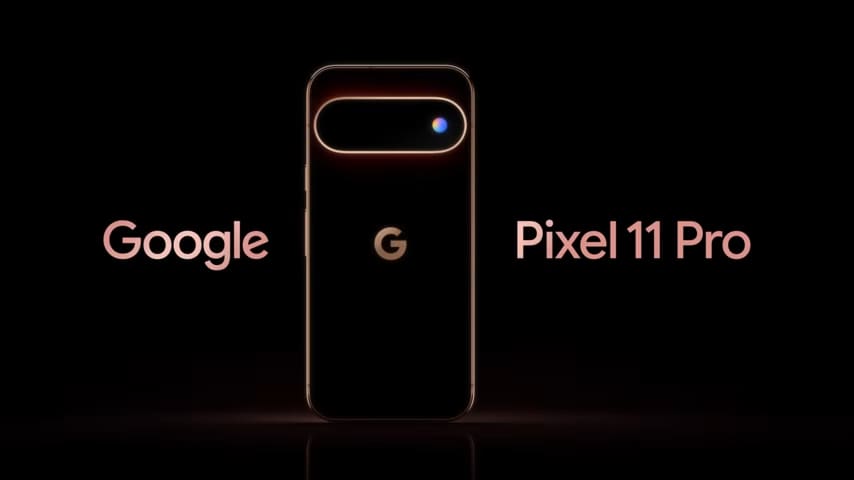
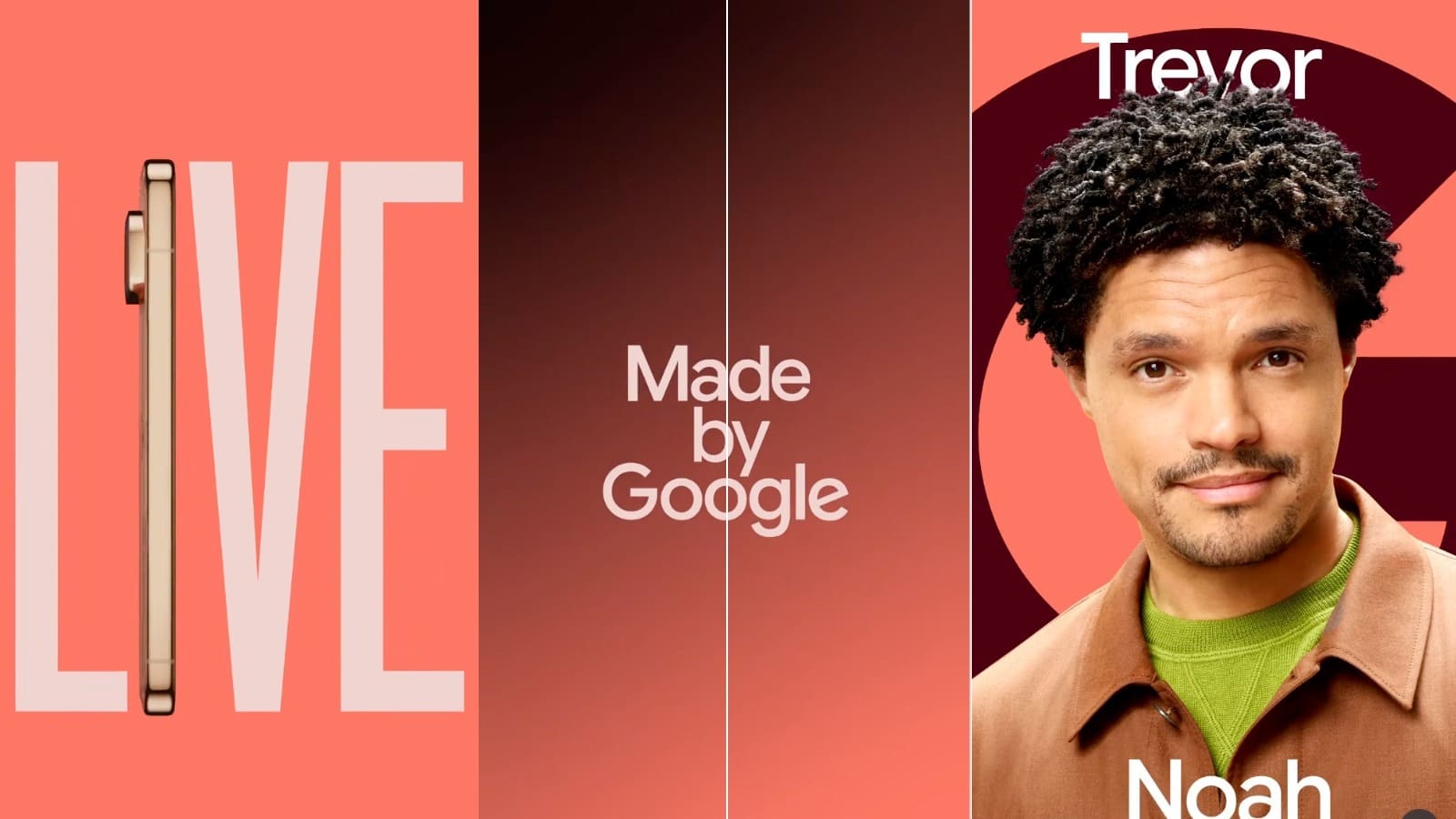
Google will take the stage in New York at 6 PM Eastern Time on August 12 to formally introduce what much of the tech world already knows is coming: the Pixel 11 family, spanning standard, Pro, and Pro Fold variants, alongside the Pixel Watch 5. The company has orchestrated a deliberate drip of teasers over recent days, a strategy that blurs the line between leak management and marketing choreography.
At DailyTechWire, we've tracked this pattern across multiple hardware cycles. The pre-announcement dance serves dual purposes: it keeps enthusiast communities engaged while allowing Google to shape narratives before competitors can define them. By the time executives walk on stage tonight, the specifications and design language will feel familiar rather than surprising, a calculated trade-off in an era where genuine hardware secrecy has become nearly impossible.
Star Power Meets Silicon
Tonight's presentation will feature Trevor Noah as host, with appearances scheduled from podcast personality Alex Cooper, NBA champion Steph Curry, musician PinkPantheress, and actor Ayami Nakajo. The celebrity roster signals Google's continued push to position Pixel devices beyond the early-adopter segment that sustained the line through its first five generations.
This approach mirrors strategies Samsung and Apple have refined over years: using cultural figures to communicate that flagship Android hardware can command mainstream attention. For Google, which still holds single-digit global smartphone market share despite strong performance in specific regions like Japan and parts of Europe, the challenge remains translating launch-day buzz into sustained sales momentum.
What the Rumor Cycle Revealed
The Pixel 11 series is expected to showcase Google's fourth-generation Tensor chip, developed in closer collaboration with TSMC after the company moved away from Samsung's foundries for this generation. Industry sources have pointed to meaningful gains in sustained performance and thermal management, two areas where previous Tensor iterations drew criticism from reviewers who praised computational photography but noted throttling under extended workloads.
Camera hardware will likely see incremental rather than revolutionary changes. Google has historically leaned on computational improvements rather than sensor size races, a philosophy that served the company well when it dominated mobile photography but has faced stiffer competition as rivals like Xiaomi and OPPO invested heavily in optics. The Pro Fold variant represents Google's second attempt at a foldable form factor after the original Pixel Fold launched to mixed reception, with durability concerns and software optimization issues tempering otherwise solid hardware execution.
The Pixel Watch 5 enters a wearables market where Google's Fitbit acquisition has yet to produce the integration synergies the company promised regulators during the approval process. Wear OS remains fragmented across OEM implementations, and Google's own hardware has struggled to match the polish of Apple's watchOS ecosystem or the battery life of devices from Garmin and other fitness-focused competitors.
The Discount Email Gambit
Google has reportedly begun distributing promotional codes to users who registered interest in the new devices, a tactic that suggests the company is front-loading incentives to drive early adoption. This mirrors tactics the Pixel team deployed during the Pixel 6 launch, when supply chain constraints limited availability and Google sought to reward committed buyers while managing inventory uncertainty.
The move also reflects broader smartphone market dynamics. Premium device sales have softened across most regions outside India and parts of Southeast Asia, where mid-tier devices continue growing. Offering discounts to loyal users helps Google maintain upgrade cycles within its existing base while newer buyers encounter full retail pricing. It's a segmentation strategy that works in the short term but can erode brand perception if discounts become expected rather than exceptional.
Asia-Pacific Implications
For markets DailyTechWire covers closely, tonight's announcement carries specific weight. Japan has emerged as Google's strongest Pixel territory by market share, driven by carrier partnerships and consumer preference for compact flagship devices. The standard Pixel 11 will likely continue that momentum if Google maintains competitive pricing against Sharp, Sony, and Apple in the premium segment.
South Korea represents tougher terrain. Samsung's home-market dominance leaves little oxygen for competing Android flagships, and LG's exit from smartphones removed the only meaningful domestic alternative. Google has made limited inroads despite improving availability through SK Telecom and KT Corporation.
India's picture is more complex. Google has invested in local manufacturing and expanded its retail presence, but faces intense competition from Xiaomi, OnePlus, and Samsung in the price bands where volume lives. The Pixel A-series has found modest success, but flagship Pixel devices remain niche purchases for affluent urban buyers. Tonight's pricing decisions, particularly for the Pro Fold, will signal whether Google sees India as a growth market for premium hardware or primarily as an A-series and services opportunity.
The AI Integration Question
Google has embedded AI features across its product stack for years, predating the current generative AI wave by nearly a decade. Tonight's event will almost certainly emphasize new capabilities powered by Gemini, the company's large language model family. The challenge for Google is demonstrating utility that justifies on-device processing rather than simply routing requests to cloud infrastructure.
Tensor chips were originally positioned as enabling differentiated on-device AI, but most headline Pixel features still require connectivity. If the Pixel 11 series can deliver meaningful offline capabilities, particularly for translation, transcription, or photo editing, it would validate the custom silicon investment. If the demo reel looks similar to what cloud-connected devices from any manufacturer can accomplish, questions about Tensor's strategic rationale will persist.
What Happens After Tonight
Hardware launches generate attention, but Google's historical weakness has been sustaining that interest through the critical holiday quarter. The company has improved distribution partnerships and retail presence, but availability remains inconsistent compared to Samsung and Apple's global reach.
Software support represents a clearer advantage. Google now promises seven years of OS updates for Pixel devices, matching Samsung and exceeding Apple's unwritten but generally shorter support window. For enterprise and security-conscious buyers, that commitment matters more than launch-day specifications.
The broader question is whether Google views Pixel as a reference platform for Android partners or a genuine attempt to capture meaningful smartphone market share. Those two goals can coexist but require different investment levels and strategic priorities. Tonight's presentation will offer clues through pricing, availability commitments, and the balance between showcasing pure Android versus exclusive Pixel features that fragment the ecosystem Google ostensibly wants to strengthen.
The event begins at 6 PM Eastern Time, and Google has signaled it will be streamed globally. We'll be watching from multiple time zones across Asia and evaluating what the announcements mean for the region's device landscape, carrier strategies, and the ongoing competition among Android flagships that still struggle to command iPhone-level brand loyalty outside their home markets.