A Fintech Firm Tries to Sell LPs on Combined Venture-Advisory Play
FGV Capital merges investing and consulting under one roof, arguing the overlap will help close deals and drive returns in a crowded fundraising market.
The Pitch: Venture Plus Advisory
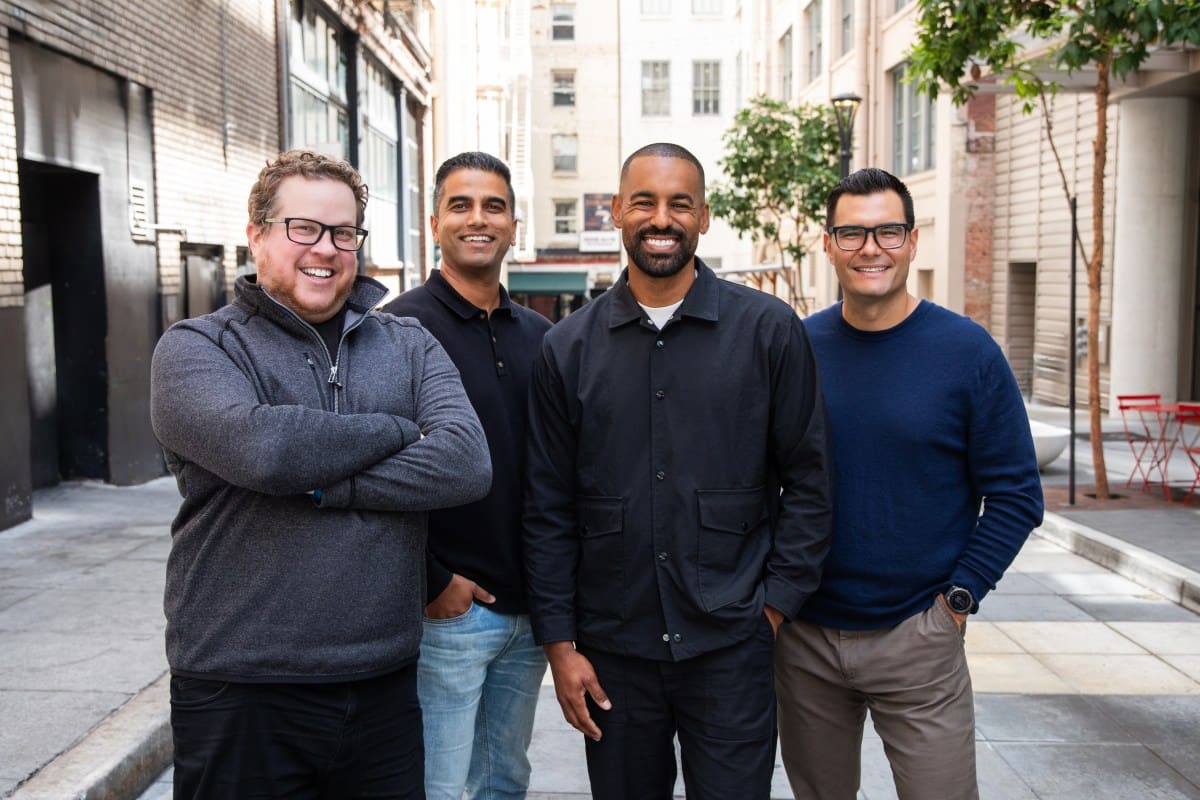
Fiat Ventures has rebranded as FGV Capital and unified its investment and growth-consulting operations, unveiling the structure alongside a $35 million Fund II. General partners Marcos Fernandez and Drew Glover say the move is designed to give portfolio companies access to go-to-market expertise and an executive network that until now lived on the advisory side of the business. For emerging managers competing in a difficult fundraising climate, the integrated model is both a differentiation strategy and a value proposition: founders get help scaling, limited partners get a window into operational details, and the firm gets an edge in winning allocations on cap tables.
The setup is straightforward. One entity invests capital; a separate unit advises startups on scaling, distribution, and business strategy. The advisory arm also connects clients to a network of industry operators. Glover says the two sides remain operationally distinct, with "clear processes" to prevent consulting relationships from biasing investment decisions. Still, he acknowledges that startups are more willing to accept FGV's term sheets when they know they can also tap the advisory network. The consultancy effectively becomes a deal-sourcing and diligence channel, giving the investment team visibility into how founders execute before money changes hands.
The Ecosystem Thesis
Fernandez and Glover frame the model as an "ecosystem" in which capital, relationships, and distribution reinforce one another. A company FGV backs can later become a consulting client; a firm the advisory team works with may turn into a portfolio investment; LPs can partner with companies on either side of the business. The goal, Fernandez explains, is to create multiple paths for value creation while keeping legal and operational walls in place.
The firm has already deployed capital into thirteen companies from Fund II, targeting at least twenty-five total over two years with check sizes between $1 million and $1.5 million. The investment thesis centers on fintech's convergence with artificial intelligence, healthcare, and commerce. Across both funds, FGV has backed roughly forty companies, including pet-insurance provider Wagmo and consumer-lending platform Possible Finance. Fund I closed at $25 million.
Selling Institutional Capital on the Model
Raising Fund II took eighteen months, a timeline that reflects the broader slowdown in LP commitments to emerging managers. Fernandez and Glover say they deliberately courted institutions that could offer more than capital, recruiting limited partners with domain expertise or distribution channels useful to portfolio companies. The fund's LP base includes Reinsurance Group of America, MassMutual, and Bank of America. FGV also runs a program to help its LPs' portfolio companies scale, and it introduces LPs to advisory clients for potential partnerships.
In an environment where many first- and second-time fund managers struggle to stand out, FGV is betting that operational involvement and LP engagement will translate into stronger returns and easier fundraising down the line. The firm's pitch to LPs is that the advisory business generates proprietary deal flow, deeper diligence, and post-investment value-add, all of which should improve outcomes relative to check-writing-only competitors.
The Conflict Question
The combined model raises an obvious question: how does FGV avoid letting consulting fees or relationships cloud investment judgment? Glover says the firm has internal protocols to separate decision-making, and he emphasizes that the advisory business and the fund operate as distinct legal entities. The investment team, he argues, benefits from better information and context, not from pressure to back advisory clients.
Whether that firewall holds up in practice will depend on governance and culture. If a founder who pays for consulting later seeks investment, the firm will need to demonstrate that the check was written, or declined, on merit. If an LP relationship opens doors to portfolio partnerships, the firm will need to show that portfolio companies were selected independently. At DailyTechWire, we've tracked similar models in Asia and the U.S.; the ones that succeed tend to have transparent decision logs, third-party committee oversight, or explicit recusal policies. FGV has not disclosed its specific safeguards publicly.
Fintech's Shifting Center of Gravity
The fund's geographic and sector focus also reflects a broader trend. While FGV is based in the United States, the fintech-plus-vertical thesis it is pursuing mirrors activity in markets from Singapore to São Paulo, where investors increasingly look for infrastructure plays that enable lending, payments, or underwriting in non-financial sectors. The firm's emphasis on AI in fintech aligns with a wave of startups applying large-language models to credit decisioning, fraud detection, and customer onboarding, areas where regulatory complexity and data quality remain barriers to automation.
FGV's decision to combine venture and advisory under one brand is also a bet that the days of pure-play, hands-off seed funds are waning. Founders, particularly in capital-intensive or operationally complex categories like fintech, increasingly expect investors to contribute more than money. The risk for firms like FGV is that the combined model becomes expensive to run, difficult to scale, and hard to explain to skeptical LPs who worry about conflicts or distraction. The upside is differentiation in a market where differentiation is scarce.
What Comes Next
With thirteen investments already deployed from Fund II and a target of at least twelve more, FGV will have a chance to test whether its integrated approach translates into measurably better outcomes. The firm will need to show that portfolio companies that also use the advisory service grow faster or survive longer than those that do not, and that the LP engagement model produces tangible value beyond warm introductions. If the model works, expect more emerging managers to experiment with similar hybrid structures. If it does not, the firm will face questions about focus, overhead, and whether trying to do two things at once means doing neither particularly well.
For now, FGV is making a calculated wager: that in a crowded, skeptical fundraising environment, the promise of hands-on operational support and network access is enough to win commitments from both founders and institutions. The next two years will reveal whether that promise can be delivered at scale.