Amazon Raises Device Prices as Memory Costs Surge
The e-commerce giant's entry-level hardware sees double-digit percentage increases, with the Echo Dot climbing 60 percent as component shortages reshape consumer electronics pricing.
The Entry-Level Squeeze
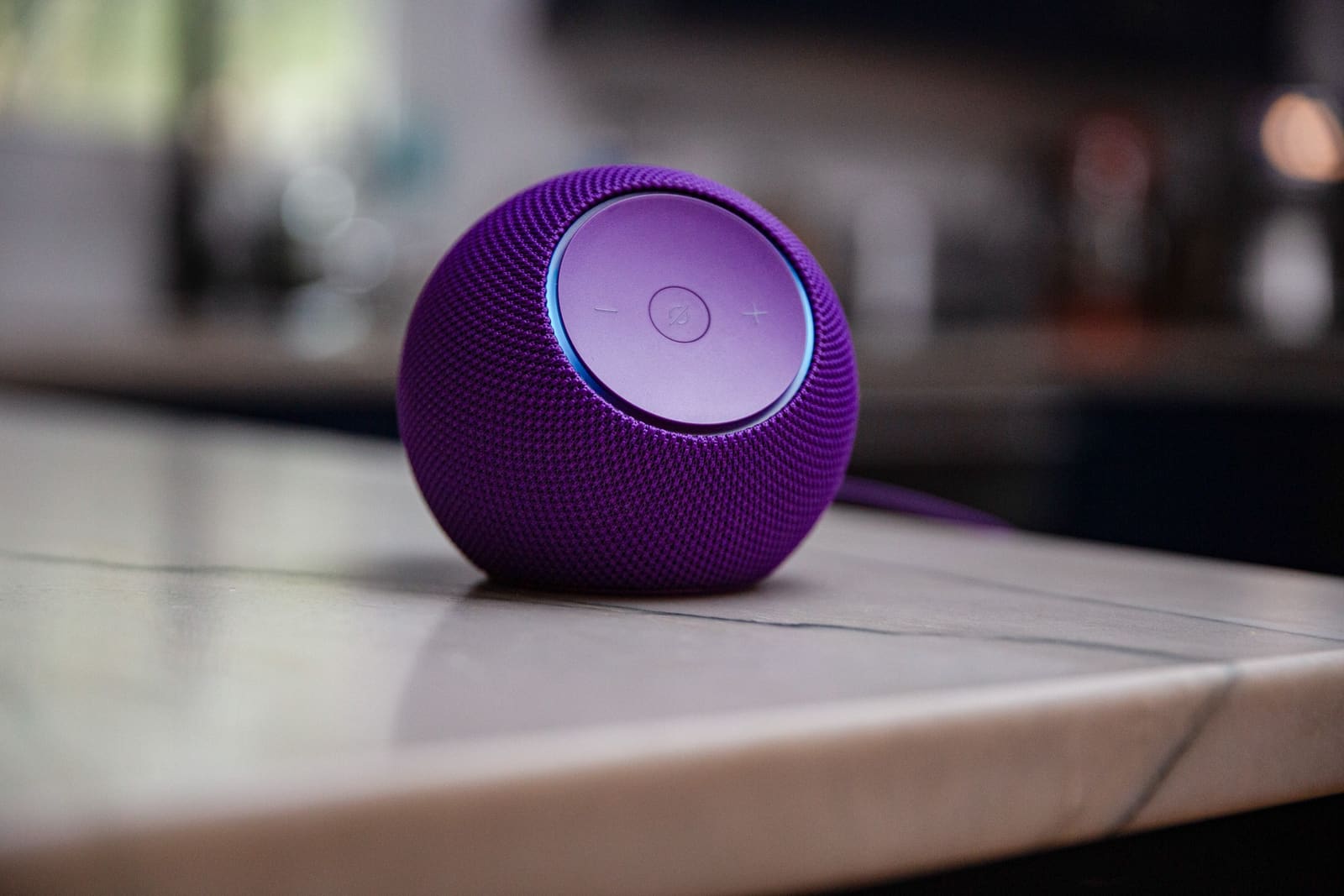
Amazon's most affordable devices absorbed the steepest price adjustments this week. The Echo Dot, long positioned as the gateway to the company's voice-assistant ecosystem at $49.99, now carries a $79.99 price tag. That 60 percent jump transforms what was an impulse purchase into a considered investment for casual smart-home adopters.
The pattern repeats across the portfolio. The Echo Dot Max climbed from $99.99 to $119.99. The Fire TV Stick 4K Max, a streaming dongle that competes directly with Roku and Google's offerings, moved from roughly $60 to $84.99. The base Kindle e-reader, once the anchor of Amazon's hardware strategy at $109.99, now starts at $149.99.
According to Amazon, the adjustments stem from "significant increases in memory and storage component costs." That explanation aligns with broader industry signals. NAND flash spot prices have climbed roughly 40 percent since late 2025, according to data from DRAMeXchange, while DRAM contract pricing has risen in three consecutive quarters. The dynamics reflect both tightening fab capacity in Taiwan and South Korea and sustained demand from AI infrastructure buildouts that compete for the same leading-edge production lines.
Why Low-End Hardware Takes the Hit
The pricing pressure is not uniform. Amazon's premium devices saw smaller percentage increases, if any. That bifurcation reflects how bill-of-materials costs scale. A $50 device with $8 worth of memory that rises to $12 faces a proportionally larger shock than a $200 device with $20 worth of memory rising to $24. Gross margins on entry-level hardware were already thin; the component spike forces manufacturers to choose between absorbing the cost or passing it through.
Amazon has historically treated its devices as vehicles for services revenue, subscription lock-in, and ecosystem expansion rather than standalone profit centers. The Kindle opened the door to book sales; the Echo anchored Alexa, which in turn drove Prime adoption and commerce voice orders. Pricing those devices at or near cost made strategic sense when components were cheap and predictable.
That calculus shifts when component volatility introduces uncertainty. At DailyTechWire, we've tracked similar repricing across Xiaomi's IoT lineup in China and Google's Nest portfolio in North America over the past six months. The pattern suggests the era of subsidized smart-home hardware may be closing, at least temporarily, as supply-chain realities override land-grab strategies.
The Streaming and Reading Calculus
The Fire TV and Kindle increases carry different competitive implications. In streaming, Amazon competes in a crowded field where Roku, Google, and Apple have established price bands. Moving the 4K Max above $80 pushes it closer to Apple TV territory without the integrated ecosystem advantages Apple enjoys. Roku's Ultra LT, which offers comparable 4K performance, typically retails around $70 during promotions. Amazon's pricing power here depends on how much weight consumers place on Alexa integration and Prime Video preloading.
E-readers present a narrower competitive set. Kobo and Barnes & Noble offer alternatives, but Amazon commands roughly 70 percent of the U.S. e-reader market. The Kindle's new $149.99 entry point still undercuts dedicated devices from smaller players, and Amazon retains the leverage of its Kindle Unlimited subscription and Audible integration. The risk is less about losing share to competitors and more about slowing the pace of new customer acquisition, particularly among price-sensitive demographics where the Kindle served as an on-ramp to digital reading.
Broader Industry Signals
The component cost explanation is credible, but it also reflects deeper structural shifts. Leading-edge memory fabs are prioritizing high-margin products tied to AI and data-center demand. Consumer electronics, which operate on razor-thin margins and high volumes, become lower-priority customers when capacity is constrained. That dynamic played out during the 2021 semiconductor shortage, and early signals suggest a similar if less acute pattern is emerging.
Amazon's pricing adjustment arrives as the company faces pressure to demonstrate stronger hardware unit economics. The Devices & Services division has reported operating losses in recent quarters, and while Amazon does not break out device-level profitability, the segment's performance has drawn investor scrutiny. Raising prices on high-volume SKUs addresses margin pressure directly but risks slowing unit growth, which in turn could dampen the services attach rates that justify the hardware investments in the first place.
What Comes Next
The question for Amazon and its competitors is whether this pricing environment persists. If memory costs stabilize or retreat, expect promotional pricing and bundle offers to return. If component tightness continues, the industry may need to recalibrate its approach to entry-level devices altogether, either by simplifying specifications, extending product cycles, or accepting lower penetration rates in exchange for sustainable unit economics.
For consumers, the immediate takeaway is straightforward: the era of $50 smart speakers and $100 e-readers is on pause. Whether that pause becomes permanent depends less on Amazon's strategy and more on the supply-demand balance in memory fabs half a world away, where AI workloads and consumer gadgets now compete for the same silicon real estate.