Amazon Drops Paywall for Alexa+ on Fire TV Devices
The conversational AI assistant, previously locked behind a $20 monthly fee for non-Prime users, is now free across US Fire TV hardware as the company bets on volume over subscription revenue.
A Strategic Shift in Voice Assistant Monetization
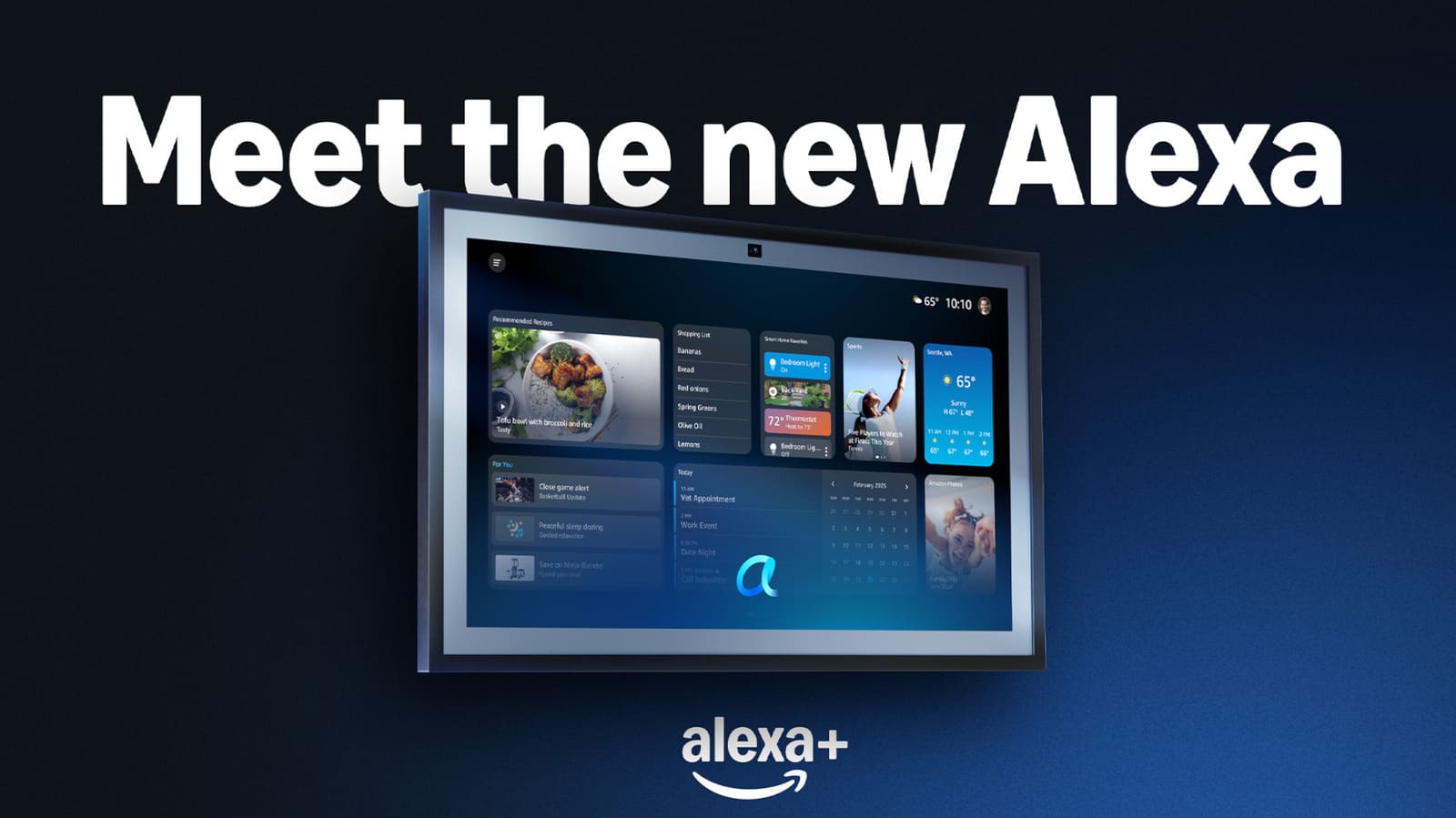
Amazon has eliminated the subscription barrier for Alexa+ across its Fire TV ecosystem in the United States, a move that signals a fundamental rethinking of how voice AI assistants generate value. The company previously charged $20 per month for standalone access to the upgraded assistant, though Prime members always enjoyed complimentary use. Now, any US owner of compatible Fire TV hardware can access the conversational AI without opening their wallet.
The decision arrives seven months after Amazon introduced Alexa+ in February, positioning it as a natural-language successor to the original Alexa's rigid command structure. At DailyTechWire, we've tracked the evolution of voice assistants across consumer hardware, and this pricing pivot reflects a broader industry acknowledgment: in 2026, user adoption and ecosystem lock-in matter more than direct subscription revenue from AI features.
Compatible devices span current-generation Fire TV Sticks, the Fire TV Cube, Amazon Ember smart TVs, and third-party sets from manufacturers including Hisense and Panasonic that ship with Alexa+ integration. The hardware footprint is substantial, given Amazon's dominance in the streaming-device market, and the company has indicated it may extend free access to additional device categories and geographies down the line.
What Alexa+ Actually Does Differently
The upgrade centers on conversational fluidity. Where the original Alexa demanded precise wake words and structured phrases, Alexa+ interprets requests framed in everyday speech. A user can ask for "historical dramas with strong female leads," then immediately follow with "recommend me something newer" without re-establishing context. The assistant threads these queries together, maintaining state across a multi-turn dialogue.
Content discovery is one obvious use case. Instead of naming a specific title, viewers can describe mood, genre, or thematic elements and receive curated suggestions. The assistant also fields questions about on-screen content: ask about an actor's filmography mid-episode, and Alexa+ will surface a synopsis without interrupting playback.
Smart-home control represents the second pillar. Voice commands can summon camera feeds onto the TV screen or trigger actions like locking a door, provided the peripherals are compatible with Amazon's ecosystem. This integration is not novel, but the conversational interface lowers the cognitive overhead; users no longer need to memorize exact phrasing for each device.
According to Amazon, interaction frequency with Alexa+ has nearly doubled compared to the legacy assistant. That metric is unsurprising given the reduced friction, but it also underscores why the company is willing to forgo subscription fees: higher engagement translates to more content purchases, more time spent in Amazon's media properties, and deeper entrenchment in its hardware and services stack.
The Economics Behind Free
Voice assistants have long struggled with direct monetization. Google and Apple offer their assistants at no incremental cost, embedding them as loss leaders or ecosystem glue. Amazon experimented with a tiered model, charging for the AI-enhanced Alexa+ while keeping the baseline version free. That experiment appears to have concluded.
Removing the paywall accomplishes several things. First, it accelerates adoption among Fire TV owners who balked at the $20 monthly fee. Second, it neutralizes a competitive disadvantage against Google TV and Apple TV, both of which bundle conversational assistants without additional charges. Third, it positions Alexa+ as infrastructure rather than a premium feature, a foundation upon which Amazon can layer commerce, advertising, and services.
The company's willingness to absorb the cost suggests confidence in downstream revenue. Every query that results in a Prime Video rental, every smart-home device purchased through voice recommendation, and every additional hour a user spends within Amazon's walled garden contributes to a financial model that does not rely on assistant subscriptions.
Geographically, Alexa+ is already live in the UK, Canada, Mexico, Italy, Spain, Germany, Austria, Brazil, and France, though free access remains US-only for now. Amazon has committed to launching in additional countries this year and extending to 10 further regions in 2027. The phased rollout likely reflects localization complexity and the need to train language models on regional dialects, slang, and content catalogs.
Implications for the Voice AI Landscape
Amazon's decision arrives as large language models make conversational interfaces table stakes. OpenAI, Anthropic, and others have demonstrated that users expect fluid, context-aware dialogue, not brittle command parsing. Consumer hardware companies face pressure to integrate these capabilities or risk appearing outdated.
By making Alexa+ free on Fire TV, Amazon is effectively declaring that conversational AI is no longer a differentiator worth charging for. Instead, it becomes the baseline expectation, the ante required to compete in connected living rooms. This mirrors the trajectory of other once-premium software features, search, cloud storage, and even video calling, that eventually commoditized as infrastructure costs fell and competitive dynamics intensified.
For competitors, the move raises the bar. Google has already embedded Gemini-powered features into its TV platform, and Apple continues to refine Siri across its devices. Smaller players, particularly those without Amazon's scale or vertical integration, may struggle to match the feature set without a clear path to monetization.
The third-party TV manufacturers that ship Alexa+ built-in also stand to benefit. Hisense and Panasonic can now market their sets as offering a premium voice assistant at no ongoing cost, a tangible selling point in a crowded market. Whether Amazon extracts licensing fees or other concessions from these partners remains opaque, but the arrangement suggests mutual interest in expanding the Alexa+ footprint.
What Comes Next
Amazon's roadmap hints at broader device support, though specifics remain vague. Echo smart speakers, tablets, and even wearables could theoretically gain free Alexa+ access if the strategy proves successful on Fire TV. The company's challenge will be balancing infrastructure costs, particularly inference expenses for the underlying language models, against the indirect revenue these interactions generate.
The international expansion timeline also warrants attention. Rolling out conversational AI across diverse languages and regulatory environments is non-trivial. Content licensing, data-privacy regimes, and local competition vary widely, and Amazon will need to navigate these complexities while maintaining a consistent user experience.
For users, the immediate takeaway is straightforward: if you own a compatible Fire TV device in the US, you now have access to a more capable voice assistant without additional cost. Whether that translates to meaningful behavior change depends on how well Alexa+ delivers on its conversational promise and whether Amazon can surface genuinely useful recommendations amid its vast content library.
The broader question is whether this marks the beginning of a new norm, where AI-enhanced assistants are simply part of the package, bundled into hardware and services with no line-item fee. If so, the battleground shifts from access to execution: which assistant understands you best, integrates most seamlessly, and ultimately keeps you inside its ecosystem longest.