Sennheiser Puts User-Replaceable Batteries Into Flagship Earbuds
The Momentum True Wireless 5 signals a shift toward repairable audio hardware as lithium-ion degradation becomes the industry's biggest replacement driver
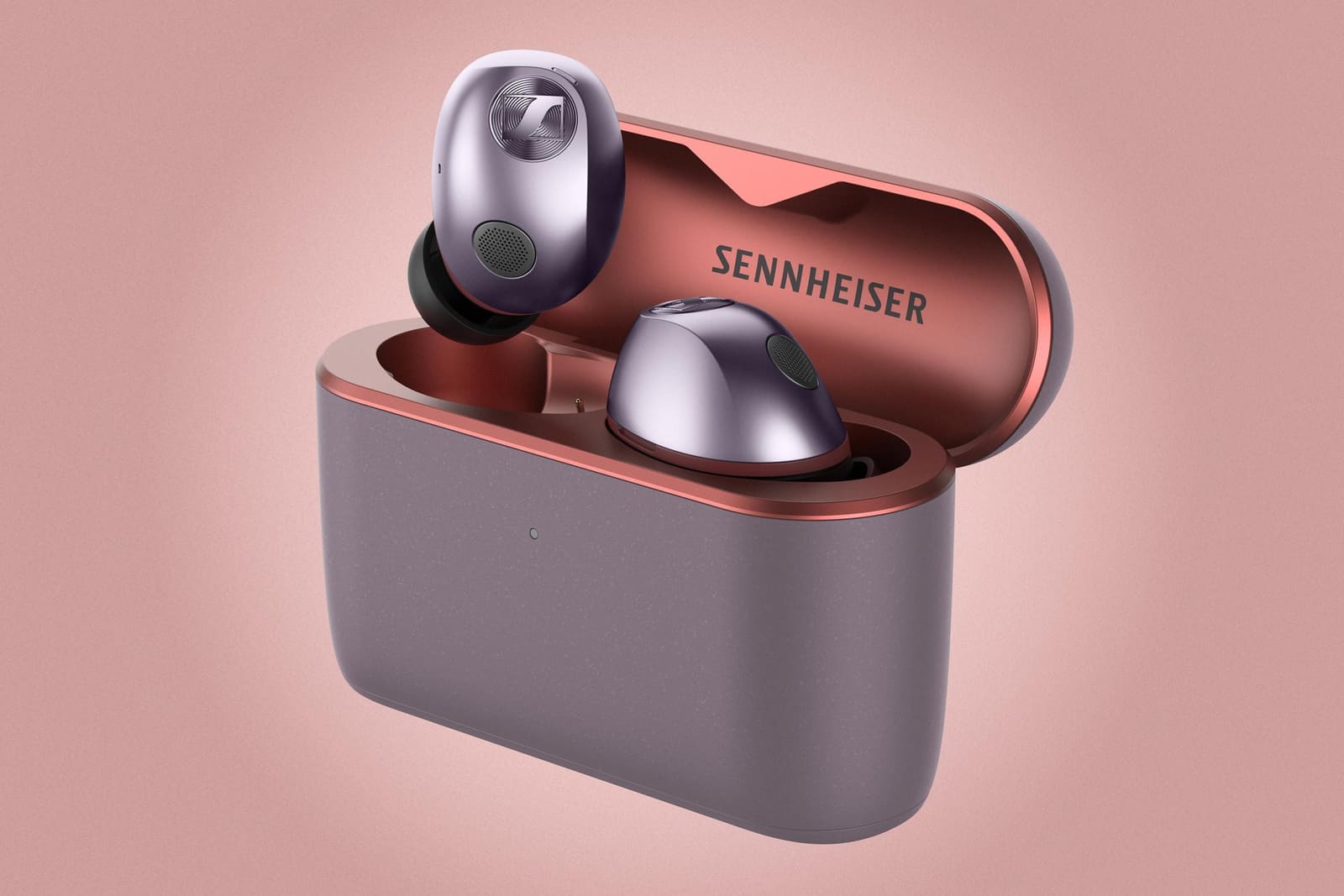
A Screwdriver, Not a Glue Gun
Sennheiser's fifth-generation Momentum True Wireless earbuds arrive with a feature that has become vanishingly rare in consumer audio: batteries you can swap yourself. Both the earbuds and their charging case now use fasteners rather than adhesive to secure battery compartments, meaning owners can replace depleted cells with a small screwdriver instead of prying through bonded enclosures or discarding the entire unit.
The company positions the redesign around sustainability, though the business case is equally straightforward. Lithium-ion cells in wireless earbuds typically degrade to 80 percent capacity within 18 to 24 months of regular use, and battery failure remains the leading reason consumers replace otherwise functional devices. By making cells field-replaceable, Sennheiser extends the functional lifespan of hardware that can easily cost north of $250, a calculation that matters as much in Bangalore and Jakarta as it does in Berlin or San Francisco.
At DailyTechWire, we've tracked the tension between device longevity and revenue models across consumer electronics. Replaceable batteries cut against the grain of planned obsolescence that has defined the category since Apple sealed the original AirPods in 2016. Whether other premium manufacturers follow Sennheiser's lead will depend less on environmental rhetoric and more on whether customers prove willing to pay for hardware built to last five years instead of two.
Design Trade-Offs and the Portability Question
Sennheiser claims the Momentum 5 delivers improvements in comfort, stability, and portability alongside the serviceability upgrades. The portability assertion bears scrutiny. User-replaceable batteries typically require additional internal volume for fastener bosses, access panels, and connector hardware, components that adhesive-bonded designs eliminate. Whether the case and earbuds have grown in size compared to the fourth generation will matter to users who prioritize pocket-ability over long-term repairability.
The company has not disclosed battery capacity specifications, charge cycle ratings, or the retail price of replacement cells. These details will determine whether the serviceability promise translates into genuine cost savings or simply shifts replacement expenses from entire units to periodic battery purchases. If replacement cells cost $40 and degrade on a similar timeline, the economic advantage narrows considerably.
Pricing in a Crowded Premium Segment
The Momentum True Wireless 5 will launch September 3 at $299.95, positioning it against Sony's WF-1000XM5, Apple's AirPods Pro (second generation), and a growing tier of premium offerings from Bose, Jabra, and regional brands gaining traction in Asia. That price point sits just below the psychological $300 threshold but remains $50 to $100 above mid-tier models that deliver 80 percent of the performance for consumers less invested in audio fidelity.
Sennheiser's challenge is convincing buyers that replaceability justifies a premium when competitors offer comparable active noise cancellation, spatial audio, and multipoint connectivity in sealed enclosures. The value proposition sharpens in markets with limited e-waste infrastructure or high import duties on replacement electronics, where extending product life carries both financial and logistical weight.
The Regulatory Tailwind
The timing aligns with emerging right-to-repair legislation across the European Union and parts of Asia. The EU's Ecodesign for Sustainable Products Regulation, entering force in phases through 2027, will impose minimum durability and repairability standards on battery-powered consumer electronics. Manufacturers that design for serviceability now gain a compliance head start and avoid costly redesigns later.
France's repairability index, already mandatory for smartphones and laptops, is expanding to additional product categories. South Korea and India are debating similar frameworks. Sennheiser's move positions the Momentum 5 ahead of regulatory requirements while allowing the company to claim sustainability leadership in marketing, a dual benefit that competitors still relying on glued assemblies will struggle to match.
What This Signals for Audio Hardware
The broader question is whether replaceability becomes a differentiator or a baseline expectation. Fairphone demonstrated that modular smartphones could find a niche audience, but the model has not reshaped the industry. Audio hardware operates under different constraints. Earbuds lack screens, processors, and cameras, the components that drive rapid obsolescence in phones. Battery degradation is the primary failure mode, making replaceability a more targeted and achievable intervention.
If Sennheiser's sales data shows that customers value longevity enough to accept design compromises, other manufacturers will respond. If the Momentum 5 underperforms relative to sealed competitors, the experiment will be noted and quietly shelved. The answer will emerge not in press releases but in quarterly shipment figures and secondary market pricing for used units, metrics that reveal whether consumers actually behave according to their stated preferences for sustainable products.
The Service Network Gap
One variable Sennheiser has not addressed is where users will source replacement batteries and whether the company will support third-party cell suppliers. Proprietary batteries sold exclusively through manufacturer channels undermine the repairability premise if supply chains are unreliable or pricing is punitive. An open specification that allows compatible cells from multiple vendors would strengthen the sustainability argument, though it also introduces quality control risks and potential liability concerns.
The lack of detail on battery availability suggests Sennheiser is still finalizing its service strategy. Companies that have embraced user repairability most successfully, including Framework in laptops and iFixit in tools, built robust parts marketplaces alongside their hardware. Without that infrastructure, replaceable batteries remain a feature rather than a system, useful only as long as the manufacturer maintains interest and inventory.