Meta Brings Voice Dictation and Screen Context to Mac AI Assistant
The social media giant's new desktop offering combines system-wide speech input with business intelligence tools, targeting the growing market for enterprise AI agents.
Voice Input Arrives on Desktop
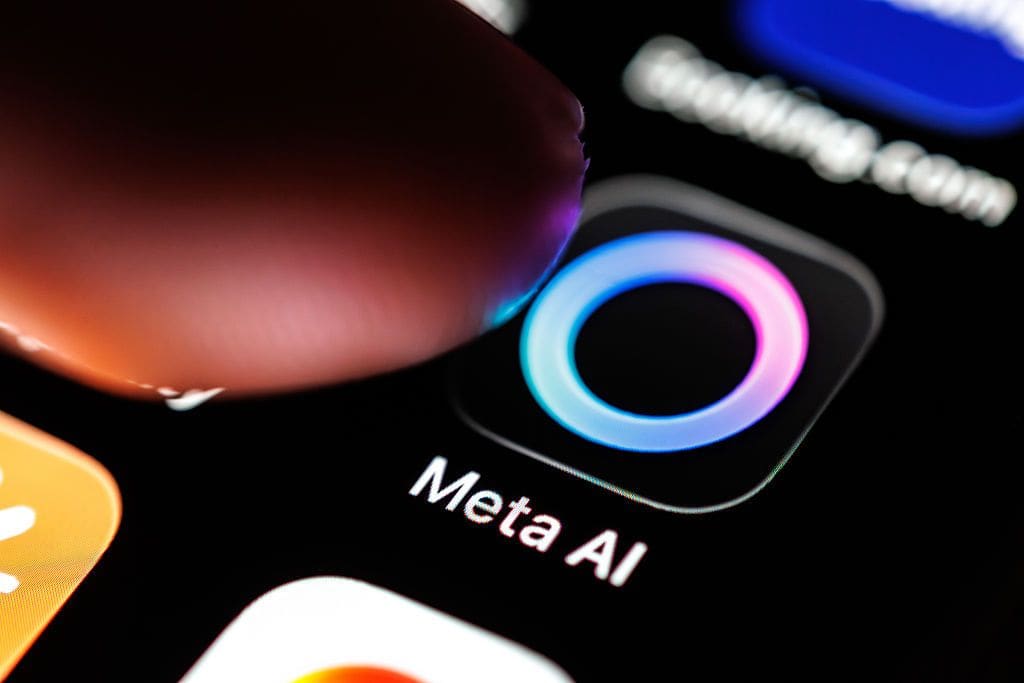
Meta unveiled a Mac application for its AI assistant on August 20, introducing system-wide voice dictation capability that functions across any software running on the machine. The feature allows users to speak into any text field, competing directly with specialized dictation tools that have emerged over the past year.
The application also incorporates screen context awareness through Meta's Muse Spark model, enabling the assistant to analyze what appears on a user's display and respond to questions about visible content. This approach mirrors patterns we've tracked across desktop AI implementations, where ambient awareness of workspace activity has become a standard feature request from power users.
At DailyTechWire, we've watched voice input evolve from a novelty to a productivity staple in Asian and North American markets. The shift toward always-available dictation reflects broader user expectations that AI should integrate into existing workflows rather than require constant app-switching.
Business Intelligence Layer
The desktop release accompanies a significant expansion of Meta AI's business functionality. According to Meta, merchants can now link Instagram and Facebook business accounts, advertising campaigns, and Google Workspace services directly to the assistant.
This integration allows business owners to query campaign performance data, audience engagement patterns, and content effectiveness through conversational prompts. The system surfaces metrics about which posts generated traction and provides competitive analysis drawn from publicly accessible information.
Beyond data retrieval, Meta AI can generate proposal presentations, draft text documents, and build spreadsheets using connected business data. The company positions these capabilities as workflow accelerators for small and medium enterprises that lack dedicated analytics teams.
The timing aligns with Meta's broader push into automated business services across WhatsApp and Instagram. During the company's second-quarter 2026 earnings discussion, CEO Mark Zuckerberg identified enterprise agent sales as a major revenue opportunity, emphasizing automation of customer support and routine business tasks.
The Desktop Dictation Race
Meta's voice input feature enters a crowded field. Google updated its Gemini Mac application in July 2026 to include system-wide dictation, while independent developers have shipped products specifically designed for transcription across operating system contexts.
The proliferation of these tools signals a market consensus: users want speech-to-text functionality that isn't confined to a single application window. Traditional dictation systems required activation within specific software environments, creating friction that limited adoption.
For Asian enterprises in particular, multilingual dictation that handles code-switching between English and regional languages remains a pain point. While Meta hasn't detailed language support for the Mac app, its WhatsApp and Instagram presence across Southeast Asia and India suggests the company understands these requirements.
The screen context feature adds another dimension. By processing visible interface elements, Meta AI can theoretically assist with tasks that span multiple applications, offering suggestions based on what a user is actively viewing rather than requiring explicit context in every query.
Enterprise AI Strategy Takes Shape
Meta's business-focused updates reveal a deliberate strategy to monetize its AI investments through B2B channels. The company has spent years building consumer-facing AI features across its social platforms; the shift toward paid business tools represents a natural evolution of that infrastructure.
Connecting advertising campaign data directly to an AI assistant creates potential for more sophisticated self-service analytics. Small business owners often lack the expertise to interpret engagement metrics or optimize ad spend. An assistant that can answer questions in plain language lowers the barrier to data-driven decision-making.
The Google Workspace integration is particularly notable. By tapping into Gmail, Docs, Sheets, and Slides, Meta AI gains access to the operational documents where much business activity occurs. This positions the assistant as a productivity layer across both Meta's properties and the dominant office suite used by startups and SMEs throughout Asia and beyond.
However, these integrations also raise questions about data handling and privacy. Businesses must trust Meta with access to multiple platforms, including competitor Google's services. The value proposition depends on whether the AI can deliver insights and automation substantial enough to justify that expanded data footprint.
What Adoption Will Depend On
The success of Meta's Mac app hinges on execution details not yet public. Voice dictation accuracy, especially in noisy environments or with technical vocabulary, determines whether users will rely on the feature daily or abandon it after initial trials. Screen context understanding must be precise enough to avoid irrelevant or misleading responses.
For business features, the quality of insights matters more than their availability. If Meta AI simply surfaces metrics already visible in native dashboards, the value diminishes. The real test is whether the assistant can identify patterns, suggest optimizations, or flag problems that business owners wouldn't spot through manual review.
Pricing will also shape adoption. Meta hasn't disclosed whether the business intelligence features require a subscription or remain free with usage limits. Given Zuckerberg's emphasis on enterprise revenue, a paid tier seems likely, which would put Meta AI in direct competition with established business intelligence platforms and productivity tools.
The Mac-first approach is interesting from a regional perspective. While Windows dominates enterprise computing in many Asian markets, creative professionals, developers, and startup founders skew heavily toward Apple hardware. By targeting Mac users, Meta prioritizes influential early adopters who often drive broader technology adoption within their organizations.
The Broader Agent Economy
Meta's move fits within an industry-wide race to deploy AI agents that act on behalf of users rather than simply responding to queries. These agents automate multi-step workflows, integrate across platforms, and theoretically reduce the cognitive load of managing modern digital work.
The challenge lies in reliability and trust. An agent that drafts a proposal needs to understand brand voice, technical accuracy, and audience expectations. One that analyzes competitor activity must distinguish signal from noise in public data. Early-stage agent capabilities often overpromise and underdeliver, creating user skepticism that slows adoption.
Meta's advantage is distribution. With billions of users across its social platforms and established business tools on Instagram and Facebook, the company can onboard merchants with minimal friction. If the AI assistant delivers tangible value, network effects could drive rapid uptake, especially among businesses already dependent on Meta's advertising ecosystem.
The desktop application also represents a beachhead beyond mobile. While smartphones dominate consumer AI interaction in Asia, serious work still happens on laptops and desktops. A capable Mac assistant positions Meta to capture productivity use cases that mobile apps can't address as effectively.
Whether Meta AI becomes a daily tool for business users or another underutilized feature will depend on how well it solves real problems. The technical pieces are in place; the question is whether the execution matches the ambition.