Xiaomi Dominates Global Markets But Stays Out of America
The world's third-largest phone maker has no US ban - just cold business calculus and a better future elsewhere.
The Invisible Giant
Walk into any electronics retailer across Jakarta, Mumbai, or São Paulo and you'll find Xiaomi phones occupying prime shelf space alongside Samsung and local brands. Cross the Pacific to Los Angeles or New York, and that same manufacturer - currently the world's third-largest by market share - effectively doesn't exist. American consumers cycling through their usual Apple-Samsung-Google choices might assume Chinese brands are simply forbidden from US commerce. The reality is more instructive about how global tech markets actually fragment.
Xiaomi controls just under 10 percent of worldwide smartphone shipments at present, yet operates almost no retail presence in the United States. That absence stems not from regulatory prohibition but from a calculated decision that the American market offers poor return on investment compared to faster-growing regions where the company already leads. For observers tracking how capital and innovation flow across Asia, Xiaomi's deliberate avoidance of the US illuminates broader patterns: mature Western markets increasingly matter less to hardware makers who can achieve scale and margin in emerging economies.
A Brief Brush With Washington
Xiaomi did appear on a US investment blacklist for roughly four months in early 2021. The outgoing Trump administration added the company to a list of firms allegedly linked to China's military, barring American investors from holding its shares. Xiaomi contested the designation in federal court, and by late May the US government agreed to reverse the ban. The episode left no lasting legal barrier to selling Xiaomi devices in America - investors resumed trading, and no product import restrictions were imposed.
Yet the ban's brevity doesn't erase its lesson. Any Chinese manufacturer entering the US market today operates under the shadow of potential future restrictions. Huawei, once a rising force in American retail, remains effectively shut out after comprehensive sanctions imposed in 2019. For Xiaomi's leadership, the 2021 blacklist served as a preview: invest heavily in US partnerships, carrier deals, and localized marketing, and risk having that entire operation nullified by a single policy shift in Washington. The Damocles sword hangs visibly.
Economics of Thin Margins
Even absent geopolitical risk, Xiaomi's core business model fits poorly with US market structure. The company built its global footprint by targeting price-sensitive buyers in India, Southeast Asia, Latin America, and parts of Europe. Its strategy hinges on hardware margins as low as 5 percent, a figure Xiaomi has publicly committed to maintaining. Volume compensates for thin per-unit profit, and rapid iteration keeps manufacturing costs competitive.
US smartphone distribution works differently. Carriers control the majority of device sales, bundling handsets with multi-year service contracts and taking substantial cuts. Breaking into that oligopoly requires subsidizing devices, funding co-marketing campaigns, and engineering variants that support specific network bands and carrier software. For a manufacturer already operating on single-digit margins, those costs erode profitability quickly. Samsung and Apple can absorb the expense because they command premium pricing; Xiaomi's value proposition depends on keeping retail prices low, leaving little room for the intermediary fees American carriers demand.
The company does maintain a token US presence through its ecosystem products - air purifiers, charging accessories, electric screwdrivers - sold via online channels. These items carry higher margins than phones and require no carrier partnerships. But the flagship smartphones that define Xiaomi's brand in Asia remain import-only curiosities for American enthusiasts willing to pay shipping premiums and forfeit warranty support.
Where the Growth Actually Is
While Xiaomi forgoes the US, its home market is accelerating in directions that dwarf any potential American revenue. The company entered China's electric vehicle sector in 2024 and now produces the SU7 sedan, a model that starts below $32,000 and claims performance metrics competitive with German sports cars. Xiaomi delivered tens of thousands of vehicles in its first year, leveraging the same supply-chain efficiency and brand loyalty that made its phones dominant across Asia.
China's EV market is the world's largest by volume and continues to grow at double-digit rates. For Xiaomi, expanding there offers immediate scale without the regulatory uncertainty or distribution friction that characterizes the US. The company's smartphone business in China likewise remains robust, with frequent flagship launches - such as the Xiaomi 17 Ultra - that incorporate cutting-edge camera sensors, fast-charging technologies, and custom silicon unavailable in most Western devices.
India represents another high-return geography. Xiaomi has held the top or second position in Indian smartphone share for years, a market of over a billion potential customers where price sensitivity aligns perfectly with the company's margin strategy. Investments in local manufacturing, regional software features, and retail partnerships there yield far higher returns than speculative bets on cracking the US duopoly.
The Broader Asia Opportunity
Xiaomi's absence from America also reflects a broader reconfiguration of where hardware innovation concentrates. At DailyTechWire, we've tracked venture capital flowing into manufacturing hubs across Shenzhen, Bengaluru, and Ho Chi Minh City - regions that combine engineering talent, component supply chains, and consumer markets in tight geographic proximity. Companies building for these regions can iterate faster, test features locally, and scale without needing approval from distant gatekeepers.
This dynamic extends beyond smartphones. Xiaomi's ecosystem strategy - integrating smart home devices, wearables, and now vehicles under a unified software layer - works best in markets where consumers adopt multiple product categories simultaneously. Chinese and Southeast Asian buyers increasingly purchase across Xiaomi's portfolio, generating recurring revenue through services and accessories. Replicating that model in the US would require overcoming entrenched competitors in each category, from Nest thermostats to Sonos speakers, with no guarantee of comparable adoption rates.
What US Consumers Miss
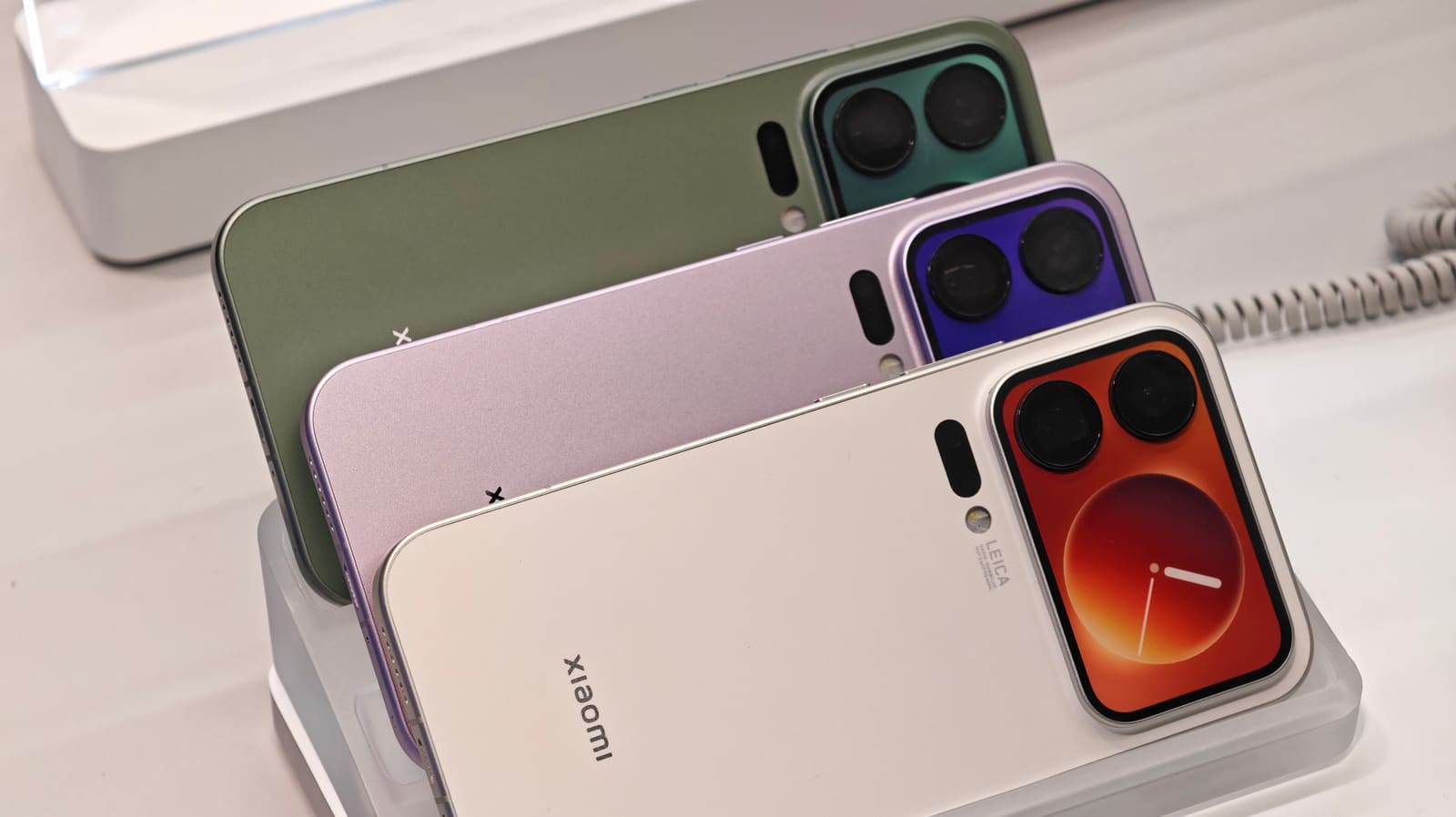
American buyers locked into the Apple-Samsung-Google triangle do forfeit access to hardware advancements that Xiaomi and peers like Oppo and Honor deploy first. Fast-charging standards exceeding 100 watts, periscope zoom lenses with continuous optical zoom ranges, and under-display selfie cameras all debuted in Asian markets before - sometimes years before - appearing in US-sold devices. Xiaomi's flagship cameras, co-engineered with Leica, consistently rank among the best in independent testing, yet remain unavailable through any official US channel.
Enthusiasts can import Xiaomi phones, accepting the trade-offs: no manufacturer warranty, potential network band incompatibilities with US carriers, and software that may lack full localization. A small community does exactly that, drawn by specifications and price points unmatched domestically. But for the vast majority of American consumers, Xiaomi remains a name encountered only in global market-share charts, a reminder that the most popular products worldwide often never reach US shelves.
A Market That Doesn't Need America
Xiaomi's trajectory suggests that success in the global technology industry no longer requires a US presence. The company's valuation, revenue growth, and product pipeline all thrive without American retail partnerships. Its electric vehicles won't receive US road certifications, and its newest phones won't appear in carrier stores, yet neither absence constrains the company's ambitions.
For policymakers and analysts accustomed to viewing the US as the essential market for any serious tech player, Xiaomi's strategy offers a data point worth considering. The center of gravity in consumer hardware has shifted. Companies can achieve scale, margin, and innovation leadership by focusing on Asia, Latin America, and parts of Europe where adoption curves remain steep and competitive intensity differs from the entrenched US landscape. Xiaomi doesn't need to crack America - it already commands the markets that matter more to its bottom line and strategic future.