Waymo Rolls Out Zeekr-Built Robotaxis Across Three US Cities
The Alphabet-owned company is deploying 300 Ojai minivans in Los Angeles, Phoenix, and San Francisco as it races toward profitability, though Chinese import tariffs complicate the economics.
A Fleet Transition Five Years in the Making
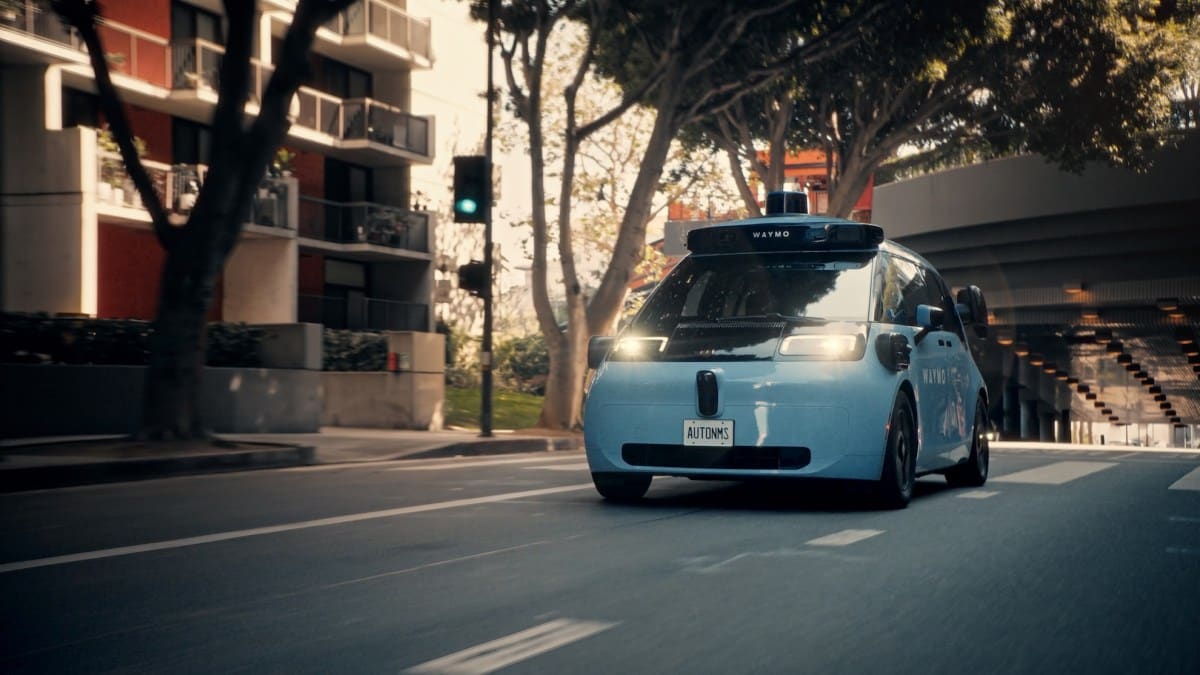
Waymo passengers in Los Angeles, Phoenix, and San Francisco can now ride in the company's Ojai robotaxi, a Zeekr-manufactured minivan that represents Alphabet's most aggressive bet yet on autonomous mobility at scale. The deployment marks the first time riders outside controlled testing programs can experience the vehicle, which Waymo has positioned as the foundation of its path to profitability.
Around 300 Ojai units are currently operating commercially, a modest figure compared to Waymo's existing Jaguar I-Pace fleet. But the strategic intent is clear: the Ojai is designed to be cheaper to build, easier to maintain, and durable enough for near-continuous operation. Once enough vehicles enter service, riders will be able to select between the older Jaguar and the new minivan when booking a trip.
At DailyTechWire, we've tracked Waymo's fleet evolution across eleven US cities, and the Ojai rollout signals a decisive pivot away from the modified luxury hatchback that has served as the company's public face since 2018. The Jaguar I-Pace, while recognizable with its white paint and sensor array, was always a stopgap, a premium vehicle retrofitted for a business model that demands volume and efficiency.
The Zeekr Partnership and Its Trade-offs
The Ojai is built by Zeekr, a brand under China's Geely Holding Group, on the automaker's SEA-M platform. Waymo announced the partnership in 2021, and the collaboration has moved through prototype testing and production-intent validation over the past five years. The platform was engineered specifically for high-utilization commercial applications like robotaxis and delivery vans, prioritizing modularity and durability over consumer amenities.
But the China connection brings friction. Under current US trade policy, vehicles manufactured in China face steep import tariffs, raising the per-unit cost for every Ojai that crosses the Pacific. Zeekr ships the base vehicles without any Chinese connected-car systems installed, a deliberate choice to sidestep regulatory scrutiny over data security. Once they arrive, the minivans are trucked to Waymo's Arizona factory, where technicians integrate the company's sixth-generation autonomous driving stack.
This two-stage supply chain adds complexity and cost, yet Waymo is pressing ahead. Research firm MoffettNathanson, which monitors imports through customs data, estimates the company is on track to bring 5,000 Ojai vehicles into the United States by the end of 2026. In July alone, 725 units entered the country. If that pace holds, Waymo will more than double its current fleet size within months.
Sixth-Generation Autonomy and Gemini Integration
The Ojai carries Waymo's sixth-generation self-driving system, a modular architecture designed to work across multiple vehicle types. This is central to Waymo's commercial strategy: rather than engineering bespoke solutions for each platform, the company aims to deploy a single, adaptable stack that can scale horizontally. The system combines lidar, radar, and camera sensors with machine learning models trained on millions of miles of real-world driving data.
Inside, riders encounter a redesigned user interface and Google's Gemini AI, which functions as an in-car assistant. Passengers can ask questions about the route, request climate adjustments, or inquire about nearby points of interest. The integration reflects Alphabet's broader push to embed its AI capabilities into physical products, extending the Gemini brand beyond search and productivity tools.
The sixth-generation hardware is also lighter and draws less power than previous iterations, which improves vehicle efficiency and reduces the engineering burden on battery and cooling systems. For a fleet operator, these incremental gains compound: lower energy costs, fewer maintenance interventions, and longer operational windows between service cycles.
Expansion into Denver, Las Vegas, and San Diego
Waymo plans to deploy the Ojai in Denver, Las Vegas, and San Diego before the year ends. Each market presents distinct challenges. Denver's elevation and winter weather will test the vehicle's sensor performance in snow and ice. Las Vegas, with its dense tourist traffic and unpredictable pedestrian behavior on the Strip, offers a different stress test. San Diego's sprawl and military presence add regulatory and logistical layers.
The company already operates Jaguar-based robotaxis in these cities, so the Ojai rollout will involve swapping out older units rather than entering entirely new territory. This phased replacement strategy allows Waymo to manage fleet composition dynamically, retiring high-mileage Jaguars while scaling up the Zeekr-built vehicles.
For riders, the most immediate difference will be interior space. The Ojai is a minivan, not a hatchback, which means more headroom, easier entry and exit, and better accommodation for luggage or strollers. Waymo designed the cabin with accessibility in mind, recognizing that autonomous taxis must serve a broader demographic than early-adopter tech enthusiasts.
The Economics of Autonomy at Scale
Waymo's fleet expansion is ultimately a question of unit economics. The company has raised billions from Alphabet and outside investors, but it has yet to demonstrate a clear path to profitability at the scale required to compete with human-driven ride-hail services. The Ojai is meant to change that calculus.
A cheaper vehicle with lower maintenance costs and higher utilization rates can generate more revenue per dollar of capital deployed. The tariff burden complicates this math, but Waymo appears to have concluded that the Zeekr partnership still offers better economics than alternatives. Domestic manufacturing would avoid tariffs but would likely involve higher labor and tooling costs, at least in the near term.
The company's decision to move forward despite tariffs suggests confidence in two assumptions: first, that the underlying cost advantages of the Zeekr platform are large enough to absorb the tariff hit; second, that trade policy may shift in ways that reduce or eliminate those tariffs over time. Both assumptions carry risk.
What Comes Next
The Ojai rollout is a stress test not just for Waymo's technology but for its operational playbook. Can the company manage a geographically distributed fleet of thousands of vehicles, each requiring software updates, sensor calibration, and physical maintenance? Can it navigate the regulatory patchwork of city and state rules governing autonomous vehicles? And can it do all of this while competing with Cruise, Zoox, and a growing cohort of Chinese AV companies that may eventually enter the US market?
The next six months will offer clues. If Waymo hits its 5,000-vehicle target by year-end and maintains service quality across its expanded footprint, the company will have demonstrated that autonomous mobility can scale beyond pilot programs and into everyday transportation. If the tariff burden proves too heavy, or if operational complexity overwhelms the fleet, the industry will take note.
For now, riders in three cities can hail a minivan with no driver, built in China, guided by sensors and software from California. It's an imperfect arrangement, shaped by trade tensions and technological ambition in equal measure. But it's also the closest anyone has come to making robotaxis a mainstream service.