Waymo Opens Van Fleet to Public Riders Across Three US Cities
The Alphabet-owned robotaxi operator has completed its phased rollout of larger Ojai vehicles, expanding capacity options for autonomous ride-hailing customers in its core West Coast markets.
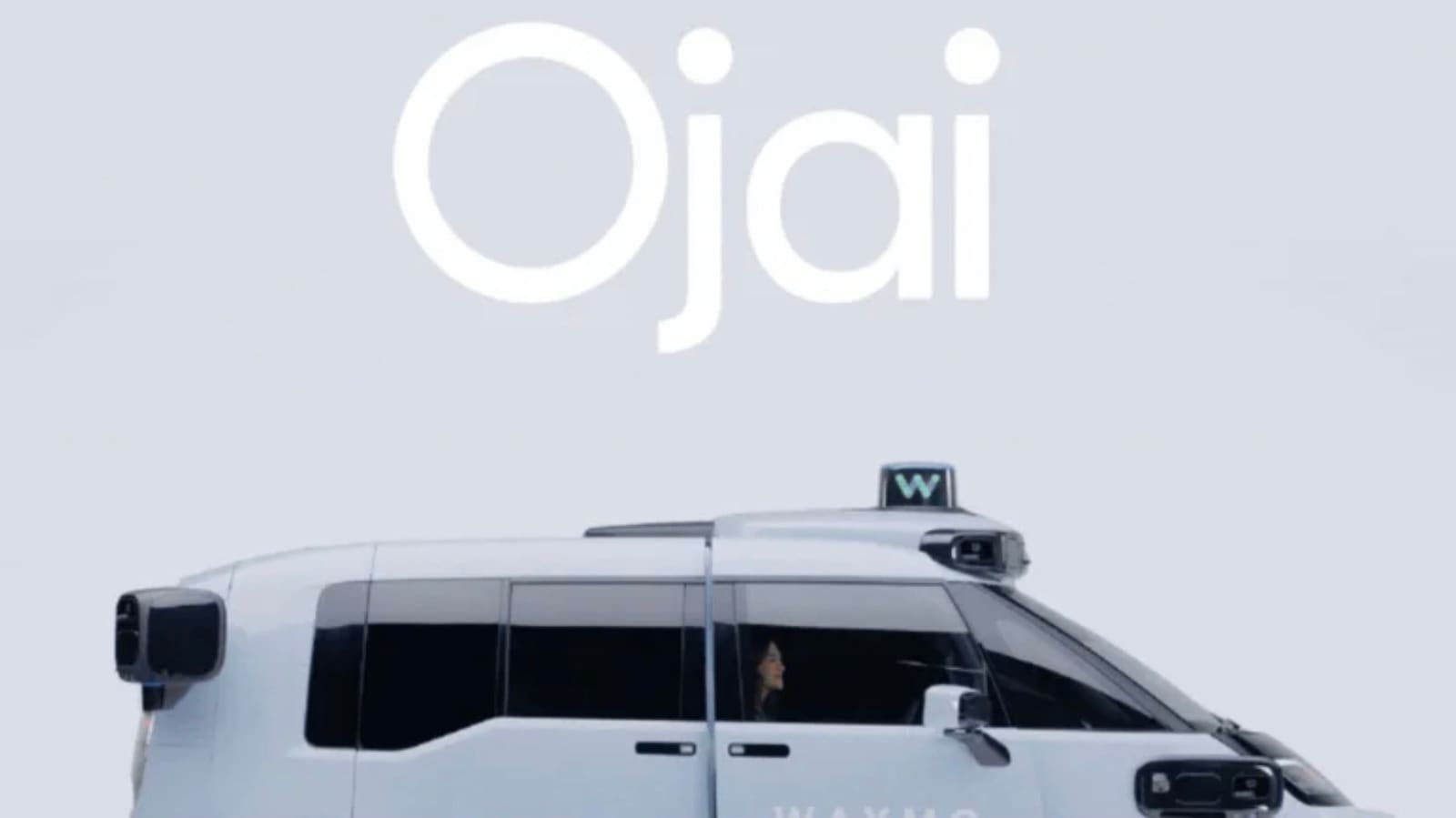
Full Access to Larger Format
Waymo has removed access restrictions on its Ojai van model, opening the vehicle type to all customers across its three primary operating markets: San Francisco, Phoenix, and Los Angeles. The move completes a phased deployment that began earlier in 2026 with select rider groups.
The Alphabet subsidiary positioned the larger vehicle format as a capacity expansion, emphasizing interior space and in-vehicle entertainment systems designed for backseat passengers. Where Waymo's standard Jaguar I-PACE fleet seats up to four, the purpose-built Ojai vans offer additional room for groups, luggage, or riders prioritizing comfort over the compact sedan experience.
At DailyTechWire, we've tracked the slow but deliberate pace of autonomous vehicle operators as they scale both geography and vehicle mix. Waymo's decision to graduate the Ojai from pilot to general availability signals confidence in the hardware and routing software, even as the broader industry grapples with edge-case failures that have historically plagued driverless deployments.
Capacity Versus Geography
The van rollout arrives in the same week Waymo secured regulatory clearance to operate in Sacramento and San Diego, adding two more California metro areas to its footprint. The dual announcements reflect a strategy of deepening vehicle options in mature markets while simultaneously expanding the geographic perimeter.
For riders, the practical difference is straightforward: when requesting a trip through the Waymo One app, the system may now dispatch an Ojai van depending on availability, route, and passenger count. The vans are not user-selectable as a separate tier; they enter the general dispatch pool alongside the sedan fleet.
The name Ojai, borrowed from a small city northwest of Los Angeles, carries a note of irony. Waymo does not yet operate in Ojai itself, and the mountainous, two-lane roads connecting the town to the wider region remain outside the geofenced zones where the company's vehicles are permitted to drive autonomously.
Freeway Friction and Recall Context
The expanded van access comes against a backdrop of operational turbulence earlier this year. In May, Waymo suspended highway driving across its fleet and issued a recall after multiple vehicles entered active construction zones on freeways, misinterpreting lane closures and temporary signage. The incidents, which involved no injuries but prompted regulatory scrutiny, forced the company to pull back a feature it had introduced the previous November.
Highway access was restored in July following software updates and additional mapping work. The recall and suspension represented one of the most visible setbacks for Waymo since it began commercial operations, underscoring the brittleness of perception systems when confronted with dynamic road environments that deviate from baseline map data.
The Ojai vans, which share the same sensor suite and software stack as the rest of the fleet, were subject to the same restrictions during the freeway suspension period. Their return to full service, including highway-capable routes, coincides with the broader fleet's reinstatement.
Fleet Mix and Economics
Purpose-built vehicles like the Ojai represent a longer-term bet for autonomous operators. Where Waymo's Jaguar sedans are retrofitted with sensor pods and compute hardware, the Ojai vans are designed from the ground up for driverless operation, eliminating redundant controls and optimizing interior layout for passenger experience rather than driver ergonomics.
The economics of running a larger vehicle are less favorable on a per-trip basis, given higher acquisition costs, energy consumption, and maintenance overhead. But vans unlock revenue opportunities that sedans cannot address: airport runs with multiple passengers and luggage, group outings, and accessibility use cases that benefit from step-in height and interior space.
Waymo has not disclosed the size of its Ojai fleet or the ratio of vans to sedans in each city. The company's total fleet across all markets is estimated in the low thousands, with the majority still comprising the Jaguar I-PACE platform.
Market Position and Competitive Pressure
Waymo's move to diversify its vehicle mix comes as competitors intensify their own deployments. Cruise, the General Motors subsidiary, has resumed limited operations in select cities after its own suspension last year. Zoox, owned by Amazon, continues testing in Las Vegas and has signaled intentions to launch commercial service with its bidirectional, purpose-built shuttle. Tesla's Full Self-Driving software, while not yet autonomous in the regulatory sense, is being pitched as a future robotaxi enabler.
The autonomous ride-hailing market remains nascent, with total annual trips across all operators still measured in the single-digit millions. But the capital committed by Alphabet, GM, Amazon, and others reflects a conviction that the unit economics will eventually favor driverless fleets over human-driven alternatives, particularly in dense urban corridors where labor costs dominate operating expenses.
For now, Waymo's incremental expansions, both in vehicle type and city count, represent the patient, capital-intensive path that characterizes the sector. The Ojai vans are not a breakthrough; they are a line extension. But in a market where progress is measured in geofenced square miles and regulatory approvals, line extensions matter.