Waymo Pulls Freeway Access After Software Flaw Surfaces in Construction Zones
The robotaxi operator has filed a voluntary software recall covering its entire fleet, marking the third such action in two months as autonomous driving scales onto high-speed roads.
The Trigger
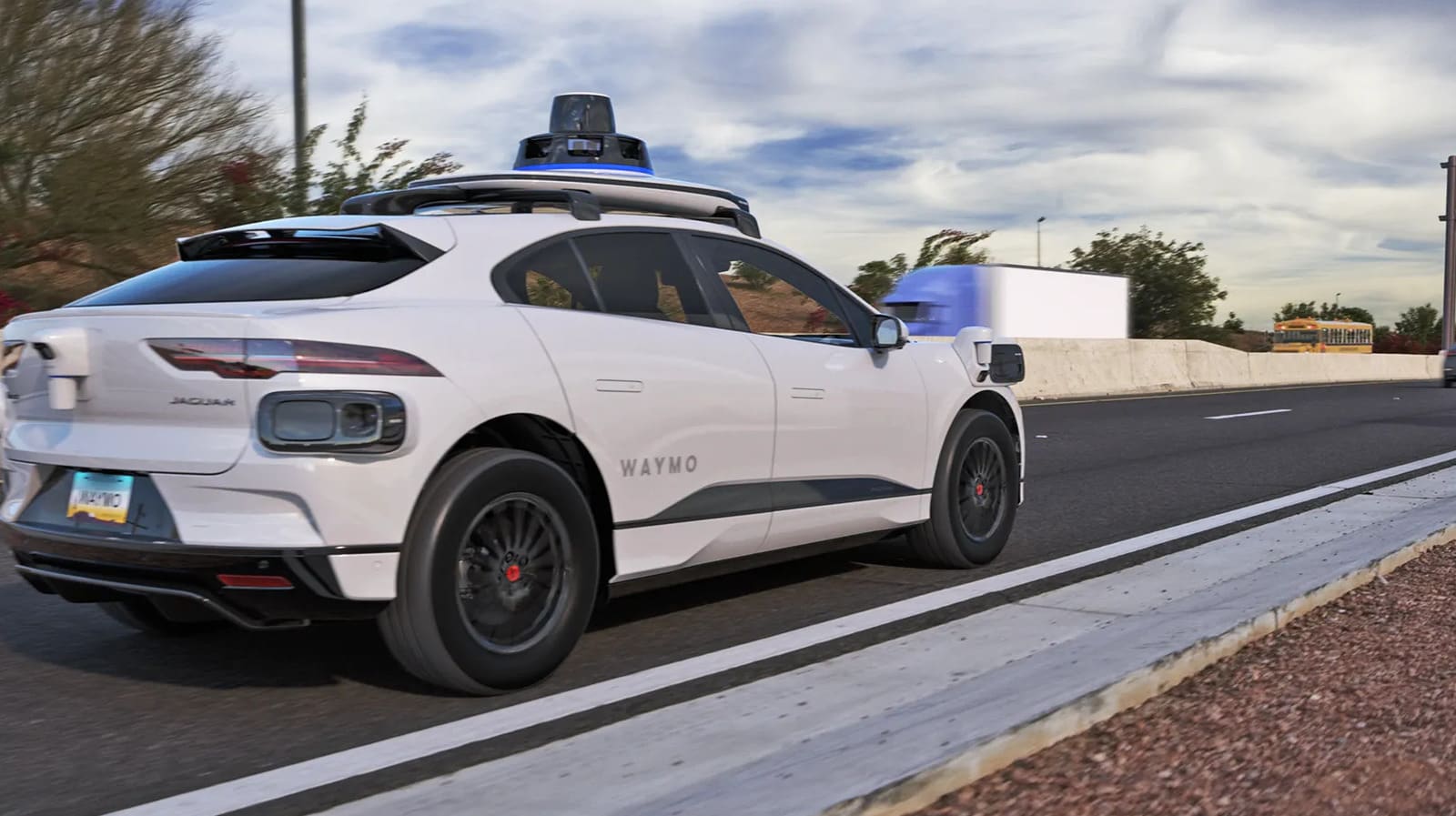
Waymo has filed a voluntary software recall covering more than 3,800 robotaxis after its engineers identified a flaw that could cause vehicles to enter closed freeway construction zones at highway speed. The company has temporarily restricted freeway operations across its fleet while it develops and deploys a fix, according to a National Highway Traffic Safety Administration bulletin.
The recall marks the third time in just over two months that the Alphabet-owned operator has filed a software notice with federal regulators. Unlike traditional automotive recalls, these filings signal an over-the-air update is coming rather than a physical trip to the shop. Still, the frequency and the nature of the issues raise questions about how autonomous systems handle edge cases at the boundaries of their training data, particularly as operators push beyond controlled urban grids onto faster, more complex infrastructure.
Waymo confirmed the issue in a statement but emphasized the proactive nature of the filing. No collision or injury tied to the construction-zone behavior has been disclosed, and it remains unclear whether an incident occurred or whether the flaw was caught during internal testing or fleet monitoring.
Freeway Autonomy, Faster Iteration
Waymo's Jaguar I-Pace fleet began operating on Phoenix-area freeways in 2024, initially with employees aboard and later with paying passengers. The expansion was a milestone for the company, which had previously limited freeway driving to test scenarios with safety drivers present. At the time, Waymo published video demonstrations of its vehicles merging, lane-changing, and navigating exit ramps at speeds up to 65 miles per hour.
The move to freeways represented both a commercial opportunity and a technical challenge. Highway driving demands different perceptual and planning behaviors than urban streets. Lanes are wider, speeds are higher, and the margin for error shrinks. Construction zones add another layer of complexity: temporary barriers, shifted lane markings, and reduced sight lines that can confuse even human drivers. For a vision-and-lidar system trained on millions of miles of data, novel configurations can still trigger unexpected behavior.
At DailyTechWire, we've tracked the cadence of autonomous-vehicle software updates across the industry, and the pattern is clear: as fleets scale and operating domains expand, the rate of edge-case discovery accelerates. The question is whether operators can iterate faster than the long tail of rare scenarios unfolds.
A Cluster of Corrections
The construction-zone recall follows two other voluntary filings in quick succession. In May, Waymo recalled 3,791 vehicles after one drove onto a flooded road in San Antonio and was swept away by the current. The vehicle was unoccupied, and no injuries occurred, but the incident highlighted gaps in how the system assessed road conditions during severe weather.
Before that, the fleet was recalled after multiple vehicles failed to yield to school buses with stop signs extended and lights flashing. That issue was particularly sensitive given the presence of children and the clear, legally mandated behavior required of all drivers.
Taken together, the three recalls sketch a picture of an operator pushing hard on geographic and operational expansion while encountering scenarios that slip through validation pipelines. None of the issues caused serious injury, but each revealed a class of perception or decision-making failure that had not been fully anticipated.
The Safety Denominator
Waymo has consistently pointed to aggregate safety data to contextualize these incidents. On its public safety page, the company reports that its fleet has been involved in 92 percent fewer crashes resulting in serious injury or worse compared to human drivers, and 92 percent fewer pedestrian crashes, according to Waymo.
Those figures are drawn from millions of autonomous miles and benchmarked against human crash rates in comparable geographies. The methodology has been debated, critics noting differences in trip types, speeds, and exposure, but the directional claim holds: on a per-mile basis, Waymo's vehicles appear safer than the average human driver in the domains where they operate.
Yet safety is not a binary. As the fleet moves onto freeways, into new weather conditions, and into cities with different infrastructure and driving cultures, the denominator changes. A system that performs well in sunny Phoenix suburbs may encounter new failure modes in flooded Texas roads or construction-heavy freeway corridors. The question for regulators and the public is whether the rate of learning and patching keeps pace with the rate of deployment.
What Comes Next
Waymo's decision to restrict freeway operations while it refines the software is a conservative move, one that prioritizes caution over revenue. The company has not disclosed how long the restriction will remain in place or how many trips have been affected. For passengers who have come to rely on robotaxi service that includes freeway segments, the limitation may mean longer routes or unavailable trips.
The broader implication is that autonomous driving remains an iterative product, not a finished one. Software recalls will likely become routine as fleets grow and encounter the full diversity of real-world conditions. The challenge for operators like Waymo is to maintain public confidence while navigating that learning curve, demonstrating that each recall reflects diligence rather than systemic fragility.
For now, the construction-zone flaw is being patched, the fleet is back under tighter operational constraints, and federal regulators have been notified. The next test will be whether Waymo can return to freeway operations without another round of edge-case surprises, and whether the pace of these corrections slows as the training set matures. In a domain where trust is built mile by mile, every recall is both a course correction and a reminder that the road to full autonomy is longer than the early maps suggested.