Tesla's Cybercab Faces Federal Scrutiny Hours After Austin Launch
NHTSA opens investigation into the autonomous vehicle's self-certification, questioning whether Tesla bypassed safety standards designed for traditional controls.
A Rapid Regulatory Response
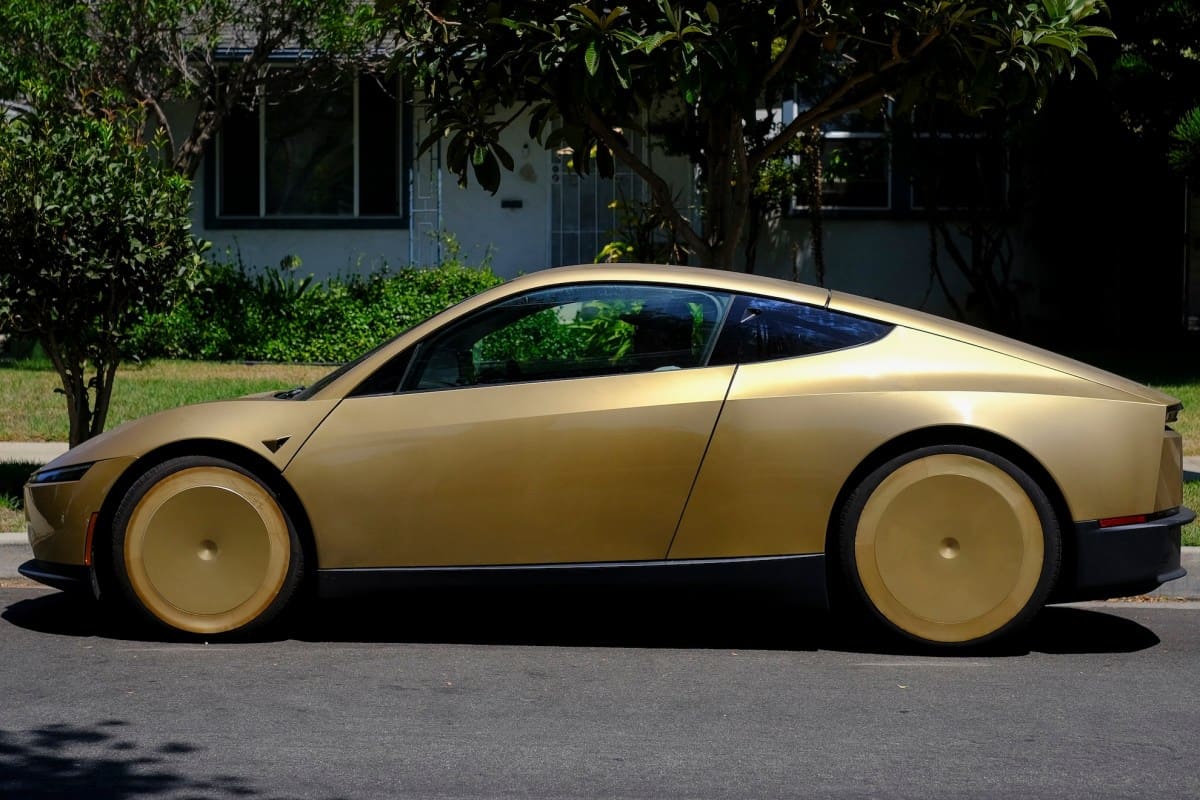
Tesla's rollout of its Cybercab autonomous vehicle in Austin hit an immediate regulatory snag. The National Highway Traffic Safety Administration opened an investigation Friday morning, mere hours after the first vehicles without steering wheels or pedals began operating on Texas streets. The timing underscores a tension that has defined autonomous vehicle deployment in the United States: how quickly can companies move versus how thoroughly regulators must review.
Administrator Jonathan Morrison framed the inquiry as a necessary check rather than a roadblock. "NHTSA fully supports the safe development and deployment of automated vehicles. But as the federal regulator, we need to ensure that all of our laws are followed," Morrison stated, adding that the agency's approach aims to balance innovation with oversight while maintaining U.S. leadership in autonomous vehicle technology.
At the heart of the investigation lies Tesla's self-certification that the Cybercab complies with Federal Motor Vehicle Safety Standards. Automakers have historically certified their own compliance with these rules, a system built for an era when all vehicles had manual controls. The agency's filing indicates it will examine the technical data and process Tesla used to certify compliance, particularly focusing on whether the company determined certain federal motor standards simply do not apply to a vehicle designed to operate without human intervention.
The Zoox Precedent
This is not uncharted territory for NHTSA. In 2022, the agency opened a similar inquiry into Zoox, the Amazon-owned autonomous vehicle company, after it self-certified its cube-shaped robotaxi that also lacked steering wheels and pedals. What followed was a lengthy regulatory journey that offers a potential roadmap, or cautionary tale, for Tesla.
NHTSA issued a special order requesting information from Zoox, then formally launched an audit query in 2023 using the same process now applied to Tesla. While Zoox was still testing at the time, the investigation slowed its path toward commercial operations. The company maintained that self-certification was sufficient, but NHTSA granted only a demonstration exemption in 2025, not commercial approval.
Zoox subsequently filed for a temporary Part 555 exemption from eight Federal Motor Vehicle Safety Standards. Final approval came in July 2026, allowing the company to add 2,500 vehicles per year to its commercial fleet over two years. Zoox launched paid rides in Las Vegas weeks later, but the process consumed several years and required navigating two presidential administrations.
Competing Timelines and Political Contexts
Whether Tesla will face an equally protracted timeline remains uncertain. The current regulatory environment differs from the one Zoox encountered. NHTSA acknowledged Friday that it is actively revising portions of the Federal Motor Vehicle Safety Standards related to manual controls, aiming to "unleash American innovation and enhance safety on our roads." The agency stated it expects to finish these updates and remove what it termed "unnecessary barriers to American AV innovation" within months.
Yet the agency also made clear that existing standards remain in force until those revisions are complete. This creates a window of ambiguity. Tesla appears to have bet that self-certification would suffice, at least initially, for its Austin deployment. The company's calculation may have factored in the agency's public statements about forthcoming regulatory changes and a political climate increasingly focused on maintaining U.S. competitiveness in emerging technologies.
The investigation puts Tesla in a position where it may need to either pause deployments, seek a formal exemption similar to Zoox, or demonstrate that its self-certification process adequately addressed safety concerns even without traditional controls. Each path carries different timelines and risks.
Technical and Safety Questions
Current Federal Motor Vehicle Safety Standards were written with the assumption that vehicles would have brake pedals, steering wheels, and human drivers. When a vehicle lacks these entirely, questions multiply. How does emergency braking function? What happens if the autonomous system requests human intervention but no controls exist? How are crash safety standards applied when occupant positioning and vehicle architecture differ fundamentally from traditional designs?
Tesla's self-certification presumably addressed these questions by arguing certain standards are inapplicable or that the Cybercab meets the intent of safety requirements through alternative means. NHTSA's investigation will test the rigor of that reasoning. The agency has access to crash data, technical specifications, and testing results that the public does not, and its findings could set precedents for other companies developing vehicles without manual controls.
The regulatory scrutiny also arrives as autonomous vehicle companies across Asia and the United States race to scale commercial operations. Waymo operates paid robotaxi services in multiple U.S. cities with modified vehicles that still retain steering wheels and pedals. Chinese companies including Baidu's Apollo Go and Pony.ai have deployed thousands of autonomous vehicles, though largely in controlled environments or with safety drivers. Tesla's approach, deploying a purpose-built vehicle without manual controls directly into public streets, represents a more aggressive strategy.
What Comes Next
NHTSA's investigation does not automatically halt Cybercab operations, but it creates uncertainty for Tesla's expansion plans. If the agency determines the self-certification was insufficient, Tesla could face requirements to retrofit vehicles, limit deployment, or go through the formal exemption process. The company might also face fines if NHTSA concludes it violated existing safety standards.
The broader question extends beyond Tesla. As NHTSA works to update regulations for an autonomous future, how it handles this investigation will signal to the industry whether self-certification remains viable for radically different vehicle designs or whether formal exemptions will become the default path. The Zoox case suggested the latter, but Tesla's higher profile and the shifting regulatory timeline could produce a different outcome.
For now, Tesla's Cybercabs continue operating in Austin while federal investigators review the data. The coming months will reveal whether the company's bet on self-certification was prescient timing or regulatory overreach, and whether the United States can indeed balance the innovation Morrison described with the safety oversight his agency is mandated to provide.