Tencent Cuts Kuaishou Stake by 40% Days After Backing $3B Kling AI Round
The move drops Tencent below substantial shareholder threshold at Kuaishou even as it leads a massive financing for the platform's AI video arm, raising questions about strategic priorities in China's generative AI race.
The Paradox Trade
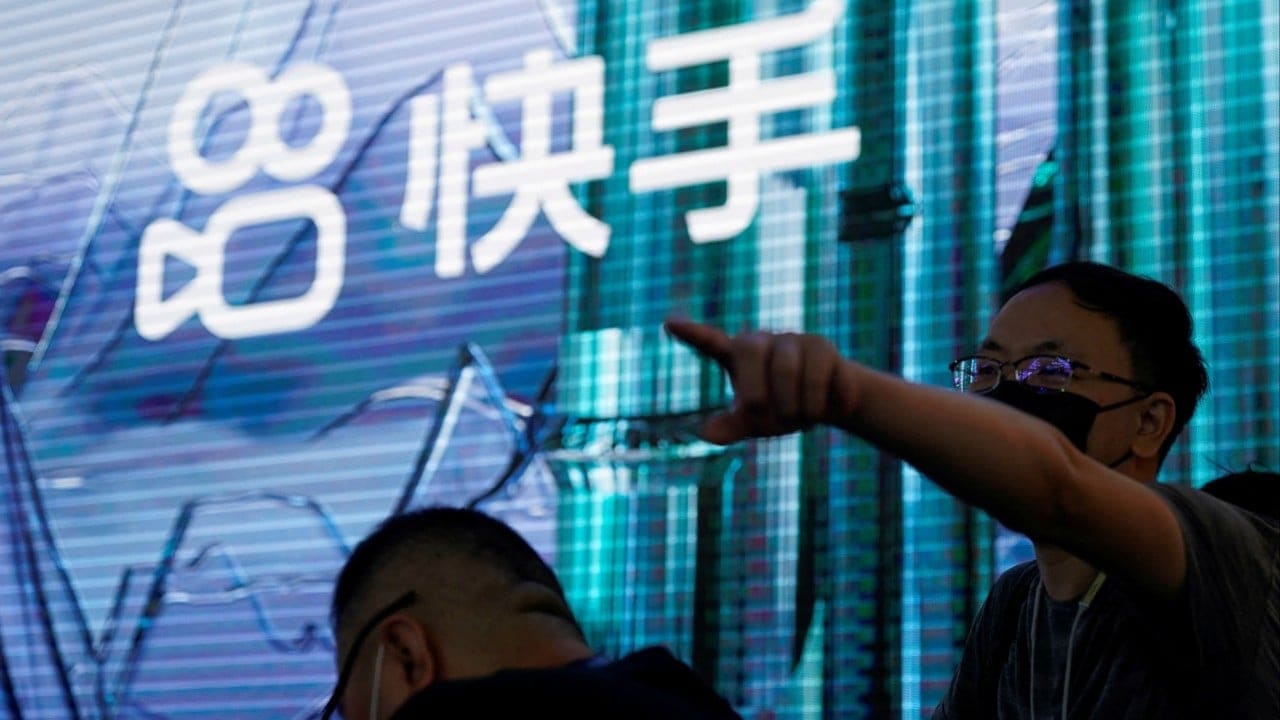
Tencent Holdings sold 273 million Class B shares in Kuaishou Technology this week, cutting its stake from 15.68 percent to 9.37 percent and relinquishing its status as a substantial shareholder. The timing is striking: the divestment came just days after Tencent led a $3 billion financing round for Kling AI, Kuaishou's standalone artificial intelligence video unit.
Kuaishou's stock fell more than 6 percent in Tuesday morning trading in Hong Kong following disclosure of the transaction. For investors tracking capital flows in China's generative AI sector, the dual move presents a puzzle. Why would Tencent double down on an AI subsidiary while simultaneously retreating from the parent company that incubated it?
At DailyTechWire, we've followed the increasing separation between AI model development and the platforms that birth them across the region. The Kuaishou case offers a clear example: Tencent appears to be betting that Kling's text-to-video and image generation technology holds more strategic value as a horizontal play than Kuaishou's short-video platform does as a locked ecosystem.
Kling AI as the Breakout Asset
Kling AI emerged from Kuaishou's research labs but has been positioned as an independent entity capable of serving customers far beyond its parent's user base. The unit's models compete directly with offerings from Runway, Pika, and ByteDance's own video generation tools. By structuring Kling as a separate financing vehicle, Kuaishou and its backers can attract capital specifically earmarked for AI infrastructure rather than content platform growth.
The $3 billion round Tencent led values Kling at a level that reflects enterprise and developer adoption potential, not just in-app engagement metrics. This mirrors patterns we've seen with other carve-outs in the region: SenseTime's spin from Alibaba-backed origins, or the way Samsung has structured its foundry and AI chip divisions to court external clients alongside internal consumption.
For Tencent, the Kling investment may represent a hedge. If text-to-video generation becomes table stakes across social platforms, gaming engines, and advertising creative workflows, owning a stake in a horizontal model provider offers more upside than holding equity in a single distribution channel, even one with hundreds of millions of daily active users.
Why Divest the Platform Now
Kuaishou has long occupied an ambiguous position in Tencent's portfolio. The short-video app competes obliquely with WeChat Channels, Tencent's own short-form video product embedded in its ubiquitous messaging platform. While Tencent has historically maintained investments in rival properties, including stakes in both JD.com and Pinduoduo despite their overlap, regulatory scrutiny of cross-holdings has intensified.
Chinese authorities have pushed tech conglomerates to unwind interlocking stakes that could stifle competition or create systemic risk. Tencent's reduction below the 10 percent substantial shareholder threshold may be a preemptive compliance move, particularly as Kuaishou's AI unit attracts new capital and governance attention.
There's also a portfolio rebalancing angle. Tencent has been shedding non-core holdings to reinvest in gaming, enterprise software, and AI infrastructure. The Kuaishou sale frees up capital at a moment when Tencent is expanding its own large language model, Hunyuan, and building out cloud AI services that will compete for the same enterprise budgets Kling is targeting.
The divestment doesn't sever the relationship. Tencent remains a shareholder, albeit a smaller one, and its participation in the Kling round suggests continued collaboration on model integration, cloud deployment, or joint go-to-market efforts. But the center of gravity has shifted from platform equity to model access.
Regional Echoes
The Kuaishou-Kling structure is part of a broader reconfiguration across Asian tech. In Seoul, Naver spun out its AI research arm as a separately funded entity to attract sovereign and strategic investors wary of being locked into a single consumer internet platform. In Singapore, Sea Group has explored similar separations between its Shopee e-commerce engine and its AI-driven logistics and credit-scoring tools.
The logic is consistent: AI models, especially generative ones with horizontal application, command higher multiples and more flexible capital than consumer platforms do in the current cycle. Venture and growth-stage investors in the region have told us they're more willing to back model layers and inference infrastructure than to add exposure to user-facing apps competing in saturated attention markets.
Kling's $3 billion raise also underscores how quickly Chinese AI labs can mobilize capital despite export controls on advanced chips and U.S. scrutiny of outbound investment. The round was reportedly oversubscribed, with participation from domestic funds, state-backed vehicles, and regional tech conglomerates. That appetite reflects confidence in China's ability to train and deploy competitive models on domestically available hardware, even if frontier performance lags behind OpenAI or Google in some benchmarks.
What Tencent's Playbook Reveals
Tencent's dual move, investing heavily in Kling while trimming Kuaishou equity, reveals a portfolio strategy increasingly common among Asia's internet majors: prioritize infrastructure over apps, tools over traffic. The company has made similar bets in gaming engines, cloud services, and enterprise collaboration software, areas where unit economics and defensibility look stronger than in consumer social products facing regulatory headwinds and user fatigue.
For founders and investors watching the region, the lesson is that strategic capital is migrating toward the model and middleware layer. Platforms that can carve out their AI capabilities as standalone, licensable products may find it easier to raise growth rounds and attract marquee backers than those that bundle intelligence tightly into a single consumer experience.
The Kuaishou share price reaction suggests the market isn't sure whether the Kling spin-out and Tencent's retreat are net positives. In the near term, losing a major shareholder and anchor investor creates uncertainty. Over a longer horizon, if Kling captures meaningful enterprise revenue and cross-platform licensing deals, the separation could unlock value that a unified structure would have left trapped.
Either way, the transaction offers a snapshot of how China's tech giants are navigating a new phase: less about owning distribution, more about controlling the models that power it.