Microsoft Cuts 3,200 Xbox Jobs and Divests Five Studios in Division Reset
New CEO Asha Sharma implements sweeping restructuring following admission of "hard truths" about gaming unit performance
The Scale of the Cuts
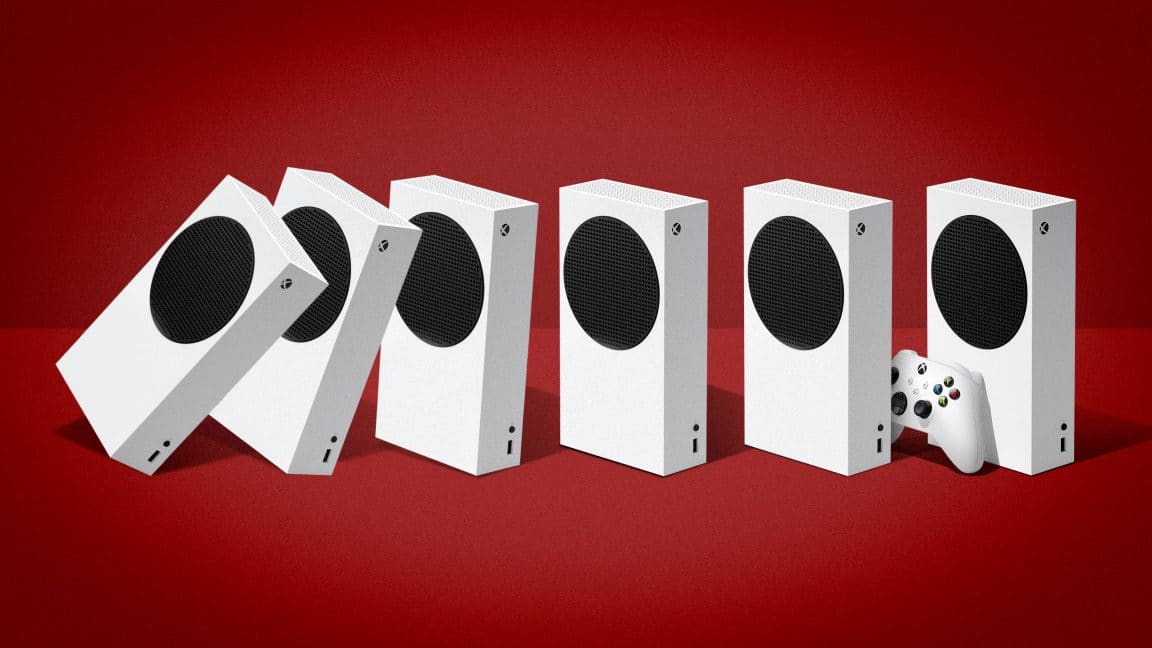
Microsoft has initiated one of the most dramatic contractions in console gaming history, with 3,200 employees losing their jobs at Xbox and five studios being divested after years of acquisition strategy. Half of those job eliminations took effect immediately, while the remainder will be phased out through June 2027.
The headcount reduction represents approximately one-fifth of the Xbox division's total workforce, a figure that underscores just how deeply the restructuring cuts. For context, this is among the largest single-division contractions Microsoft has executed in recent memory, dwarfing the gradual trimming seen in other business units.
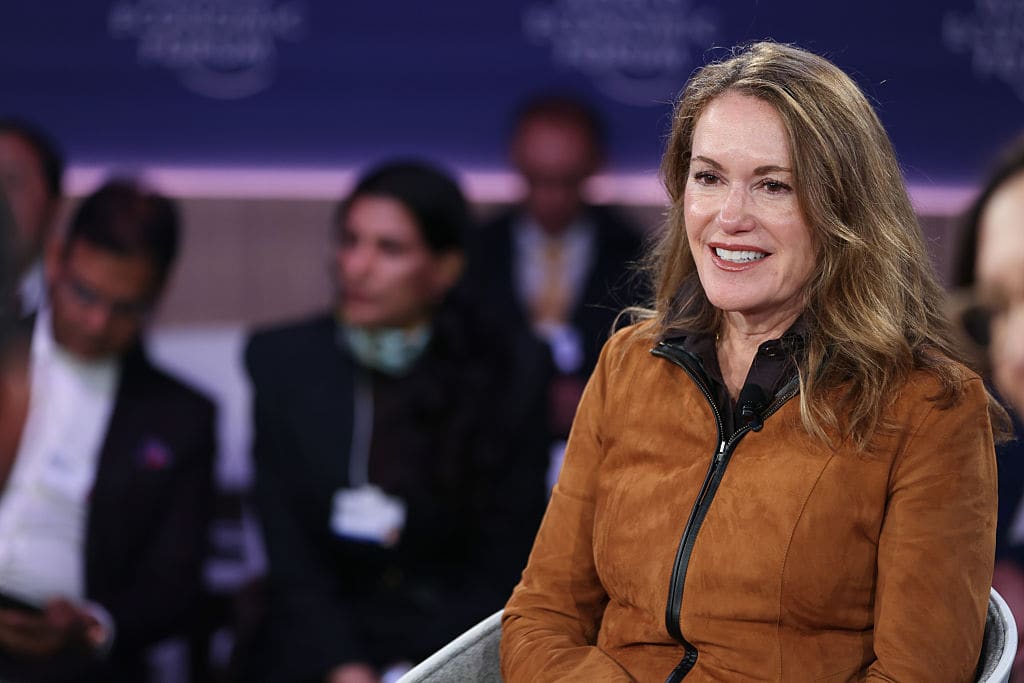
New Xbox CEO Asha Sharma, who took the helm amid growing pressure from Redmond to demonstrate a path to profitability, communicated the decision directly to staff. The announcement follows a candid admission last month that the gaming unit faced "hard truths" requiring a fundamental "Xbox reset." At the time, executives offered few specifics. Today's announcement provides the brutal arithmetic.
Beyond Gaming: Microsoft's Broader Workforce Strategy
The Xbox cuts are part of a wider Microsoft workforce adjustment that includes 1,600 layoffs across other divisions, bringing the company-wide total to 4,800 departures. That figure amounts to just over two percent of Microsoft's global headcount, a relatively modest share that reflects the concentration of pain within Xbox rather than a broad corporate retrenchment.
What makes the picture more complex is that Microsoft's overall employee count has remained relatively flat, thanks to continued hiring in cloud infrastructure, AI research, and enterprise software. The company is reallocating human capital, not shrinking wholesale. Xbox, in effect, is funding other bets.
This dynamic is familiar to anyone tracking the tech giants' pivot toward generative AI and large-language models. Gaming, once seen as a strategic pillar for Microsoft's consumer ambitions, is now being squeezed to free up resources for higher-margin, faster-growing businesses. At DailyTechWire, we've observed similar portfolio reshuffles at Alphabet, Meta, and Amazon over the past 18 months, each time with legacy or underperforming units bearing the brunt.
The Studio Divestments: Reversing Years of M&A
The decision to divest five studios is particularly striking given Microsoft's acquisition spree over the past half-decade. The company spent billions assembling a portfolio of game developers, from indie darlings to mid-tier publishers, betting that exclusive content would drive Game Pass subscriptions and hardware sales. That thesis has not played out as planned.
While Microsoft has not yet named the five studios being offloaded, industry observers expect the list to include smaller teams acquired in the 2020-2023 window, many of which have struggled to ship titles on schedule or achieve commercial traction. The divestment strategy suggests Microsoft is abandoning the "more is more" approach to first-party content in favor of a leaner, hit-driven model.
The implications extend beyond Xbox. For studios being divested, the question is whether they can survive as independents or will be absorbed by rival platform holders, private equity, or regional gaming conglomerates in China, South Korea, or the Middle East. For remaining Xbox studios, the message is clear: deliver blockbusters or face similar fates.
What the Reset Means for Xbox's Market Position
Xbox has long trailed Sony's PlayStation in hardware sales and exclusive-title mindshare, a gap that widened during the current console generation despite Microsoft's aggressive Game Pass pricing and day-one releases. The company's $69 billion acquisition of Activision Blizzard, completed in late 2023, was supposed to change the calculus by bringing Call of Duty, Diablo, and World of Warcraft into the Xbox ecosystem. Instead, it appears to have accelerated internal scrutiny of the gaming division's economics.
The "reset" articulated by Sharma and her executive team is likely to emphasize profitability over market-share growth. That could mean fewer experimental titles, longer development cycles for AAA franchises, and a sharper focus on monetization within Game Pass. It may also signal a retreat from hardware ambitions; Microsoft has already hinted at a more platform-agnostic future, with Game Pass expanding to smart TVs, mobile devices, and even rival consoles.
For competitors, the reset creates both opportunity and caution. Sony and Nintendo may gain ground in exclusive content and developer relationships, but they also face a reminder that even the deepest-pocketed platform holder can stumble when unit economics deteriorate. Tencent, NetEase, and other Asian gaming giants, meanwhile, may find acquisition targets among the divested studios or talent pool.
The Human Cost and Industry Ripple Effects
Beyond the corporate strategy, 3,200 people are navigating sudden unemployment in a gaming labor market that has seen wave after wave of layoffs since early 2023. Developers, artists, producers, and support staff who joined Microsoft with the promise of stability now face the reality that even a trillion-dollar parent company offers no insulation from restructuring.
The broader industry is watching closely. If Microsoft, with its vast resources and multi-decade commitment to gaming, is pulling back this hard, what does that mean for smaller publishers and independent studios? The answer, increasingly, is consolidation or closure. Venture funding for gaming startups has contracted sharply, and the traditional publishing model is under pressure from free-to-play, live-service, and user-generated-content platforms.
At the same time, the talent being released from Xbox will flow somewhere. Some will land at rival platform holders, others at mobile-first studios or Web3 gaming ventures. A portion will strike out as independents, armed with severance packages and a renewed appetite for creative control. The net effect may be a more distributed, less platform-centric gaming ecosystem, though the transition will be painful.