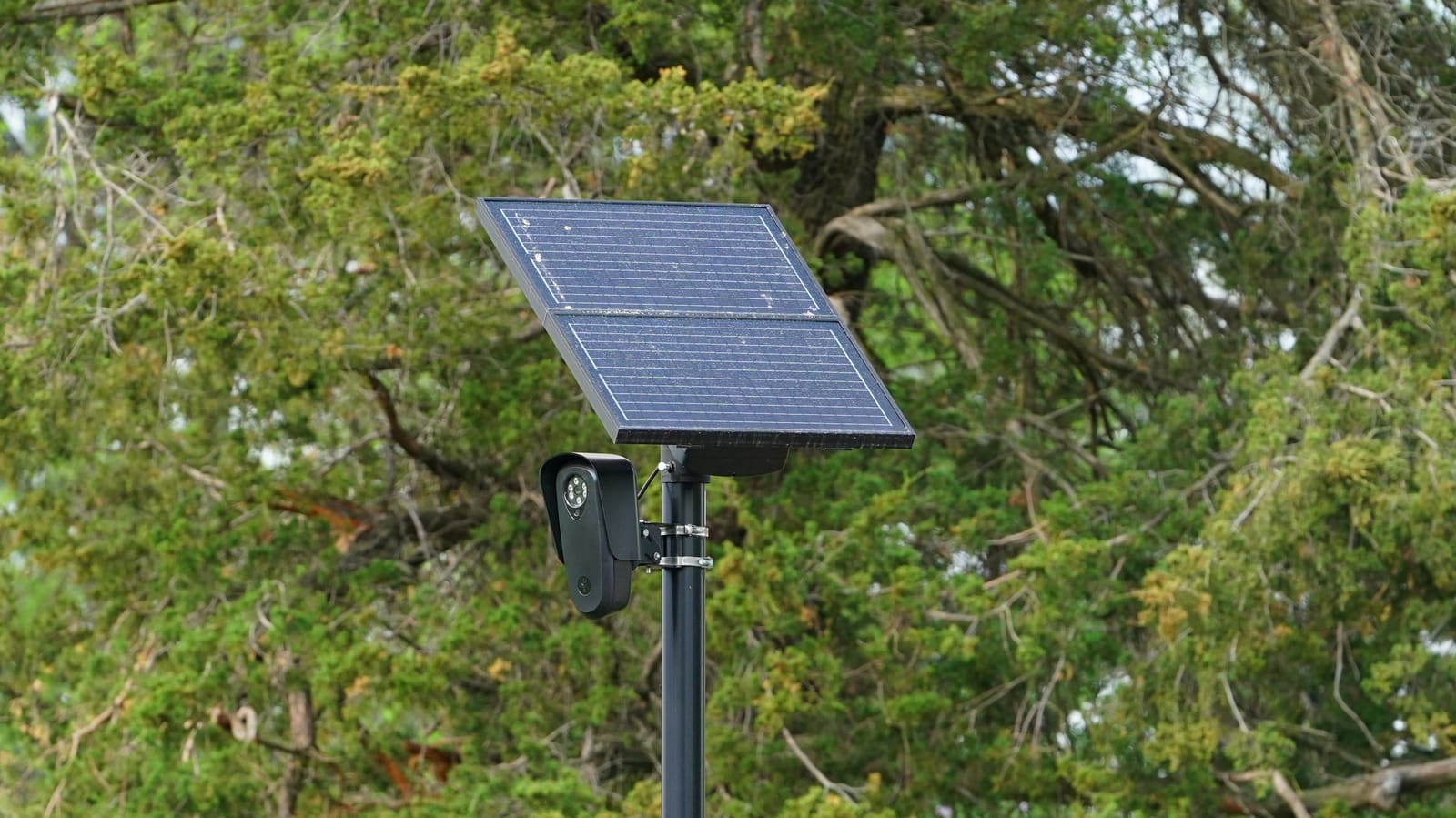
Surveillance Cameras Face Mounting Resistance Across the US
Communities are pulling back from AI-powered license plate readers as privacy concerns and data security failures force cities to rethink automated tracking infrastructure

A Network Under Scrutiny
More than 120,000 automated license plate reader cameras have been deployed across the United States, creating a vast infrastructure capable of tracking vehicles through neighborhoods, highways, and city streets. These systems capture not just plate numbers but vehicle characteristics - make, model, color, distinctive features - and connect that data across geographic boundaries to map movement patterns throughout the day.
Yet the rapid expansion of this surveillance layer is now colliding with public resistance. Dozens of municipalities have terminated their contracts or powered down existing installations, with Los Angeles among the most prominent to suspend operations. At DailyTechWire, we've tracked similar reversals in jurisdictions from suburban townships to major metropolitan areas, a pattern that suggests the initial enthusiasm for automated tracking is giving way to harder questions about oversight and abuse.
The Technical Architecture of Mass Tracking
Automatic license plate recognition systems represent a convergence of computer vision, edge processing, and networked databases. Cameras mounted on poles or patrol vehicles capture images at highway speeds, applying AI models to extract alphanumeric sequences and vehicle metadata in real time. The data flows into centralized platforms where law enforcement and authorized users can query historical movements, set alerts for specific plates, or reconstruct travel routes across multiple jurisdictions.
The technical capability is formidable: a single camera can log thousands of vehicles daily, and when networked with installations in neighboring towns or counties, the system becomes a time-stamped record of where vehicles - and by extension, their occupants - have been. This granularity distinguishes modern ALPR from earlier surveillance tools; it creates a retroactive search function for physical movement, accessible long after the fact.
Why Communities Are Pulling Back
The wave of cancellations and suspensions stems from several converging concerns. Data security has emerged as a flashpoint after reports surfaced that camera feeds were accessible without proper authentication, allowing anyone with the right web address to view live surveillance streams. Separately, questions arose about whether footage was being reviewed by overseas annotation contractors, raising jurisdictional and chain-of-custody issues for evidence that might later appear in court.
Privacy advocates have also highlighted the asymmetry inherent in these systems: they log the movements of all vehicles, not just those connected to investigations, creating a database of ordinary citizens' routines. The Los Angeles Police Department's decision to suspend its program reflects this tension. Officials there cited the need for clearer policies on data retention, access controls, and permissible use cases before resuming operations.
The Ring Partnership and Its Collapse
Earlier this year, Amazon's Ring division announced a collaboration to integrate ALPR data with its neighborhood safety platform, a move that would have extended tracking capabilities into the consumer IoT ecosystem. The partnership dissolved within weeks following online backlash. Ring framed the reversal as a pause for further exploration, but the speed of the retreat underscored how quickly public sentiment can shift when surveillance tools cross perceived boundaries.
The episode also illustrated a broader challenge for companies operating in this space: the line between public safety tool and pervasive monitoring system is porous, and partnerships that seem operationally logical can trigger immediate resistance when they make abstract surveillance feel personal. Ring's existing footprint in residential doorbells and cameras already generates debates about neighborhood watch culture; adding license plate tracking to that mix proved a bridge too far for many users.
Data Access and the Stalking Problem
One of the more troubling vectors that has emerged involves misuse by individuals with legitimate access credentials. Reports have documented cases where ALPR systems were used to track ex-partners, estranged family members, or other targets of personal interest - a predictable outcome when powerful search tools are distributed to large pools of users without robust auditing. The phenomenon mirrors earlier scandals involving police databases and DMV records, but the real-time, location-specific nature of ALPR data makes the harm more immediate.
This problem is not easily solved through policy alone. Even with strict use guidelines, the technical architecture of these platforms makes it difficult to distinguish between a legitimate investigative query and a privacy violation until after the fact. Some jurisdictions have implemented audit logs and random compliance reviews, but enforcement remains inconsistent, and the penalties for misuse are often administrative rather than criminal.
The Asia Angle: Export and Adoption Patterns
While the current backlash is concentrated in North American markets, the technology itself draws on supply chains and expertise distributed across Asia. Camera hardware, AI inference chips, and annotation labor all have roots in the region's manufacturing and tech services hubs. South Korea and Taiwan supply sensor components; Chinese firms have developed parallel ALPR systems for domestic smart-city projects; and annotation work has reportedly been outsourced to contractors in Southeast Asia.
This global dimension complicates governance. Data captured on American streets may pass through servers or human reviewers in jurisdictions with different privacy standards, creating legal ambiguities and enforcement gaps. For policymakers trying to regulate ALPR, the challenge is not just setting rules for municipal contracts but ensuring those rules hold across the entire data lifecycle.
What Comes Next
The current wave of cancellations does not signal the end of automated vehicle surveillance, but it does mark a shift from uncritical adoption to contested deployment. Cities that proceed with ALPR programs are now expected to articulate clear retention limits, public reporting on usage, and mechanisms for independent oversight. Some jurisdictions are exploring hybrid models that allow real-time alerts for specific investigative needs without retaining bulk historical data.
Technology providers, meanwhile, face pressure to redesign systems with privacy as a core constraint rather than an afterthought. This might include on-device processing that discards non-match data immediately, cryptographic controls that prevent bulk exports, or federated architectures that keep data siloed by jurisdiction. Whether the industry will embrace these changes voluntarily or under regulatory compulsion remains an open question.
For now, the trajectory is clear: communities are demanding a say in how - and whether - they are tracked, and the easy consensus that once surrounded these tools has fractured. The next chapter will be written by city councils, privacy advocates, and technologists willing to build systems that serve investigative needs without creating permanent records of everyone's movements.