Flock Safety Tightens Controls After Years of Police Surveillance Abuse
The license plate camera vendor now mandates audit logs and case codes, but critics say the changes come late and leave loopholes wide open.
A Belated Response to a Known Problem
Flock Safety has announced a suite of policy changes intended to curb misuse of its automated license plate readers by law enforcement, five years after the first documented cases of officers using the platform to stalk individuals. The Atlanta-based vendor now requires all users to log case codes before running searches and has made its Audit Assistance feature mandatory rather than optional. The tool flags unusual search patterns and locks accounts pending administrator review.
The timing is striking. Flock turns ten next year, and complaints about officer misconduct tied to its cameras have circulated since at least 2021. Communities across the United States have reported incidents in which police used the platform to monitor ex-partners, conduct warrantless surveillance, and track individuals across state lines for activities that are legal in their destination states.
CEO Garrett Langley acknowledged the delay in a statement, describing the new requirements as "such an obvious way to curb abuse" and admitting the company "got this one wrong." The shift in tone marks a departure from Langley's earlier combative stance toward critics. In the past, he labeled a camera-tracking website "terroristic," language for which he later apologized.
What Actually Changes
Under the new policy, officers must enter a case number tied to an active investigation before querying Flock's database. Administrators can override this requirement in unspecified scenarios, a caveat that civil liberties groups will likely scrutinize. The Audit Assistance system, previously an opt-in tool, now activates by default and watches for patterns such as repeated searches on the same plate, off-duty queries, or access to records unrelated to an officer's jurisdiction.
Flock is also shortening its data retention window from thirty days to seven for new customers. Existing customers, however, can retain their "democratically approved retention periods," a carve-out that effectively grandfathers in longer storage timelines. The company says exceptions will apply to "active investigations" and "cold storage" cases, though it has not published clear definitions for either category.
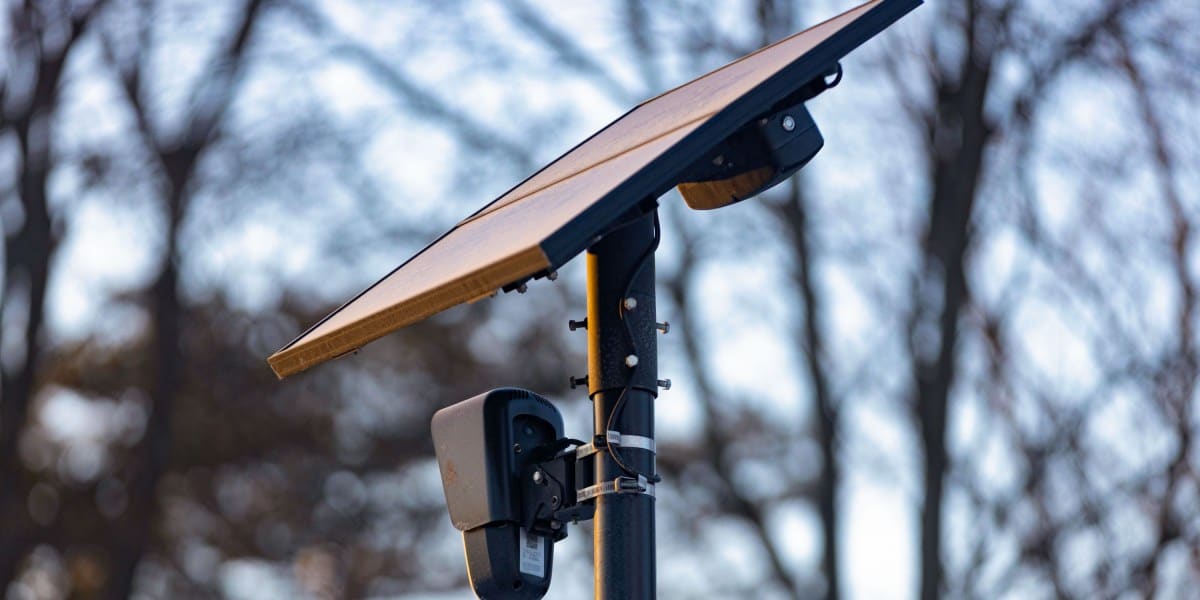
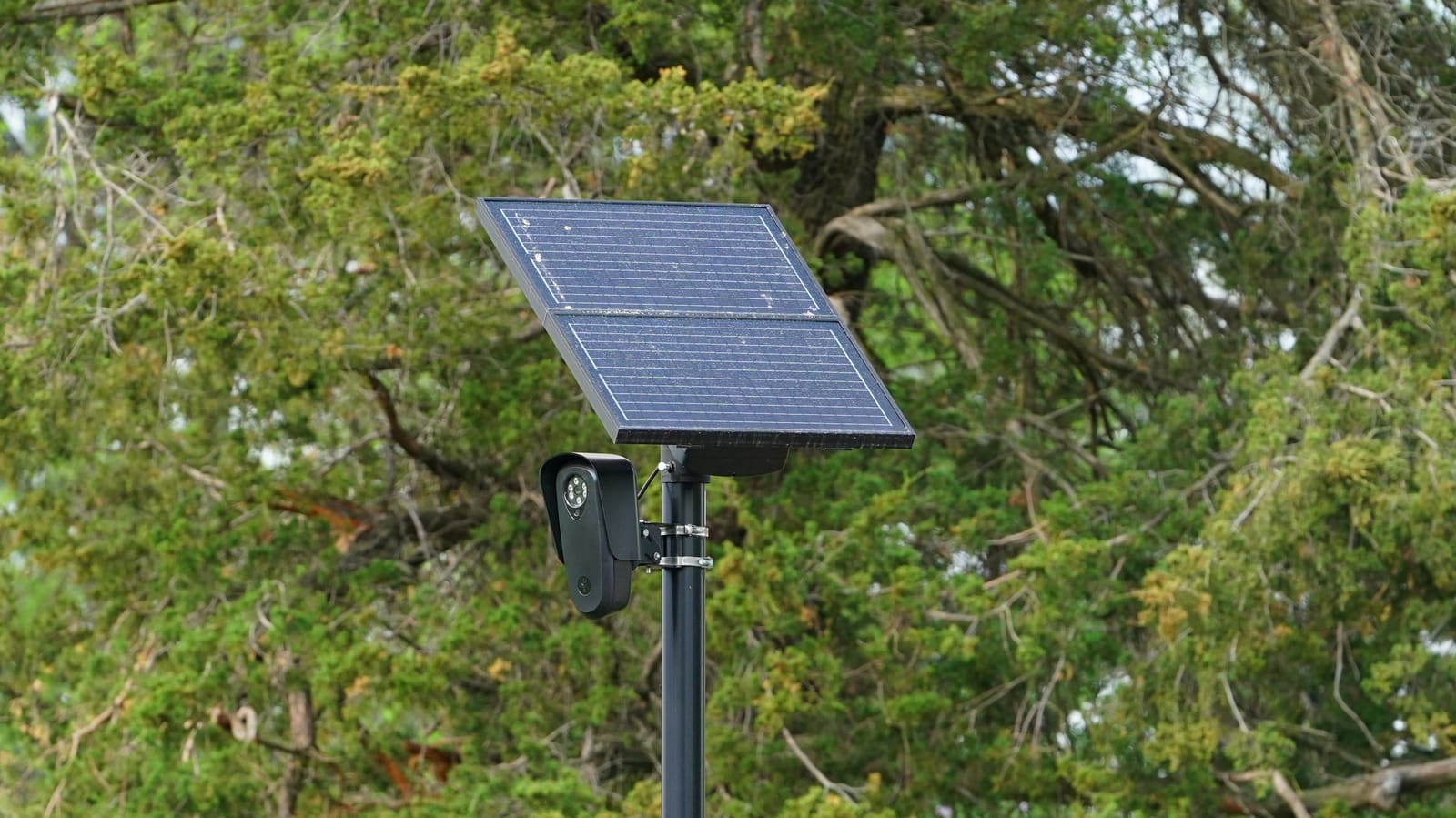
The announcement comes as Flock faces mounting operational pressure. At least one major metropolitan police department, in Los Angeles, has ended its contract with the firm. In Minnesota, an entire municipal fleet of Flock cameras vanished overnight; the local police department announced it would not replace them. Across the country, residents have vandalized, destroyed, or stolen the distinctive black-and-yellow units in acts of protest.
A Narrow Fix for a Broader Issue
The new controls address a specific vector of abuse, officer misconduct, but leave untouched the structural privacy concerns that animate much of the opposition to Flock. The American Civil Liberties Union and the Electronic Frontier Foundation have accused the company of understating the capabilities of its hardware. While Flock markets the devices as simple license plate readers, advocacy groups argue the cameras capture far more contextual data, including vehicle make, color, bumper stickers, and even time-stamped location trails that can reconstruct an individual's movements over weeks.
That granularity has real consequences. According to multiple reports, Flock data has been used to track a woman traveling out of state for abortion care. In another case, officers deployed the platform to monitor individuals crossing state lines to purchase cannabis in jurisdictions where it is legal, despite the fact that such travel is not a federal offense. Flock data has also reportedly been shared with Immigration and Customs Enforcement. Langley has said that "if the state of Texas wants to enforce immigration, they might use Flock, but they're gonna go enforce immigration no matter what Flock does." As of mid-2026, at least 24 individuals have died in ICE custody.
The Vendor's Dilemma
Flock operates in a regulatory gray zone. Unlike telecommunications carriers or cloud providers, surveillance-camera vendors face no federal mandate to build in abuse-prevention features or to disclose how their systems are used downstream. The company sells directly to municipalities, homeowners' associations, and private businesses, creating a patchwork of deployment policies with little oversight. Once a camera is installed and a contract signed, Flock has limited visibility into how officers use the platform unless an audit is triggered or a public records request surfaces problematic behavior.
The new policies shift some responsibility onto local administrators, requiring them to review flagged activity and enforce case-code protocols. Whether that model will hold in practice depends on the willingness of police departments to discipline their own officers, a variable that has historically been inconsistent. Flock has not disclosed what percentage of flagged accounts have resulted in disciplinary action, nor has it published aggregate statistics on the volume of searches its platform processes daily.
What Comes Next
The changes may slow the most egregious abuses, stalking by individual officers, but they do not address the appetite among some law enforcement agencies to use Flock as a tool for mass location tracking. Civil liberties groups have called for statutory limits on retention periods, mandatory judicial oversight for queries, and public transparency reports that detail how often the platform is accessed and for what purposes. None of those measures appear in Flock's announcement.
Langley has asked for "a fair shot," acknowledging that it took him longer than it should have to understand "the sheer impact of the company." That impact is now measured not only in solved crimes, a metric Flock frequently cites, but also in the erosion of anonymity in public space. Every vehicle that passes a Flock camera generates a permanent record, searchable by any credentialed officer, stored in a centralized database, and vulnerable to the same mission creep that has plagued other surveillance technologies.
The company's next test will be whether it can move beyond reactive policy patches and build a system that treats privacy as a design constraint rather than a compliance afterthought. For the communities that have already removed or destroyed Flock cameras, that question may be moot. Trust, once lost, is harder to restore than a stolen camera is to replace.