License Plate Surveillance Networks Face Pressure to Justify Their Reach
A police-tech company with 120,000 cameras across the U.S. is rolling out mandatory audits and access controls after departments canceled contracts and lawmakers introduced bans, raising questions about whether incremental fixes can address systemic concerns.
The Stalking Cases That Forced a Policy Shift
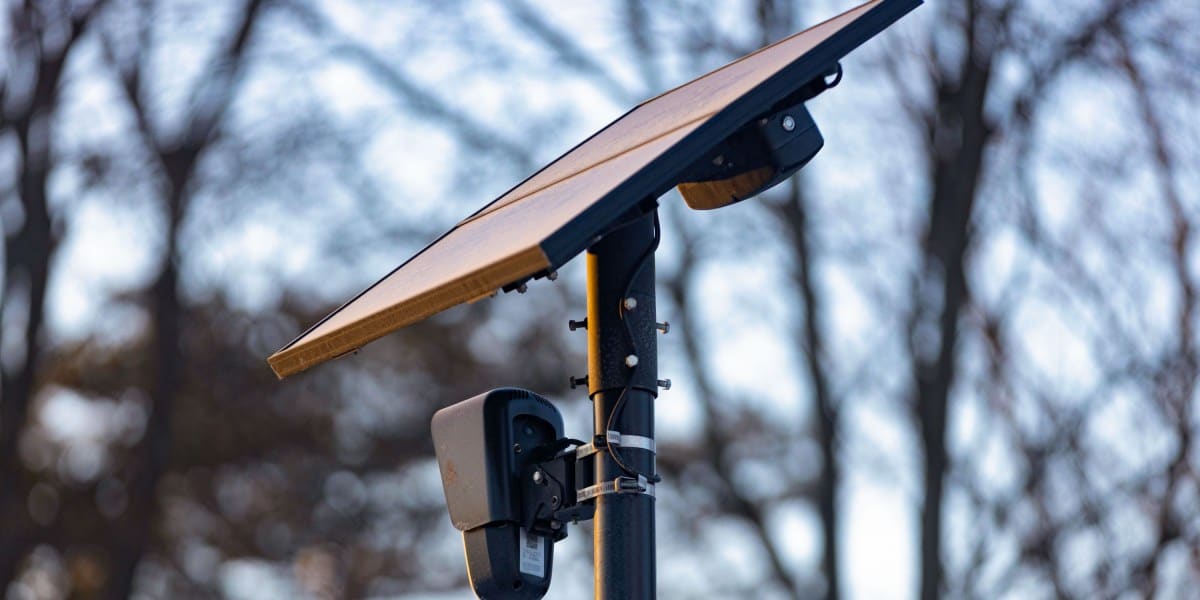
Police officers in at least 46 documented cases have used automated license plate reader (ALPR) systems to track romantic partners without authorization, according to investigative reporting published earlier this year. The technology at the center of these incidents belongs to a single company operating what has become the largest police surveillance network in the United States, with 120,000 cameras feeding location data into a shared database accessible to roughly 5,000 law enforcement agencies.
The abuse cases have prompted the first mandatory restrictions on how officers can query the system. Starting this month, every search will require a criminal case number before the platform returns results. The measure aims to create an audit trail linking each lookup to an active investigation, a baseline safeguard that civil liberties advocates have requested for years.
Yet the effectiveness of the new rule hinges entirely on honest reporting. Because the system does not verify case numbers against external records, an officer could enter a fabricated identifier and proceed with an unauthorized search. Previous optional prompts asking officers to justify their queries produced entries like "investigation," "hehehe," and other dismissive responses, according to civil liberties researchers who reviewed access logs from multiple departments.
Automated Audits With Unknown Accuracy
To catch officers who circumvent the case-number requirement, the company is now mandating an algorithmic auditing tool that analyzes search patterns and flags suspicious behavior to department administrators. The feature debuted as an optional module last year; adoption is now compulsory for all agencies using the platform.
The company has not disclosed the false-positive or false-negative rates of its auditing algorithm, nor has it permitted independent researchers to evaluate the system's accuracy. Without external validation, it remains unclear whether the tool can reliably distinguish between legitimate investigative work and misuse, especially in departments with high search volumes or complex case workflows.
At DailyTechWire, we've tracked similar "trust the algorithm" promises in other law enforcement technology markets, from predictive policing software to gunshot detection systems. In most cases, vendors resist third-party audits until legislative mandates or procurement clauses force transparency, leaving agencies to operate on vendor assurances rather than verified performance data.
Data Retention and Cross-Agency Access
Beyond addressing individual misconduct, the updated policies attempt to respond to broader unease about the scale of data collection and who can search it. The company now recommends that agencies retain plate-scan records for seven days instead of 30, though individual departments retain the authority to override that default and keep data longer.
A new feature allows agencies to restrict how other departments use their camera feeds. For example, a city council concerned about immigration enforcement could configure its cameras to permit searches only for cases tagged as kidnapping, robbery, or homicide. Officers from neighboring jurisdictions querying the system would need to select an approved reason code before accessing that city's data.
Once again, the control relies on accurate self-reporting. An officer seeking to use the system for a purpose the source agency has blocked could simply select a permitted category, and the system would grant access. The architecture assumes good faith and depends on after-the-fact auditing to catch violations.
A Backlash From Unexpected Directions
Opposition to automated license plate readers has historically come from privacy advocates and progressive city councils. That coalition has widened. Conservative commentators have begun framing the technology as infrastructure for a surveillance state, and at least 30 municipalities canceled their contracts in a 12-month period ending in February, according to reporting from a national broadcaster. Activist organizations tracking cancellations place the number higher, though exact figures are difficult to verify because many contracts are negotiated at the department level rather than through public procurement processes.
Several states and cities have introduced legislation to ban ALPR systems outright, while others have shifted contracts to competing vendors. The company maintains that cancellations represent a small fraction of its customer base, which spans thousands of agencies across the country.
The CEO attributes the backlash primarily to misunderstanding, citing false claims that the system performs facial recognition or sells location data to commercial buyers. Both practices would represent significant expansions beyond the company's current business model, which focuses on selling access to law enforcement agencies.
Civil liberties groups counter that the company and its sales representatives have themselves made misleading statements to city councils about the technology's capabilities and limitations, muddying the information environment on both sides.
The Warrant-Free Investigation Problem
For researchers and advocates who have spent years studying automated license plate readers, the recent abuse cases are symptoms of a deeper structural issue. The technology enables what one senior policy counsel at a national civil liberties organization calls "investigation without suspicion," a practice that inverts traditional Fourth Amendment protections.
Because ALPR databases store historical location data on millions of vehicles, officers can conduct sweeping searches without a warrant or probable cause. A detective investigating a theft can query every vehicle that passed near the crime scene in a given time window, then trace those vehicles' movements across days or weeks, building a detailed picture of their owners' routines, associations, and private activities.
This investigative power exists in a legal gray zone. Courts have not established clear boundaries on how much historical location data police can access without judicial oversight, and the technology has outpaced the development of relevant case law. The result is a surveillance capability that would have required dozens of officers and weeks of manual work a generation ago, now available through a few keystrokes with minimal procedural friction.
The policy question, as critics frame it, is whether the public safety benefits justify the erosion of locational privacy. Automated license plate readers do help recover stolen vehicles and generate leads in serious crimes. They also create a persistent record of where every scanned car traveled, accessible to thousands of officers across jurisdictional boundaries.
Incremental Fixes Versus Structural Reform
The newly announced policies represent the most significant restrictions the company has imposed on its own technology since launching its national network. Mandatory case numbers and automated audits move the platform closer to the oversight standards that privacy advocates have long demanded.
Yet those same advocates argue the changes fall short of addressing the fundamental tension. Making audits mandatory matters only if the audits work reliably, and the company has not provided evidence that they do. Requiring case numbers creates friction but not verification. Shortening default retention windows reduces data accumulation but does not limit how agencies use the data they keep.
The civil liberties organization that has become the company's most persistent critic acknowledges the new rules as a step forward but frames them as inadequate. "Flock has come to the table because this incredible, unprecedented nationwide uprising against their company has scared them," one senior counsel noted. "But at the same time, they are just absolutely unwilling to make the actual changes they need to make in order to legitimately respond to these concerns."
The company's CEO describes the shift differently: a move from offering optional safeguards to enforcing mandatory ones, reflecting a recognition that technology companies bear responsibility for building constraints into their products rather than leaving those decisions to customers.
The Crossroads Ahead
The debate over automated license plate readers is unfolding in parallel with broader reckonings over police access to digital surveillance tools, from mobile device forensics to real-time crime centers. In each case, the core tension is the same: technology that can accelerate legitimate investigations can also enable abuse, and the systems designed to prevent misuse rely on the honesty and competence of the people they are meant to constrain.
Whether the new restrictions will slow the wave of contract cancellations depends on whether municipalities believe the changes address their concerns. Some cities have concluded that no amount of procedural reform can justify the privacy trade-offs and have moved to ban the technology entirely. Others are watching to see whether mandatory audits reduce abuse cases or simply push misconduct into harder-to-detect patterns.
For the company, the stakes are existential. It has built the largest automated license plate reader network in the country, a position that brings both market dominance and concentrated scrutiny. If the backlash continues to grow and more jurisdictions either cancel contracts or pass bans, competitors with smaller footprints and lower profiles may capture market share by positioning themselves as less controversial alternatives.
At DailyTechWire, we've observed that once a technology becomes a political liability, incremental reforms rarely restore trust. The question facing both the company and the municipalities that contract with it is whether the current policy adjustments represent a genuine recalibration of surveillance power or a tactical response designed to quiet criticism without surrendering the core business model. The answer will likely emerge not from press releases but from access logs, cancellation rates, and the legislative battles now brewing in statehouses across the country.