States Push $1.4 Trillion Penalty Against Meta in Federal Privacy Trial
Federal judge will decide whether the platform violated child-privacy laws and deliberately misled users about app safety - a verdict that could reshape Meta's liability exposure across thousands of pending cases.
A Trial With Trillion-Dollar Stakes
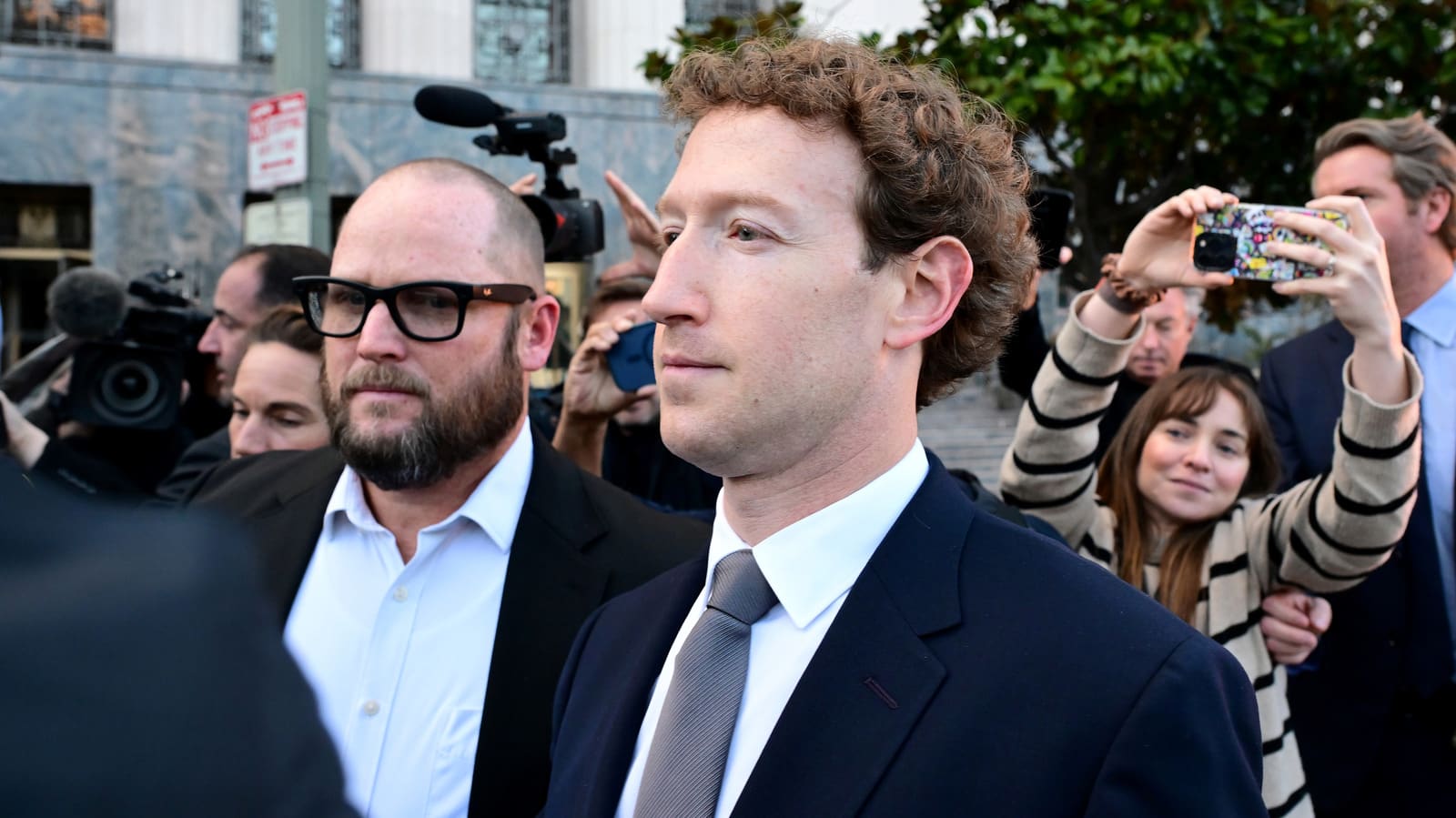
A federal courtroom in Oakland, California, has become the stage for what may be the most consequential legal battle Meta has faced in its two-decade history. Opening arguments began Tuesday in a multi-state action that accuses the company of systematically violating child-privacy statutes and consumer-protection frameworks across dozens of jurisdictions. The headline figure - $1.4 trillion in potential penalties - dwarfs any fine previously levied against a technology platform and reflects the breadth of alleged violations states claim to have uncovered during a multi-year investigation.
At DailyTechWire, we've tracked the steady escalation of litigation targeting social-media companies over the past three years, but this case stands apart in both scope and procedural design. Unlike the jury verdicts handed down in Los Angeles and New Mexico earlier this year, the eight-member jury empaneled here serves only in an advisory capacity. Federal Judge Yvonne Gonzalez Rogers will retain full authority over the final verdict and penalty calculation, a structure that concentrates enormous discretion in a single jurist who has already signaled skepticism toward both sides' damage models.
The Legal Architecture
California, Colorado, Kentucky, and New Jersey are pursuing state consumer-protection claims, arguing that Meta deliberately misrepresented the safety profile of Instagram and Facebook to parents, educators, and regulators. Those four states, joined by 25 others, are simultaneously pressing federal claims under the Children's Online Privacy Protection Act, which prohibits the collection of personal data from users under 13 without verifiable parental consent.
The COPPA allegations turn on a straightforward factual assertion: that Meta knew minors below the statutory age threshold were creating accounts and interacting with its services, yet continued to harvest behavioral and demographic data without obtaining the permissions the law requires. Internal documents surfaced during discovery may prove pivotal; the states contend those records demonstrate awareness at the executive level that enforcement mechanisms were insufficient to prevent underage sign-ups at scale.
Meta's defense rests on two pillars. First, the company argues that the states have produced no concrete evidence that any resident was actually misled by its public statements about safety features. Second, it characterizes several of the allegedly harmful design choices - such as the ability to maintain multiple Instagram accounts - as benign product decisions that regulators are attempting to reframe as violations. The company also points to what it describes as industry-wide challenges in age verification, suggesting that holding one platform liable for a systemic problem sets an unworkable precedent.
Why the Penalty Range Matters
Judge Rogers has already described the $1.4 trillion figure as "unreasonable," while dismissing Meta's counter-proposal of $4 million as equally detached from the alleged scope of harm. The gap between those estimates reflects fundamentally different interpretations of how penalties should accrue under COPPA. States appear to be calculating per-violation fines across millions of individual data-collection events spanning multiple years. Meta, by contrast, argues that only a narrow subset of conduct qualifies as statutory violations and that any penalty must account for the company's efforts to improve enforcement over time.
The final number will matter far beyond this courtroom. Meta disclosed $2.4 billion in legal expenses for the second quarter of 2026 alone, a figure that underscores the financial weight of its sprawling liability portfolio. Thousands of additional lawsuits are pending, many brought by individual families or school districts alleging that platform design choices contributed to mental-health crises among adolescent users. A decisive loss here, particularly one accompanied by a substantial penalty, would embolden plaintiffs in those parallel actions and likely accelerate settlement negotiations in cases Meta might otherwise contest.
Executive Testimony and the Public Record
Both Mark Zuckerberg and Instagram head Adam Mosseri are expected to testify, continuing a pattern established in earlier trials this year. Zuckerberg's February appearance in Los Angeles offered a preview of the company's rhetorical strategy: he framed Instagram as a tool designed for utility rather than compulsion, pushing back against the "addictive by design" narrative that has gained traction in policy circles and academic research.
The states are likely to probe whether that characterization aligns with internal product-development discussions. Discovery materials in related cases have revealed that Meta engineers and designers routinely measured engagement metrics - time spent in-app, frequency of opens, swipe-through rates on Stories - and iterated features to maximize those numbers. The legal question is whether optimizing for engagement crosses a line into manipulation, particularly when the users in question are minors whose cognitive development makes them more susceptible to persuasive design.
Audio from the trial will be publicly accessible via the court's livestream, an unusual degree of transparency for a case of this magnitude. That decision reflects both the public interest in platform-governance questions and the judge's apparent willingness to subject Meta's arguments to real-time scrutiny.
The Regional Dimension
From an Asia-forward lens, the outcome in Oakland will reverberate across jurisdictions that are still building their own regulatory frameworks for digital platforms. Singapore's Online Safety Bill, South Korea's revised youth-protection statutes, and India's draft Digital Personal Data Protection Rules all grapple with similar tensions: how to enforce age gates, what constitutes informed consent from minors, and whether platforms bear liability for harms that emerge from aggregate usage patterns rather than discrete product failures.
If U.S. courts establish that a platform can be held liable for systemic under-enforcement of age restrictions, regulators in Seoul, New Delhi, and Jakarta may find legal support for more aggressive enforcement actions against both Meta and its regional competitors. Conversely, a verdict that sides with Meta's argument about industry-wide verification challenges could slow momentum for prescriptive rules and shift the debate back toward voluntary compliance and self-regulation.
What Happens Next
The trial is scheduled to run six weeks, with closing arguments expected in late September. Judge Rogers will then weigh the advisory jury's conclusions alongside the evidentiary record before issuing a verdict and, if the states prevail, determining the penalty. Meta has already indicated it will appeal any adverse ruling, a process that could extend into 2027 or beyond.
For the families, educators, and advocacy groups watching from the gallery and online, the case represents something larger than a dispute over statutory interpretation. It is a test of whether the legal system can impose meaningful accountability on platforms whose scale and network effects have outpaced the regulatory structures designed to govern them. Whether the final penalty lands closer to millions or trillions, the verdict will clarify how much risk technology companies assume when they prioritize growth and engagement over the safety thresholds that statutes impose.