ByteDance and Hollywood Studios Strike Copyright Deal After AI Training Standoff
The Motion Picture Association has secured commitments from TikTok's parent company to embed protections for studio IP across its generative models, ending a dispute that began with a cease-and-desist letter in February.
A Détente in the Studio-Tech Standoff
ByteDance and the Motion Picture Association have reached an understanding on how the Chinese technology giant will handle copyrighted film and television content in its artificial intelligence systems. The memorandum of understanding, announced by the MPA this week, applies to every generative model the company operates: those powering TikTok, the editing suite CapCut, and the dedicated AI creative platforms Dreamina, Seedream, and Seedance.
For the studios, the agreement marks a rare instance of proactive cooperation from a major platform operator. At DailyTechWire, we've tracked months of friction between Hollywood and AI developers over training data, and most disputes have either landed in court or stalled in public statements. This one followed a different arc: a February cease-and-desist letter, followed by technical changes, followed by a handshake.
The MPA represents Disney, Paramount, Warner Bros. Discovery, Universal, Sony Pictures, and Netflix. In its statement, the association described the arrangement as "significant cooperation" and praised ByteDance for implementing what it calls "meaningful guardrails" in recent model releases.
What ByteDance Agreed To
The memorandum does not appear to be a binding legal contract, but it establishes a shared framework for identifying and blocking copyrighted studio material from being ingested during training or reproduced during inference. ByteDance has committed to technical measures that prevent its models from generating outputs that closely mimic characters, scenes, dialogue, or visual styles owned by MPA members.
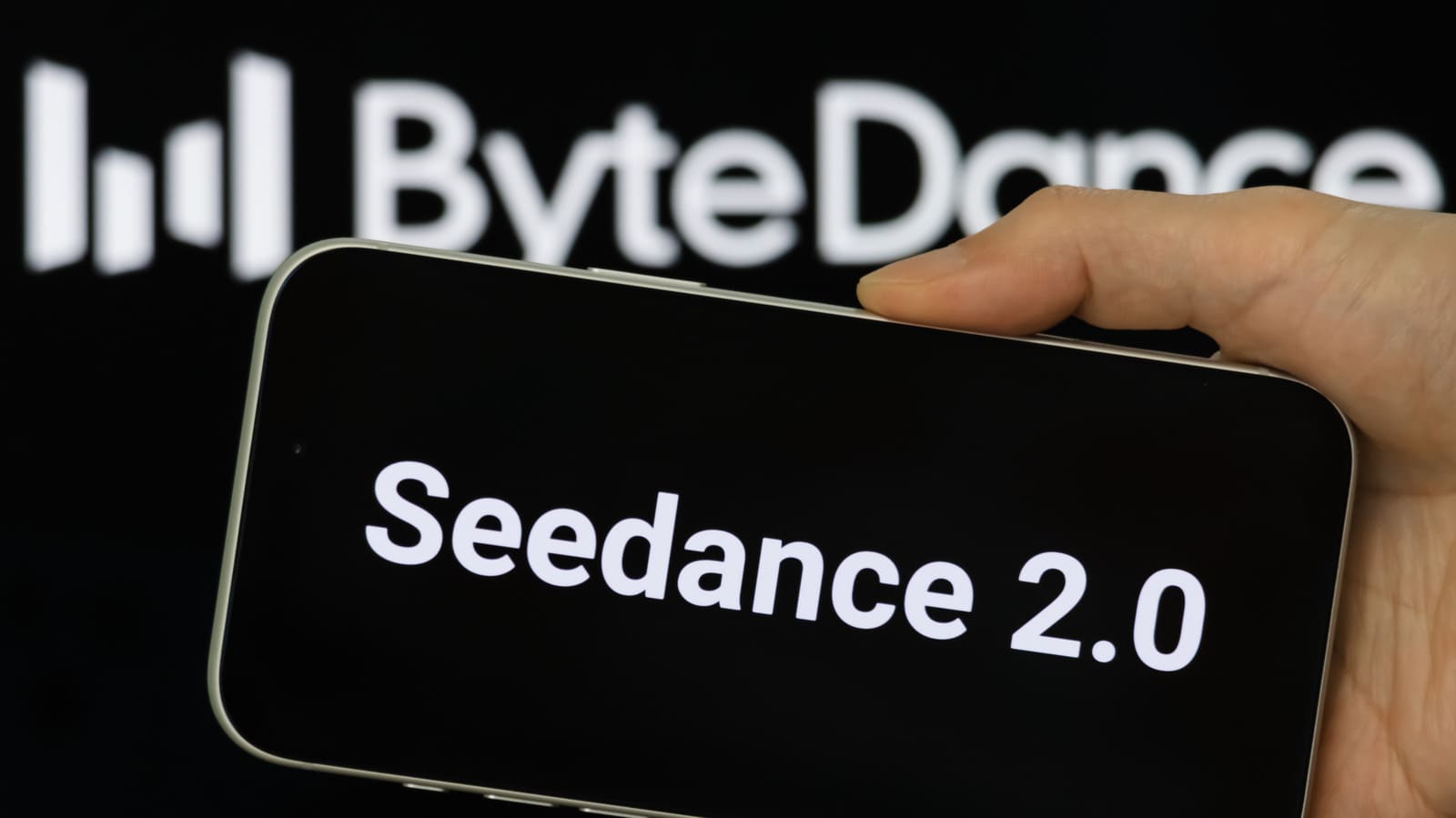
The company's two newest releases, Seedream 5.0 Pro and Seedance 2.5, already reflect some of these protections, according to the MPA. ByteDance suspended the global rollout of Seedance 2.0 shortly after the February letter, and the revised version that eventually shipped included content filters and a revised training pipeline.
Details of the underlying technology remain sparse. Industry observers expect the safeguards to include a combination of exclusion lists during training, watermark detection for copyrighted stills, and prompt filtering that blocks requests for specific franchises or characters. ByteDance has not disclosed whether it has licensed any studio content, or whether the MPA's members retain audit rights over training datasets.
Why the Studios Moved Fast
Hollywood has taken a harder line on generative AI than almost any other industry. The Writers Guild of America secured contractual language in its 2023 strike settlement that restricts how studios may use AI-generated scripts. The Screen Actors Guild followed with protections around digital likenesses. And the MPA itself has filed or supported lawsuits against multiple AI companies, including an ongoing case against Midjourney.
The ByteDance negotiation, however, played out differently. One reason is scale: TikTok alone reaches more than a billion users, and CapCut has become the default editing tool for creators who distribute clips across social platforms. A protracted legal fight would have been expensive and slow, with uncertain jurisdiction given ByteDance's Chinese ownership and the TikTok USDS Joint Venture structure that now governs the app's U.S. operations.
Another reason is timing. The MPA's members are themselves building or licensing generative tools for pre-visualization, script coverage, and marketing asset creation. A public war with ByteDance risked setting a precedent that could complicate their own AI partnerships. By securing a memorandum now, the studios gain a template they can point to in future negotiations with other model developers.
Charles Rivkin, the MPA's chief executive, characterized the talks as "constructive engagement." That phrasing is diplomatic, but it signals that ByteDance was willing to make technical concessions without waiting for a court order.
The Broader IP Battleground
ByteDance is not the only generative AI company facing pressure from content owners. The lawsuit against Midjourney, filed by a coalition of illustrators and studios, alleges that the image synthesis model was trained on millions of copyrighted images scraped from the web without permission or compensation. That case is still in discovery, and its outcome could set a binding standard for what constitutes fair use in the training context.
Meanwhile, OpenAI, Stability AI, and several other developers have faced similar complaints from authors, photographers, and news publishers. The legal landscape remains unsettled. U.S. courts have not yet ruled definitively on whether training a model on copyrighted material constitutes infringement, or whether the resulting outputs are transformative enough to qualify as fair use.
In Asia, the regulatory environment is evolving separately. China's Cyberspace Administration has issued guidelines requiring AI developers to respect intellectual property, but enforcement has been selective. ByteDance, as a Chinese company with significant U.S. operations, occupies an unusual position: it must navigate both regimes, and any misstep in either jurisdiction carries commercial and political risk.
The MPA's memorandum does not resolve the underlying legal questions, but it demonstrates that voluntary frameworks can emerge when both sides have strong incentives to avoid litigation. For ByteDance, the cost of restricting certain training data is lower than the cost of losing access to U.S. distribution channels. For the studios, a private agreement delivers faster protection than a multi-year court battle.
What Comes Next
The memorandum will be tested as ByteDance continues to release new models and expand into markets where IP enforcement is weaker. The company has already launched Dreamina in several Southeast Asian countries, and it is reportedly preparing a text-to-video product that could compete directly with Runway and Pika.
If those products generate content that closely resembles studio properties, the MPA will have to decide whether to invoke the memorandum or pursue other remedies. The association has not disclosed whether the agreement includes financial penalties, arbitration clauses, or audit rights.
For other AI developers, the ByteDance deal offers both a roadmap and a warning. The roadmap: engage early, offer technical transparency, and negotiate before the lawyers get involved. The warning: Hollywood is organized, well-funded, and willing to use both public pressure and private agreements to protect its assets. The studios have spent a century building and defending their intellectual property, and they are not about to let a new wave of generative tools erode that foundation without a fight.