The OnePlus Question: What Happens When a Flagship Killer Exits Your Market
With North American operations shuttered and OxygenOS being phased out, the calculus for buying OnePlus hardware has fundamentally changed
The Exit No One Wanted to Acknowledge
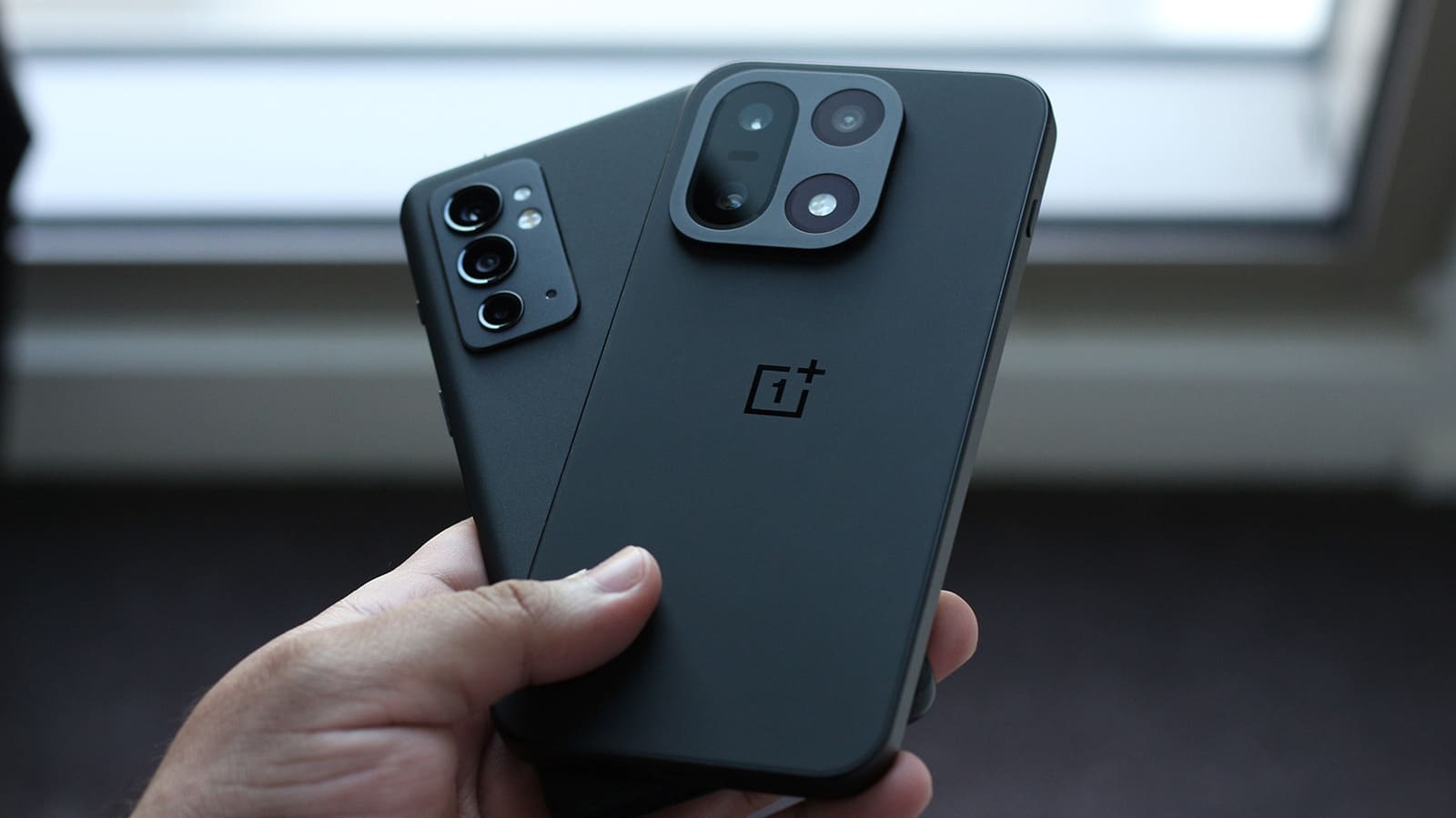
OnePlus made it official in July: after years of speculation and mounting evidence, the company confirmed its withdrawal from North American and European markets. Inventory has largely disappeared from the official store, though third-party retailers still carry devices like the OnePlus 15 and 15R. The question facing potential buyers is no longer whether OnePlus makes compelling hardware but whether that hardware still makes sense when the company behind it has pivoted away from your region.
At DailyTechWire, we've tracked OnePlus since its early days as the self-proclaimed flagship killer, a brand built on delivering Qualcomm's top-tier silicon and a lean software experience at prices that undercut Samsung and Apple by hundreds of dollars. That value proposition hasn't disappeared. The OnePlus 15, priced at $900, still offers Snapdragon 8 Elite Gen 5 performance, 120W charging, and battery life that outlasts most competitors in its segment. What has changed is the confidence that comes with buying into an ecosystem that will continue to evolve alongside your device.
OxygenOS Is Dead, Long Live ColorOS
For years, OxygenOS was the beating heart of the OnePlus identity. Launched after the company moved on from CyanogenMod, the operating system earned a reputation for being both minimal and feature-dense, a rare combination in the Android landscape. Reviewers consistently highlighted its responsiveness and customization depth. Owners prized the lack of bloatware and the thoughtful touches that made daily interactions feel faster than they did on competing skins.
That era is ending. OnePlus has announced that future Android updates for devices sold in North America and Europe will migrate to ColorOS, the interface developed by Oppo. The two companies share ownership under BBK Electronics, and their software has been built on a unified codebase since 2021. In practice, OxygenOS and ColorOS have converged to the point where visual and functional differences are minimal. Side-by-side comparisons reveal nearly identical settings menus, gesture controls, and animation styles.
Still, the shift matters symbolically and practically. ColorOS ships with more pre-installed applications than OxygenOS traditionally did, and the small Easter eggs and interface quirks that gave OnePlus its personality are likely to vanish in the transition. For users who valued the brand specifically because of its software philosophy, the move to ColorOS feels like a bait-and-switch, even if the technical reality is less dramatic.
The Math on Support Commitments
OnePlus has pledged to honor existing warranties and provide after-sales support through its dedicated portal. Devices like the OnePlus 15 and 15R are slated to receive four major Android OS updates and six years of security patches. On paper, that matches or exceeds the support windows offered by many Android manufacturers outside of Google and Samsung.
The catch is execution. Support commitments are only as reliable as the infrastructure behind them. With no physical retail presence or local operations in North America, service requests will funnel through remote channels, and parts availability may become unpredictable as the company deprioritizes regions it no longer serves. Warranty claims and repair turnaround times are likely to stretch longer than they would have when OnePlus maintained a regional footprint.
For buyers considering a OnePlus device in late 2026, the risk calculus has shifted. You are betting that the company will maintain support infrastructure for a market it has publicly exited, and that third-party retailers will continue to stock accessories and replacement components as demand tapers. That bet may pay off for the duration of your ownership cycle, but it introduces uncertainty that didn't exist a year ago.
When the Hardware Still Delivers
Despite the operational retreat, the hardware itself remains competitive. The OnePlus 15 pairs a 6.8-inch OLED display with a peak brightness that handles direct sunlight comfortably. The Snapdragon 8 Elite Gen 5 delivers benchmark scores that place it among the fastest Android phones available, and real-world performance reflects those numbers. Gaming, multitasking, and intensive photo processing happen without thermal throttling or lag.
Battery life is another standout. The 5,500mAh cell routinely pushes past a full day of heavy use, and the 120W wired charging refills the device in under 25 minutes. Wireless charging at 50W is faster than most competitors offer via cable. These are tangible advantages that don't disappear because the company has redrawn its market boundaries.
The camera system is the weak link. Image processing lags behind what Samsung, Google, and Apple deliver at similar price points, particularly in low light and when using the telephoto lens. OnePlus has never prioritized computational photography, and that gap has widened as competitors pour resources into machine learning pipelines for image enhancement. If photography is central to your smartphone use, the OnePlus 15 will disappoint relative to its peers.
Ecosystem Lock-In Is Minimal
One advantage of the OnePlus approach is that its ecosystem accessories don't impose the same switching costs that Apple's do. The OnePlus Buds series and OnePlus Watch can pair with any Android device without losing core functionality. There are minor feature trade-offs when using OnePlus audio products with non-OnePlus phones, such as automatic device switching and battery level integration, but the degradation is far less severe than what happens when you try to use AirPods Pro with an Android handset.
This flexibility means that buying a OnePlus phone today doesn't lock you into a walled garden. If you decide to switch to a Samsung or Pixel device in two years, your accessories will continue to work without major compromises. That reduces the long-term risk of investing in OnePlus hardware, even as the company's regional presence contracts.
The Buyer Profile Has Narrowed
So who should still consider a OnePlus device? The target buyer is someone who prioritizes raw performance and charging speed, doesn't rely heavily on camera quality, and is comfortable navigating potential service headaches if something goes wrong. It's a buyer who views a smartphone as a two-to-three-year investment rather than a long-term ecosystem commitment, and who is willing to accept ColorOS as the software layer in exchange for hardware that punches above its price point.
For most consumers, that profile is too narrow. The average buyer wants assurance that the brand will be around to support the device, that software updates will arrive on a predictable schedule, and that warranty claims won't require international shipping. OnePlus can no longer offer that assurance in North America or Europe, and that reality changes the value equation even when the hardware remains strong.
A Calculated Gamble
The decision to buy a OnePlus phone in 2026 comes down to risk tolerance. If you're drawn to the OnePlus 15's performance and can live with its camera limitations, the device will serve you well for the duration of its support window. The migration to ColorOS is less disruptive than it sounds, and the hardware advantages are real. But you're also buying into a shrinking support footprint and betting that the company will maintain its commitments in markets it has formally abandoned.
That gamble may be worth it for enthusiasts who understand the trade-offs and value what OnePlus hardware delivers. For everyone else, the safer play is to look elsewhere, to brands that still view North America and Europe as core markets and invest accordingly. The flagship killer era isn't over, but for buyers in these regions, it's increasingly a relic of the past rather than a viable present.