Obsidian Shifts Gears to Fallout After Microsoft Cancels Avowed Sequel
The studio behind The Outer Worlds will lead a new entry in the post-apocalyptic franchise as Xbox's restructuring cuts 3,200 jobs and kills multiple projects
A Strategic Pivot Under Pressure
Obsidian Entertainment is redirecting its development pipeline toward a new Fallout title, part of a broader reorganization at Microsoft that has eliminated 3,200 positions across Xbox divisions. The studio has canceled multiple projects in the process, including a sequel to Avowed, the fantasy RPG released last year.
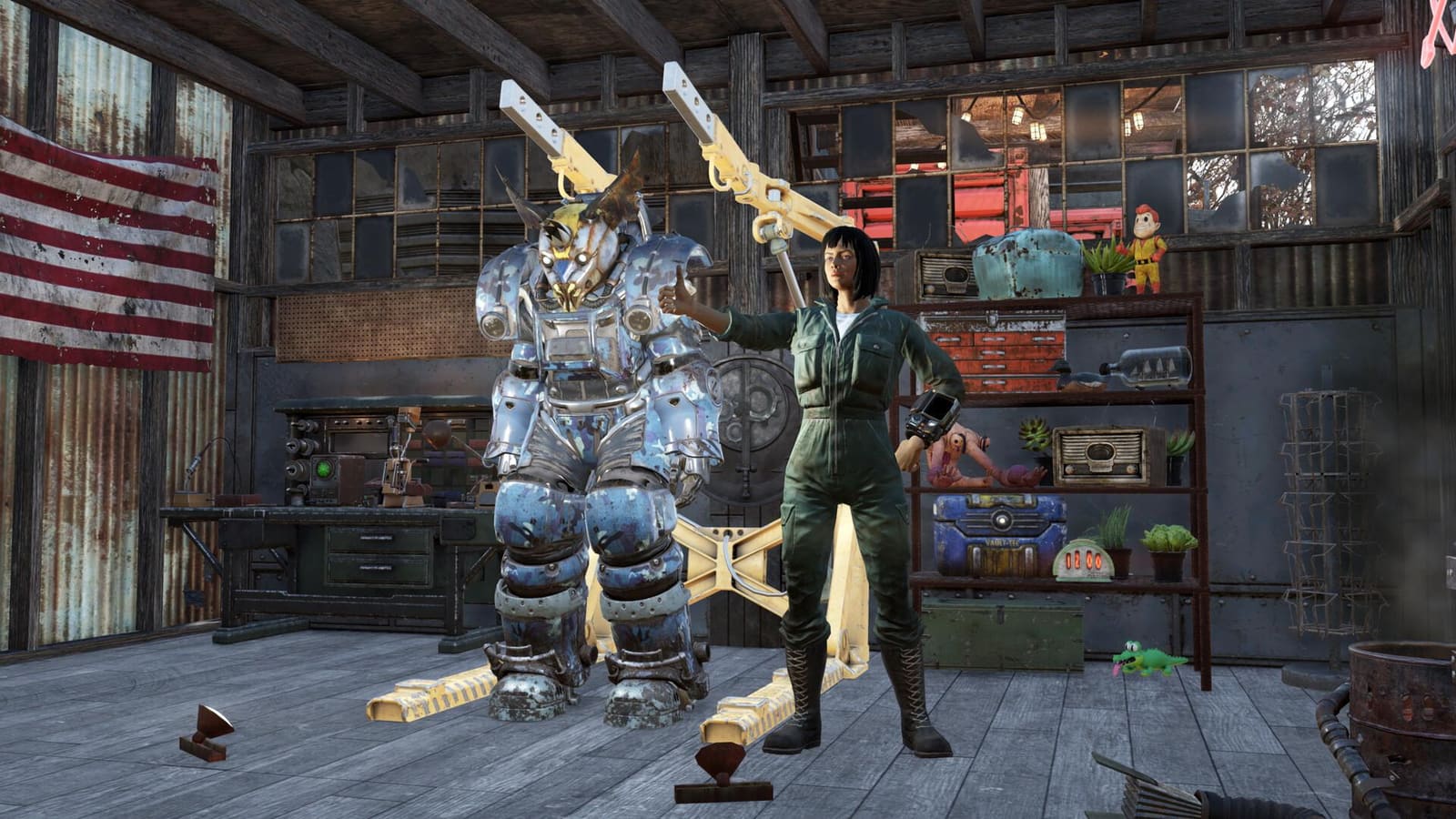
Josh Sawyer, Obsidian's studio design director, will lead development on the new Fallout entry. The franchise has sat dormant as a single-player experience since 2018's multiplayer-focused Fallout 76, a gap that has grown more conspicuous as the television adaptation has surged in popularity. The show recently secured renewal for a third season, demonstrating sustained audience appetite for the post-apocalyptic universe.
At DailyTechWire, we've tracked Microsoft's gaming division through multiple strategic shifts, but this reorganization represents one of the most significant recalibrations in the company's two-decade Xbox history. The move signals a willingness to sacrifice near-term diversity in the portfolio in favor of concentration on proven intellectual property.
The Math Behind the Reset
Microsoft has framed the restructuring as a reallocation toward "higher priority projects," a phrase that increasingly translates to established franchises with cross-media momentum. The Fallout television series has generated measurable engagement spikes across the franchise's catalog, creating a commercial window that Xbox leadership appears determined to exploit.
Obsidian's history with Fallout adds credibility to the assignment. The studio developed Fallout: New Vegas in 2010, widely regarded among fans as one of the series' strongest entries despite its troubled launch. Sawyer served as project director on that title, bringing continuity to the new effort.
The cancellation of an Avowed sequel is particularly striking given the original game's recent release. While Microsoft has not disclosed sales figures, the decision to abandon follow-up development suggests the title underperformed internal benchmarks. The fantasy RPG genre remains crowded, and Avowed faced comparisons to established franchises like The Elder Scrolls throughout its development cycle.
Studios Shuttered, Priorities Redrawn
The 3,200 job cuts represent approximately 18 percent of Microsoft's gaming workforce, a proportion that exceeds typical operational adjustments and suggests fundamental strategy revision. Xbox has also closed or divested several studios as part of the reset, though Microsoft has not provided a complete list of affected teams.
The restructuring follows a pattern visible across major publishers over the past eighteen months. Sony, Electronic Arts, and Ubisoft have all announced significant headcount reductions, citing extended development timelines, rising production costs, and pressure to deliver predictable revenue streams. The industry is contracting around franchises with built-in audiences, leaving less room for experimental titles or unproven IP.
For Obsidian, the shift means abandoning creative directions the studio had begun exploring. The canceled projects beyond Avowed 2 remain unidentified, but the studio had built a reputation for mid-budget titles with strong narrative design. Grounded, its cooperative survival game, found success in a crowded genre through distinctive art direction and accessible mechanics. The Outer Worlds offered a satirical take on corporate dystopia that resonated with players looking for alternatives to mainstream sci-fi RPGs.
Fallout's Cross-Media Advantage
The television series has fundamentally altered Fallout's commercial trajectory. The show debuted with strong viewership and critical reception, introducing the franchise to audiences who had never touched a controller. That cross-media presence gives the property a marketing foundation that few gaming franchises can match, reducing risk for Microsoft and making the investment calculus more straightforward.
Xbox has not released a traditional single-player Fallout game in eight years, an unusually long gap for a franchise of this scale. Fallout 76 pivoted the series toward live-service multiplayer, a decision that divided the fanbase and failed to generate the sustained engagement Microsoft hoped for. A return to the single-player structure that defined Fallout 3, Fallout 4, and New Vegas represents both a course correction and an acknowledgment of what the audience has consistently requested.
The timing also matters. Development cycles for large RPGs typically span four to six years, meaning an Obsidian-led Fallout title would likely arrive in the 2029-2030 window. That timeline aligns with potential later seasons of the television series, creating opportunities for coordinated marketing and sustained franchise momentum.
The Cost of Consolidation
The human cost of Microsoft's reset is substantial. Layoffs of this magnitude ripple through regional gaming ecosystems, particularly in hubs like Seattle, Austin, and Southern California where Xbox maintains significant studio presence. For developers caught in the cuts, the current job market offers limited immediate prospects, as competing publishers are also contracting headcount.
For Obsidian employees who remain, the shift to Fallout represents both opportunity and constraint. Working on a major franchise brings resources and visibility, but it also means operating within established creative boundaries. The studio's recent output had showcased its ability to build original worlds with distinct identities; Fallout development will require adapting that creativity to a universe with decades of accumulated lore and fan expectations.
The cancellation of multiple projects also suggests that Microsoft is moving away from the portfolio diversification strategy it had pursued following its acquisition of Obsidian in 2018. The company had initially positioned the studio as a creator of varied experiences across different scales and genres. The current mandate is narrower and more commercially focused.
What the Shift Signals
Microsoft's decision to redirect Obsidian reflects broader industry trends that favor sequels, remakes, and franchise extensions over original IP. The financial pressure on major publishers has intensified as development costs have climbed without corresponding increases in unit prices. A $70 game in 2025 delivers lower inflation-adjusted revenue than a $60 game did in 2010, even as team sizes and production timelines have expanded dramatically.
The emphasis on "higher priority projects" is a euphemism for risk reduction. Fallout carries brand recognition, a proven audience, and cross-media synergies that make budget approvals easier to justify to Microsoft's finance division. Avowed, despite its competent execution, represented a bet on building something new in a genre where Bethesda already dominates with The Elder Scrolls.
The reset also highlights the tension between Microsoft's platform ambitions and its content strategy. Xbox has positioned itself as a subscription-first ecosystem through Game Pass, but that model requires a steady flow of high-profile releases to retain subscribers. Concentrating resources on a smaller number of larger franchises may deliver the tentpole releases Game Pass needs, but it reduces the variety that made the service appealing in its early years.
For fans of Obsidian's work, the shift is bittersweet. The studio's return to Fallout will excite players who remember New Vegas fondly, but it comes at the expense of the creative experimentation that defined recent projects. The industry's current economics leave little room for the mid-budget, narrative-focused RPGs that Obsidian excelled at producing.
The new Fallout game will likely be years away, and much can change in that span. But for now, Microsoft's reset has made its priorities clear: established franchises with cross-media momentum take precedence, and studios must adapt or face closure. Obsidian has adapted. Whether that choice preserves the creative identity that made the studio valuable in the first place remains an open question.