Why Mainland Tech Firms Are Choosing Hong Kong for More Than Money
Recent IPOs reveal how Chinese startups leverage the city's global networks, partnerships, and product refinement opportunities alongside its deep capital pools.
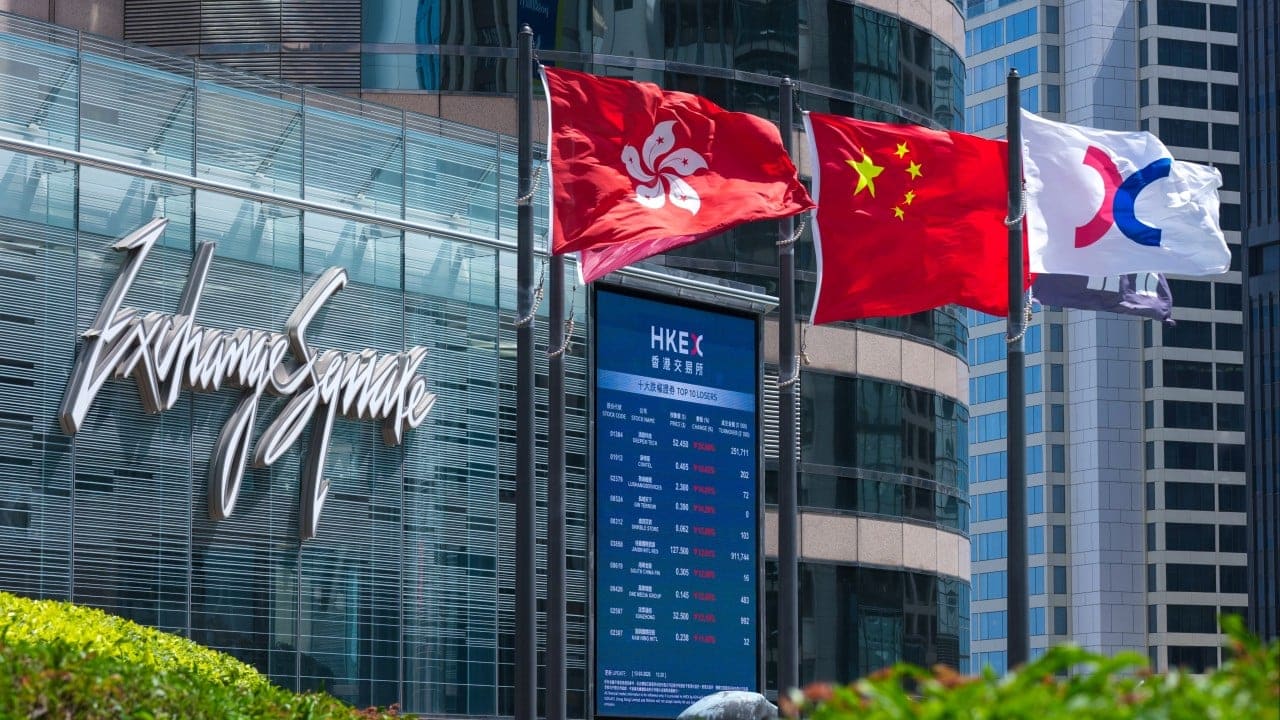
Beyond the Capital Raise
The conventional narrative around Hong Kong's appeal to mainland Chinese tech companies centers on capital access. Yet companies that completed listings over the past year tell a different story. For them, the city functions as an operational launchpad, a testing ground for international products, and a connector to markets that remain difficult to reach from Beijing or Shenzhen.
Yunji Technology, a Beijing-based service robotics firm that went public in Hong Kong last October, exemplifies this shift. The company now treats the city not as a passive funding venue but as an active gateway. Its executives describe using Hong Kong's infrastructure to refine hardware for overseas clients, establish partnerships with regional distributors, and navigate regulatory environments across Southeast Asia and beyond.
At DailyTechWire, we've tracked a steady uptick in post-IPO activity from mainland tech firms in Hong Kong. The pattern suggests these companies are embedding themselves in the city's ecosystem rather than simply listing and retreating. The reasons are structural: Hong Kong offers legal frameworks familiar to international investors, a talent pool fluent in cross-border deal-making, and physical proximity to both mainland operations and Asian growth markets.
Product Iteration in a Global Context
One advantage mainland firms cite is the ability to test and adapt products in a market that straddles Chinese and international standards. Hong Kong's regulatory environment, consumer expectations, and infrastructure differ enough from the mainland to surface issues that might otherwise emerge only after costly overseas launches.
For robotics and hardware companies in particular, this iterative process matters. A service robot designed for a Shanghai hotel may require different safety certifications, communication protocols, or user interfaces when deployed in Singapore or Dubai. Hong Kong provides a controlled environment to identify and address those gaps without the logistical burden of operating entirely offshore.
Software and platform companies face parallel challenges. Data localization rules, payment integration, and content moderation standards vary widely across Asia. Hong Kong's position outside the mainland's regulatory perimeter, yet within its economic orbit, lets firms experiment with compliance models that work in both contexts.
Partnership Networks and Deal Flow
The city's role as a connector extends to business development. Executives describe Hong Kong as a neutral ground where mainland firms can meet potential partners, customers, and acquirers who might hesitate to engage in Beijing or Guangzhou. This is particularly true for companies eyeing enterprise clients in Japan, South Korea, or Australia, where geopolitical sensitivities can complicate direct mainland engagement.
Venture capital and corporate venture arms based in Hong Kong also provide deal flow that mainland firms struggle to access at home. These investors often bring relationships with multinational corporations, regional conglomerates, and sovereign wealth funds. For a newly public mainland tech company, those connections can accelerate pilot projects, distribution agreements, and joint ventures that would otherwise take years to cultivate.
The talent dimension is equally important. Hong Kong attracts professionals with experience at global tech firms, multinational consultancies, and international law practices. Mainland companies opening Hong Kong offices report recruiting executives who bring operational know-how from markets the firms are trying to enter, whether that's managing regulatory approvals in Europe or structuring channel partnerships in Latin America.
Operational Costs and Strategic Trade-Offs
Deepening engagement with Hong Kong is not without friction. Office space, salaries, and operational expenses in the city rank among the highest in Asia. Mainland firms must weigh these costs against the strategic benefits, and not every company finds the calculus favorable.
Regulatory complexity also persists. While Hong Kong's legal system is internationally recognized, navigating its intersection with mainland rules, particularly around data flows and cross-border transactions, requires specialized expertise. Smaller firms or those with limited international ambitions may find the overhead outweighs the advantages.
There is also a timing question. Hong Kong's utility as a bridge depends on the health of both the city's capital markets and its accessibility to global investors. Volatility in either dimension can erode the rationale for maintaining a significant presence. Companies that listed during favorable windows may face different conditions as they scale their operations.
A Longer-Term Bet on Connectivity
Despite these trade-offs, the trend points toward sustained engagement. Mainland tech firms that initially approached Hong Kong as a listing destination are now treating it as a permanent node in their global infrastructure. This shift reflects broader changes in how Chinese technology companies think about internationalization.
Earlier waves of mainland firms expanding overseas often established regional headquarters in Singapore, Tokyo, or San Francisco. Hong Kong's resurgence as a strategic hub suggests that proximity to the mainland, combined with international credibility, offers unique advantages for companies still deeply tied to Chinese supply chains, talent pools, and customer bases.
The robotics sector illustrates this dynamic. Firms building hardware in Shenzhen or Dongguan benefit from staying close to manufacturing clusters while accessing Hong Kong's logistics networks, financial services, and legal infrastructure. This hybrid model lets them operate at Chinese speed and cost while meeting international expectations on transparency, governance, and customer support.
For software and platform companies, the calculus is similar. Hong Kong offers a staging ground for products that need to work across Chinese and non-Chinese ecosystems, whether that involves payment rails, cloud infrastructure, or user authentication. The city's role as a testing ground for interoperability is difficult to replicate elsewhere.
Implications for the Regional Tech Landscape
If mainland tech firms continue embedding themselves in Hong Kong, the city's role in Asia's startup ecosystem will shift. Rather than competing with Singapore or Seoul as a standalone hub, Hong Kong may emerge as the primary interface between Chinese technology and the rest of the region.
This has consequences for investors, policymakers, and competing hubs. Venture funds focused on cross-border deals will likely increase their Hong Kong presence. Governments in Southeast Asia and beyond will need to account for Hong Kong-based mainland firms when shaping technology policy and procurement decisions. And other cities hoping to attract Chinese tech companies will need to offer something Hong Kong cannot: either lower costs, deeper access to specific markets, or regulatory environments that favor independence from mainland influence.
The companies leading this shift are still in early stages. Whether their Hong Kong operations deliver sustained strategic value will depend on execution, market conditions, and geopolitical stability. But the pattern is clear: for a growing cohort of mainland tech firms, Hong Kong is no longer just a place to raise money. It is where they refine products, build partnerships, and learn to operate globally.