Nevada Greenlights 8,000 Robotaxis as Tesla, Waymo, and Uber Converge on Vegas
A unanimous vote hands permits to three giants, but deployment timelines and workforce concerns reveal a more cautious reality beneath the regulatory sprint.
A Regulatory Green Light with Built-In Brakes
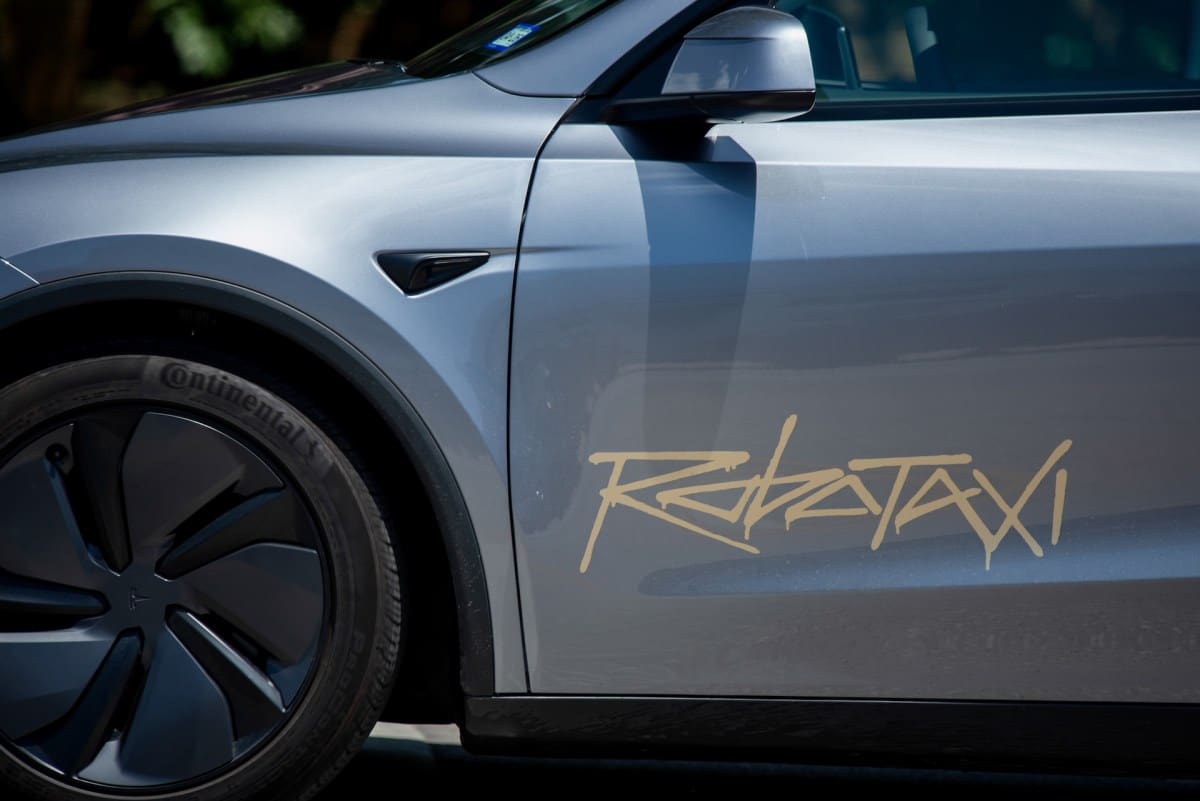
The Nevada Transportation Authority cleared the runway Thursday for what could become the densest robotaxi deployment in the United States. Three permits now allow Tesla, Waymo, and Uber to operate a combined ceiling of 8,000 autonomous vehicles across Clark County over the next twelve months. The vote was unanimous, the ambition sweeping, but the reality on the ground will almost certainly be more modest.
Tesla secured approval for up to 5,000 units, Waymo for 1,000, and Uber for another 1,000 through its partnerships with Motional and Zoox. Yet testimony during the hearing made clear that these figures represent regulatory headroom rather than deployment targets. Eric Early, Tesla's Cybercab chief engineer, told the authority that hitting even half that ceiling would be an achievement. He cited constraints unrelated to technology, suggesting that logistical and operational scale-up will be the real bottleneck. A target closer to 2,500 vehicles within the year, he said, would satisfy the company.
That gap between permitted capacity and likely deployment is instructive. It signals that regulators are betting on gradual ramp-up rather than immediate saturation, even as they hand out permits that could theoretically flood the market. At DailyTechWire, we've tracked similar dynamics in other jurisdictions where regulatory optimism outpaces industry readiness, and Nevada appears to be following that script.
The Golden Triangle and the Geography of Testing
Most autonomous vehicle activity in Clark County has concentrated in what locals call the Golden Triangle, the zone stretching between McCarran International Airport and Las Vegas Boulevard. This area has served as the primary testing ground, though Motional has expanded operations into downtown Las Vegas and the Town Square shopping district. The focus on these corridors reflects both the density of demand and the relative predictability of traffic patterns, two factors that make commercial AV operations more viable.
But that concentration also raises questions about congestion and competition. Representatives from the Livery Operators Association and local taxi companies opposed the permits, arguing that the approvals risk oversaturating the commercial transportation market and overcrowding key roadways. Kimberly Maxson-Rushton, a lawyer representing the association, framed the concern in terms of both economic displacement and physical infrastructure strain. The Golden Triangle, she noted, is already under pressure from existing testing programs.
The regulatory response to these objections was to approve the permits anyway, a decision that prioritizes market experimentation over incumbent protection. Whether that gamble pays off will depend on how quickly these companies can scale, and whether the infrastructure can absorb the additional vehicles without degrading service quality or safety.
Uber's Hybrid Play
Uber has positioned itself as the pragmatic middle ground in this rollout, advocating for a model that blends human drivers with autonomous vehicles. The company has lobbied for policies that would require robotaxis to operate within ride-hailing networks that also employ human drivers, a stance that puts it at odds with Waymo's fully autonomous vision and hedges against the possibility that its own AV partnerships fall short of Tesla's or Waymo's pace.
During the Nevada Transportation Authority meeting, Uber representatives argued that a hybrid approach would allow cities to integrate autonomous capacity gradually, using robotaxis to meet peak demand rather than replacing human drivers outright. This framing is both strategic and self-interested. Uber's business model depends on maintaining a flexible labor pool, and a sudden shift to fully autonomous fleets would undermine that flexibility while exposing the company to higher capital costs.
The hybrid argument also reflects a broader uncertainty about the economic viability of pure-play robotaxi networks. Operating costs for autonomous fleets, including maintenance, charging infrastructure, remote monitoring, and cleaning, are still being worked out in real-world deployments. Uber's pitch is that a mixed fleet allows operators to optimize for cost and reliability while the technology matures.
Workforce Impact and the Displacement Debate
The arrival of thousands of robotaxis in Las Vegas will inevitably reshape the city's transportation workforce. Proponents argue that autonomous vehicles will create new categories of jobs: technicians to maintain sensor arrays, operators to manage charging logistics, cleaners to prepare vehicles between rides. Critics counter that these roles will not offset the loss of driving jobs, which currently employ thousands of taxi and gig workers across the county.
The debate is not unique to Nevada. Cities that have welcomed large-scale AV deployments, including San Francisco and Phoenix, have seen similar tensions. The difference in Las Vegas is the speed and scale of the rollout. If even half the permitted vehicles are deployed within a year, the impact on the local labor market will be substantial and immediate.
Nevada's regulatory framework does not include provisions for workforce transition or retraining programs tied to the robotaxi permits. That absence suggests the state is treating autonomous vehicle deployment primarily as a transportation and technology issue, not a labor policy challenge. Whether that approach holds up under political pressure remains to be seen.
The Competitive Landscape
Las Vegas is shaping up to be a critical proving ground for the three companies now holding permits. Tesla's Cybercab program is the most ambitious in terms of scale, but it is also the least mature in terms of commercial operations. Waymo, by contrast, has years of operational experience in other markets and a more conservative deployment strategy. Uber's reliance on partnerships with Motional and Zoox means it is betting on multiple technology stacks, a hedge that could pay off if one partner advances faster than the others.
Zoox already holds a separate permit allowing it to operate 100 robotaxis, and its integration into Uber's network could accelerate deployment. Motional's testing in downtown Las Vegas and Town Square gives it operational data from more diverse environments than the Golden Triangle alone. These differences in strategy and readiness will likely produce uneven rollout timelines, with some companies hitting the market earlier and others scaling more slowly.
The competitive dynamics are further complicated by the fact that all three companies are targeting the same customer base. Unlike markets where robotaxis have operated primarily as curiosities or supplements to existing transportation options, Las Vegas represents a full-scale commercial battleground. The city's tourism economy, high ride-hailing demand, and relatively contained geography make it an ideal test case for autonomous mobility at scale.
What Comes Next
Nevada's decision to approve these permits reflects a broader regulatory trend toward enabling rather than constraining autonomous vehicle deployment. The state has positioned itself as a testing ground for technologies that other jurisdictions have approached more cautiously, and the robotaxi permits are consistent with that posture.
But the gap between regulatory approval and operational reality will define the next phase. Tesla's acknowledgment that it will likely deploy far fewer vehicles than permitted suggests that the industry is still working through the logistical and financial challenges of scaling autonomous fleets. Waymo's more measured approach and Uber's hybrid model represent different bets on how to navigate those challenges.
For Las Vegas, the next twelve months will determine whether the city becomes a showcase for autonomous mobility or a cautionary tale about moving too fast. The infrastructure, the workforce, and the market will all be tested. At DailyTechWire, we'll be watching how these companies manage the transition from regulatory approval to operational scale, and whether the reality on the ground matches the ambition in the permits.