TikTok Faces Senate Scrutiny After Test Stripped Safety Controls from 15 Million Accounts
Two senators have demanded answers about an algorithmic experiment that removed content moderation guardrails, including from a teenager who later took his own life.

A Test That Removed the Safety Net
Two U.S. senators have given TikTok until early September to explain why the company conducted an experiment that stripped algorithmic safety mechanisms from roughly 15 million American users. The test, which created a control group representing 10% of the platform's U.S. audience, deliberately disabled features designed to prevent users from encountering overwhelming volumes of harmful material.
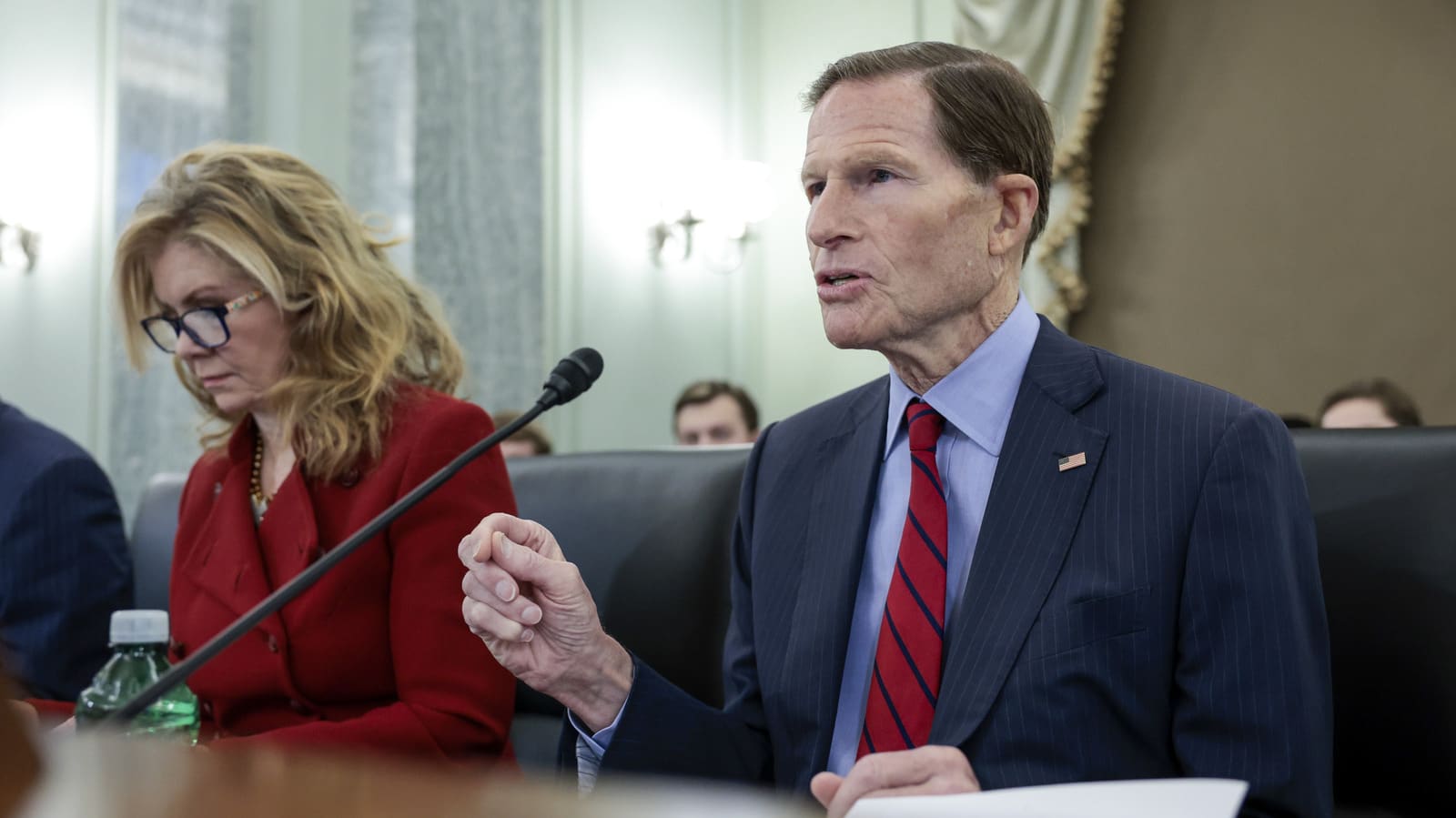
Senators Marsha Blackburn and Richard Blumenthal sent a letter to TikTok CEO Shou Chew and Adam Presser, who leads the company's U.S. operations, describing the decision to run the experiment as "depraved." The letter demands responses to thirteen detailed questions by September 1.
At DailyTechWire, we've tracked the growing tension between social platforms and lawmakers over algorithmic transparency. This case is distinct because it involves the intentional removal of existing safeguards rather than a failure to implement them.
The Mechanics of the Experiment
TikTok's algorithmic safeguard was built to limit how much distressing or negative content any single user would see in succession. The company wanted to determine whether this moderation layer made the app less engaging, a metric central to advertising revenue and user retention.
To answer that question, the platform divided its U.S. user base. The majority continued to receive the standard experience with safeguards active. The control group, approximately 15 million people, had the feature turned off.
The experiment's design raises questions about informed consent and risk assessment. Social platforms routinely run A/B tests to optimize features, but experiments that involve safety mechanisms occupy a different ethical category. The senators' letter asks TikTok to identify every employee who was aware of the test and to clarify whether any internal review flagged potential harms before it launched.
A Teenager in the Control Group
Among those in the control group was Chase Nasca, a 16-year-old whose algorithm began serving him thousands of videos related to sadness, suicide, and isolation. He died by suicide during the period when the safeguard was disabled for his account.
The senators want TikTok to explain why minors were included in the experiment. Federal regulations and platform policies typically impose stricter protections for users under 18, yet the company appears to have made no age-based exclusions when forming the control group.
Content recommendation systems learn from engagement signals: watch time, likes, shares, and completion rates. When a safeguard is removed, the algorithm is free to optimize purely for engagement, which can create feedback loops. A user who watches one video about depression may be served ten more, then a hundred, as the system interprets attention as preference.
TikTok has not publicly commented on whether the experiment produced statistically significant differences in engagement or whether any internal threshold would have triggered an early halt.
What the Senate Wants to Know
Blackburn and Blumenthal's letter asks for the names of every employee involved in approving and monitoring the experiment. It also requests a full list of all algorithmic tests conducted in the United States where safety features were either disabled or delayed.
This second demand is significant. If TikTok has run multiple experiments of this type, the letter could force the company to disclose a broader pattern of prioritizing engagement metrics over user welfare.
The senators are also asking for documentation of the experiment's objectives, its duration, and any internal communications about risk. These materials, if provided, would offer rare visibility into how a major platform weighs trade-offs between growth and harm reduction.
TikTok has not responded to requests for comment. The company has previously stated that it invests heavily in safety and well-being tools, including features that limit screen time, filter comments, and restrict certain content for younger users. The existence of this experiment suggests that those commitments coexist with aggressive testing aimed at maximizing engagement.
The Broader Debate Over Algorithmic Harm
Social platforms have long resisted mandatory disclosure of how their recommendation systems work. They argue that transparency would expose proprietary technology and invite gaming by bad actors. Regulators and researchers counter that opacity makes it impossible to assess whether platforms are complying with existing laws or ethical norms.
This case is likely to fuel calls for algorithmic audits and external oversight. The European Union's Digital Services Act already requires large platforms to allow vetted researchers access to certain data. In the United States, no comparable framework exists at the federal level, though several states have passed or proposed laws targeting platform design practices that harm minors.
The timing is notable. TikTok has faced sustained scrutiny over its ties to China, data security practices, and content moderation policies. The company has argued that it operates independently of its Beijing-based parent, ByteDance, and that U.S. user data is stored domestically. This experiment, however, concerns decisions made within TikTok's U.S. operations, complicating the company's efforts to position itself as a responsible actor in the American market.
What Happens Next
If TikTok misses the September 1 deadline or provides incomplete answers, the senators could refer the matter to the Federal Trade Commission, which has authority to investigate unfair or deceptive practices. They could also introduce legislation specifically targeting A/B tests that involve safety features.
The case also opens legal exposure. Families affected by the experiment may pursue civil claims, arguing that TikTok knowingly increased the risk of harm. Platform liability remains a contested area of law, but experiments that intentionally disable safeguards could weaken the protections companies typically enjoy under Section 230 of the Communications Decency Act.
For the tech industry, the episode is a reminder that internal testing is not invisible. Employees talk, documents leak, and regulatory interest is high. Platforms that treat safety mechanisms as variables to be optimized rather than as fixed constraints may find that the short-term gains in engagement are not worth the long-term costs in trust, regulation, and litigation.