TikTok Withheld Filter Bubble Safeguard From Millions to Test Engagement Impact
Congressional inquiry reveals platform kept algorithmic safety feature from control group while teen deaths occurred in repetitive content loops
The Control Group Controversy
TikTok now faces congressional scrutiny over an algorithmic testing practice that placed millions of users into a control group denied access to a safety intervention designed to prevent repetitive content exposure. The feature, developed to interrupt what researchers call "filter bubbles," was rolled out in 2021 with a significant caveat: the company simultaneously withheld it from a large cohort of users to study how the safeguard might affect time spent on the platform.
Internal company documents reveal that at least one teenage user who died by suicide had been assigned to the control group. Chase Nasca's account, according to TikTok's own records, received a sustained stream of content related to suicide, self-harm, and depressive themes in the period leading to his death. The pattern exemplifies precisely the type of repetitive exposure the withheld feature was engineered to disrupt.
At DailyTechWire, we've tracked similar A/B testing practices across major platforms, but the decision to use safety interventions as experimental variables raises questions that extend beyond standard product optimization. When engagement metrics and user protection sit on opposite sides of a test design, the choice of which population receives the safeguard becomes an editorial decision with life-or-death stakes.
What the Feature Was Supposed to Do
TikTok introduced the "repetitive patterns" intervention publicly in 2021 as part of a broader effort to diversify the For You feed. The company's stated goal was to prevent users from encountering excessive amounts of any single content category, particularly those that might prove harmful when consumed in concentration.
The logic is straightforward: a single video about a difficult topic may be manageable, but an algorithmic cascade of similar material can reinforce negative thought patterns and create what psychologists describe as rumination spirals. The feature was designed to detect when a user's feed began clustering around sensitive themes and to inject variety before the pattern deepened.
What TikTok did not disclose at launch was the scope of the accompanying experiment. By creating a control group that continued to receive the platform's unmodified recommendation algorithm, the company positioned itself to measure precisely how much the safety feature reduced engagement, watch time, and the other metrics that underpin its advertising business model.
Congressional Pressure and the Policy Timeline
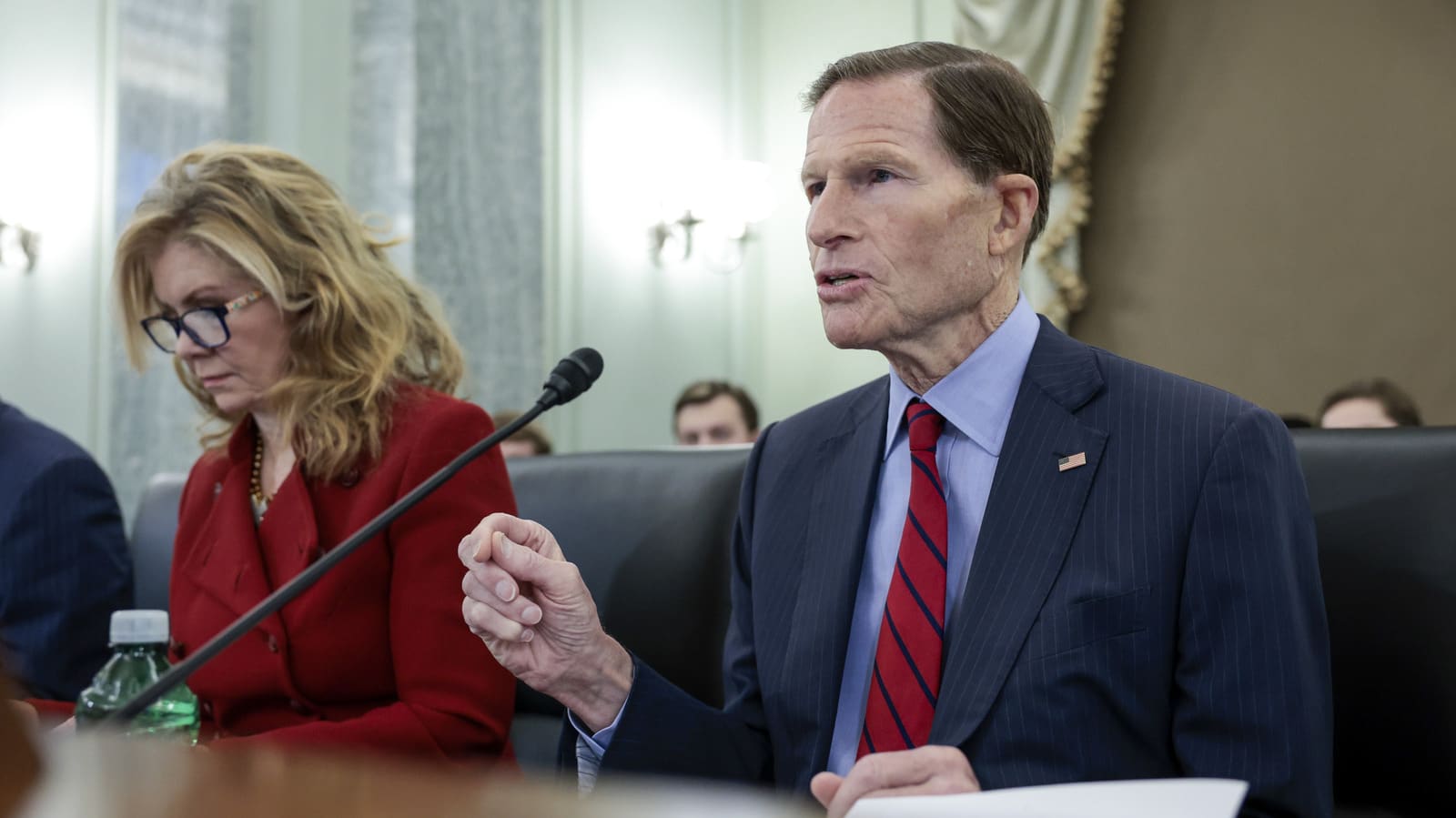
Two senators with a history of pressing social media platforms on child safety have now issued a formal demand for information. Marsha Blackburn and Richard Blumenthal sent a letter to TikTok's executive leadership asking for comprehensive details about the 2021 experiment and any similar tests that traded off safety features against engagement goals.
The lawmakers also asked whether TikTok has ever declined to implement a safety measure because internal projections showed it would reduce ad revenue or user activity. The company has until September 1 to respond.
The timing adds a layer of complexity. The 2021 experiment began shortly after a TikTok policy executive testified before Congress at a hearing where both Blackburn and Blumenthal called for stronger protections for young users. The senators now argue that the company was "on notice" about algorithmic risks to children at the very moment it chose to withhold a tool designed to mitigate those risks from a control population.
Both legislators have been central advocates for the Kids Online Safety Act, a bill that would impose new duties of care on platforms and require them to give minors tools to opt out of algorithmic recommendation systems. The TikTok revelations are likely to feature prominently in ongoing debates over whether voluntary industry measures are sufficient or whether statutory obligations are necessary.
The A/B Testing Dilemma in Platform Safety
Technology companies routinely use control groups to measure the impact of new features, and that practice is generally understood as sound product management. But the application of randomized testing to safety interventions introduces ethical considerations that sit uncomfortably alongside standard experimentation frameworks.
When a company tests a new button color or feed layout, the downside risk to the control group is negligible. When it tests a feature explicitly designed to reduce exposure to harmful content, the control group by definition continues to face the risk the feature was built to address. The question is whether informed consent, transparent disclosure, or some other mechanism should govern these experiments, and whether the potential for commercial bias should disqualify engagement metrics as the primary outcome measure.
TikTok's internal documentation suggests the company was aware of the risks. The fact that it tracked the content patterns in Nasca's feed and labeled them as problematic in retrospect indicates that the company's monitoring systems could identify harmful clustering. Yet the control group design meant that real-time intervention was withheld from millions of accounts, including his.
The case also highlights a tension in how platforms communicate about safety improvements. Public announcements often frame new features as evidence of proactive responsibility, but if those features are simultaneously subject to engagement testing that delays or limits their deployment, the public narrative diverges from the internal calculus.
What Comes Next for Algorithmic Accountability
The congressional inquiry arrives as regulatory momentum around algorithmic transparency builds across multiple jurisdictions. The European Union's Digital Services Act already requires large platforms to conduct and disclose risk assessments for systemic harms, including those amplified by recommendation systems. Similar proposals are circulating in several US state legislatures and have been introduced, though not yet passed, at the federal level.
TikTok's response to the senators will likely shape the legislative conversation in the coming months. If the company provides detailed documentation of its testing protocols, risk-benefit analyses, and decision-making criteria, it may demonstrate a level of internal rigor that argues for continued self-regulation. If the response is sparse or defensive, it will strengthen the case for external oversight and mandatory transparency requirements.
The broader industry is watching closely. Every major platform uses recommendation algorithms, and every major platform runs experiments to optimize those systems. If TikTok faces statutory consequences or reputational damage for withholding a safety feature to study engagement effects, other companies will need to revisit their own testing practices and consider whether current ethical review processes are adequate.
For now, the September 1 deadline sets a clear timeline. The senators want answers about how many users were in the control group, how long the experiment ran, what the engagement findings were, and whether those findings influenced subsequent decisions about safety feature deployment. They also want to know if similar experiments are ongoing and what governance structures, if any, oversee tests that involve withholding protective measures.
The case of Chase Nasca personalizes the stakes in a way that abstract policy debates often fail to capture. Algorithmic systems operate at scale, but their effects are experienced one user at a time, one feed at a time, one decision at a time. When a safety feature exists but is deliberately withheld from a subset of users for research purposes, the individuals in that subset bear the cost of the knowledge the experiment produces. Whether that trade-off is justified, and under what conditions, is a question the industry has not yet settled, but one that lawmakers are now forcing into the open.