Microsoft's Datacenter Build-Out Drives Emissions Up One Quarter in a Year
The tech giant's 2026 sustainability report reveals a sharp climb in carbon output as AI infrastructure expansion collides with its 2030 carbon-negative pledge.
The Numbers Tell a Difficult Story
Microsoft's carbon footprint swelled by a quarter last year, hitting 34 million metric tons according to the company's 2026 sustainability report. The 25 percent year-on-year increase marks one of the steepest climbs in emissions the Redmond-based company has recorded in recent memory, and it arrives at an awkward moment: Microsoft has publicly committed to becoming carbon negative by 2030, a target that now looks increasingly strained.
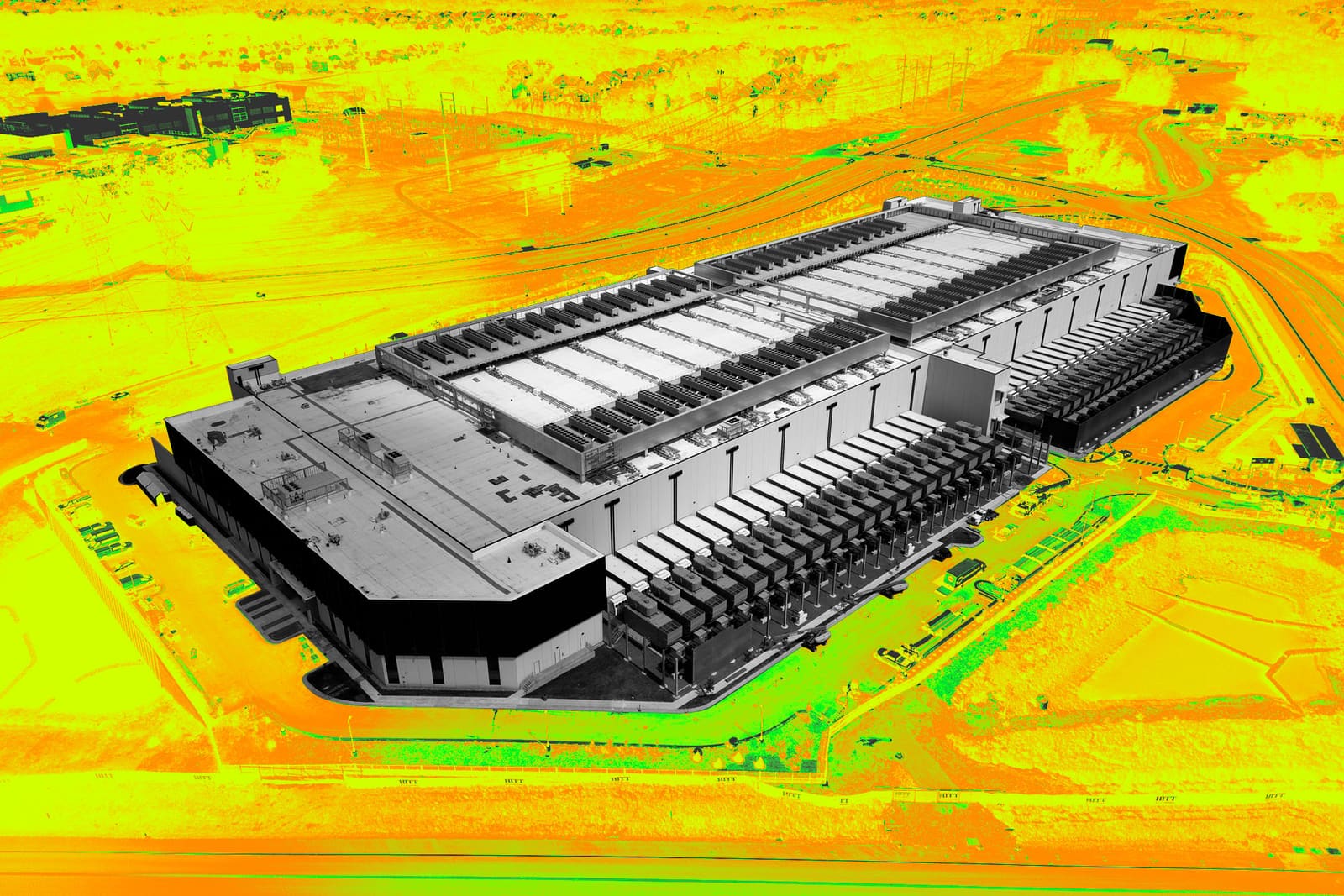
The primary culprit, according to Microsoft, is the rapid expansion of datacenter infrastructure. The company has been racing to build out capacity for AI training and inference workloads, a capital-intensive effort that requires vast amounts of steel, concrete, and energy-hungry cooling systems. At DailyTechWire, we've tracked similar patterns across hyperscale operators in the region: every major cloud provider from Singapore to Seoul is grappling with the carbon cost of the generative AI boom.
A Shift in Accounting Strategy
Microsoft also pointed to a change in its renewable energy procurement approach. In February of last year, the company announced it would stop purchasing what it termed "non-additional, unbundled renewable energy certificates." These instruments, often criticized by environmental advocates, allow companies to claim renewable energy use without directly funding new clean energy projects. By stepping away from them, Microsoft effectively tightened its own accounting rules, but the move also meant a higher reported emissions figure.
The decision reflects a broader debate in corporate sustainability circles: should companies prioritize optics or additionality? Unbundled certificates are cheap and plentiful, but they rarely drive new wind or solar capacity onto the grid. Microsoft's pivot suggests the company is willing to take a short-term reputational hit in exchange for a more rigorous standard. Whether that translates into faster decarbonization remains to be seen.
The AI Infrastructure Dilemma
The timing of this emissions surge is no accident. Microsoft has poured billions into partnerships with OpenAI and into building out Azure's AI capabilities. Every new model checkpoint, every million-token context window, every customer fine-tuning job demands compute at scale. And compute at scale demands datacenters, which in turn demand embodied carbon in construction and operational carbon in runtime.
This is not a problem unique to Microsoft. Across Asia, we're seeing governments and utilities scramble to accommodate datacenter load growth. In markets like India and Indonesia, where grid carbon intensity remains high, the emissions profile of new capacity is even more challenging. Microsoft's 34 million metric tons may seem abstract, but it's a concrete illustration of the trade-off the industry is making: deploy AI at speed, or hold the line on climate commitments. Right now, speed is winning.
What Carbon Negative Actually Requires
Microsoft's 2030 carbon-negative goal is ambitious by any measure. It means the company must not only zero out its own emissions but also actively remove historical carbon from the atmosphere. Achieving that will require a combination of deep operational cuts, investment in carbon capture and storage, and potentially large-scale nature-based solutions like reforestation or soil carbon projects.
The 25 percent increase in 2025 makes that path steeper. If emissions continue to climb in line with datacenter expansion, Microsoft will need to either dramatically accelerate its removal portfolio or slow the pace of infrastructure deployment. Neither option is straightforward. Carbon removal technologies remain expensive and unproven at scale, and slowing AI investment would put the company at a competitive disadvantage against rivals who face less public scrutiny over their climate targets.
Regional Context and the Asian Cloud Race
From a regional perspective, Microsoft's challenge mirrors the broader tension playing out across Asia's cloud and AI landscape. Hyperscalers are under pressure to deliver low-latency, high-availability services to fast-growing markets, but the energy infrastructure in many of these markets is still heavily reliant on coal and natural gas. Singapore has placed a moratorium on new datacenter construction for environmental reasons; India is racing to build renewable capacity but still relies on thermal power for baseload; and China's datacenter hubs in Inner Mongolia and Ningxia are located near coal plants for a reason.
Microsoft operates datacenters in multiple Asian markets, and the carbon intensity of the grid in each location directly affects the company's overall emissions profile. A megawatt-hour consumed in Singapore has a very different carbon footprint than one consumed in Jakarta or Mumbai. As the company continues to expand across the region, these local grid realities will become an increasingly important part of its decarbonization strategy.
The Road Ahead
The 2026 sustainability report offers little in the way of immediate solutions, but it does acknowledge the scale of the problem. Microsoft is betting that advances in renewable energy procurement, improvements in datacenter efficiency, and investments in carbon removal will eventually bend the curve. The company has committed to purchasing power from new solar and wind projects, and it has signed deals with carbon removal startups working on direct air capture and enhanced mineralization.
But the clock is ticking. With four years left until the 2030 deadline, Microsoft will need to show not just incremental progress but a fundamental reversal in its emissions trajectory. The next few years will be a test case for whether a company can simultaneously lead in AI and meet aggressive climate commitments, or whether those two goals are, for now, fundamentally at odds.