Memory Foam Tips Turn Decent Earbuds Into Great Ones
A better seal transforms bass response and noise isolation, but the upgrade comes with trade-offs worth understanding.
The Seal Problem Most People Ignore
Walk into any electronics store and you'll find dozens of wireless earbuds promising studio-grade sound, adaptive noise cancellation, and spatial audio. What you won't find on the spec sheet: whether they'll actually stay in your ears or deliver that promised performance once you leave the store.
The culprit is often the ear tips themselves. Most manufacturers bundle silicone tips in small, medium, and large, assuming three sizes can accommodate the biological diversity of human ear canals. Research tells a different story. A cross-ethnic biometric study tracking more than 1,400 participants found that ear anatomy varies as distinctly as fingerprints. Those generic silicone tips might fit your ear opening, but they rarely create the acoustic seal needed for earbuds to perform as designed.
When that seal fails, physics takes over. Bass frequencies leak out. Ambient noise leaks in. Active noise cancellation algorithms struggle because they're fighting both internal and external sound paths. You compensate by turning up the volume, which solves nothing and accelerates hearing fatigue.
The fix isn't a firmware update or a premium codec. It's foam.
Why Material Matters More Than Marketing
Silicone dominates the earbud accessory market for practical reasons. It's inexpensive to mold, easy to clean, and durable enough to outlast the electronics it ships with. For manufacturers optimizing bill-of-materials costs, silicone is the obvious choice.
But silicone is rigid relative to the soft tissue of your ear canal. It holds its shape, which means if the shape doesn't match your anatomy, you're left with gaps. Those gaps are measured in fractions of a millimeter, but acoustically they're canyons.
Memory foam tips work on a different principle. Compress them before insertion and they expand to fill the available space, conforming to the unique geometry of your ear canal. The result is a custom fit without the custom price tag of molded in-ear monitors.
The acoustic benefits are immediate and measurable. A proper seal means low-frequency energy that would otherwise escape now reaches your eardrum. Bass doesn't just get louder; it gains definition and impact. Passive isolation improves so dramatically that many users find they can leave active noise cancellation off in moderately noisy environments, conserving battery life in the process.
The Upgrade Path and What It Costs
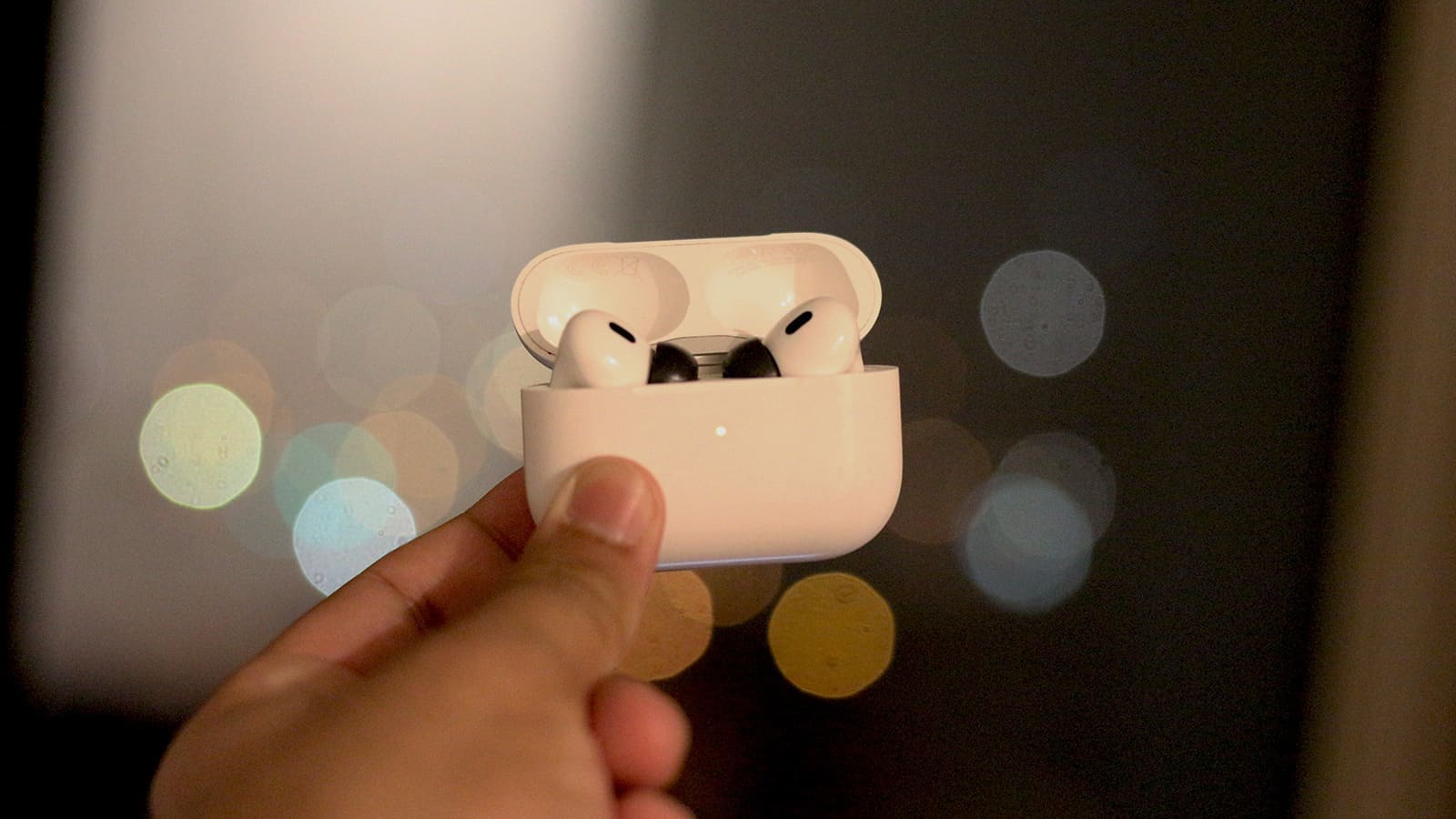
Two brands dominate the aftermarket foam tip ecosystem: Comply and Sonicfoam. Both manufacture tips sized and shaped for specific earbud models, including proprietary designs like the snap-fit mechanism Apple uses on AirPods Pro.
Pricing typically ranges from ten to forty dollars depending on how many pairs are included and whether you're buying a variety pack or single-size refills. That might seem steep for what amounts to small pieces of foam, but the economics make sense when you consider the alternative. Spending thirty dollars on tips can extract more performance from two-hundred-dollar earbuds than trading up to a three-hundred-dollar model.
The trade-off is durability. Foam tips degrade with use. Daily wearers should expect two to three months of optimal performance before the foam loses its ability to fully expand. You'll notice when it's time to replace them: pinch a tip between your fingers and release. If it doesn't spring back to its original shape within a second or two, the seal quality has degraded.
Hygiene compounds the lifespan issue. Foam is porous, which means it collects earwax, skin oils, and environmental dust more readily than silicone. A quick wipe before each use helps, but foam tips will eventually look and smell used in a way silicone never does. Factor replacement sets into your long-term cost calculation.
Compatibility Traps and How to Avoid Them
Not all foam tips fit all earbuds. Stem diameter, nozzle length, and attachment mechanisms vary across manufacturers. Apple's aforementioned snap-fit design won't accept standard friction-fit tips. Some earbuds use oval rather than circular nozzles. Others have unusually short stems that leave foam tips without enough surface area to grip securely.
Before ordering, verify compatibility on the tip manufacturer's website. Both Comply and Sonicfoam maintain detailed compatibility charts that list supported models. If your earbuds aren't listed, reach out to customer support with the exact model number. Generic "universal" foam tips exist but rarely perform as well as model-specific designs.
Sizing also requires more attention than it does with silicone. Foam tips that are too small won't expand enough to seal properly. Tips that are too large can cause discomfort or fail to fit inside your ear canal at all. Most first-time buyers benefit from variety packs that include multiple sizes, even if it means paying for tips you won't ultimately use. Once you've identified your ideal size, switch to single-size refill packs to reduce ongoing costs.
When Foam Isn't the Answer
Memory foam tips solve fit and seal problems, but they can't fix fundamental acoustic design flaws or compensate for poor source quality. If your earbuds sound thin or harsh with silicone tips, foam might improve bass response and reduce outside noise, but it won't transform a mediocre driver into a great one.
Foam also changes the tactile experience of wearing earbuds. Some users find the snug fit reassuring; others describe it as intrusive or claustrophobic. The expanded foam creates more surface contact inside your ear canal, which can amplify the sensation of your own footsteps or jaw movements, a phenomenon called occlusion effect. If you're sensitive to this, foam tips might feel uncomfortable even if they objectively improve sound quality.
For users who sweat heavily during workouts, foam's absorbent nature becomes a liability. Moisture degrades the foam faster and creates an environment where bacteria thrive. In those cases, silicone's water resistance and ease of cleaning make it the more practical choice despite the acoustic compromises.
The Bigger Picture on Personal Audio
The rise of memory foam tips as an aftermarket accessory highlights a broader tension in consumer electronics. Manufacturers optimize for scale, designing products that work acceptably for the largest possible audience. Enthusiasts optimize for performance, willing to invest time and money in modifications that extract the last few percentage points of capability.
At DailyTechWire, we've tracked this pattern across categories. Mechanical keyboard users swap keycaps and switches. Monitor buyers calibrate color profiles. Smartphone owners replace launcher apps and install custom ROMs. In each case, a small additional investment or effort unlocks capabilities the original product possessed but didn't fully deliver out of the box.
Foam earbud tips sit at the accessible end of that spectrum. The modification requires no technical skill, no tools, and no risk of voiding warranties. The performance gain is immediate and, for many users, transformative. The main barrier is simply knowing the option exists.
Which brings us back to the seal. Your earbuds likely sound better than you think they do. They just need a chance to prove it.