Fast Charging Standards Are a Mess, but You Only Need to Understand Two Things
The industry's proprietary protocols create confusion, but USB-C Power Delivery with PPS covers most devices - and understanding thermal limits matters more than peak wattage.
The Fragmentation Problem
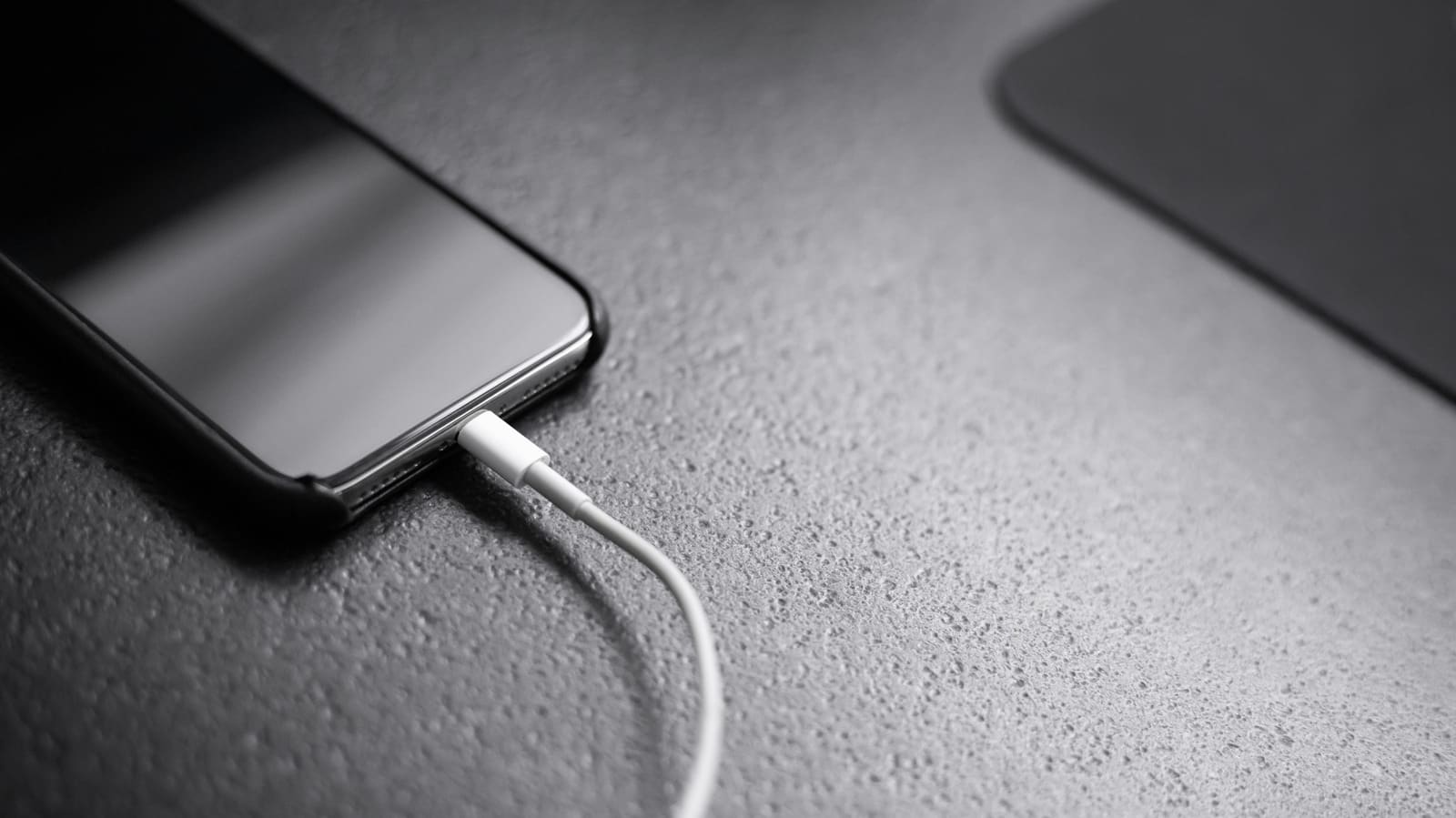
A decade ago, charging was straightforward: plug in your device, wait several hours, done. Today's ecosystem is considerably more complex. Qualcomm introduced Quick Charge. Oppo developed SuperVOOC. Xiaomi launched HyperCharge. Each manufacturer promised faster refueling times, and each created its own proprietary pathway to deliver power.
The result is a market crowded with competing standards, most of which require matching hardware to unlock their full potential. A phone capable of 80W charging paired with a generic 100W adapter won't necessarily charge at the higher rate. The cable, the adapter, and the device all need to speak the same language, and that language varies by brand.
At DailyTechWire, we've watched this fragmentation evolve across Asian and global markets, where flagship devices from Seoul to Shenzhen tout increasingly aggressive charging specifications. Yet beneath the marketing, two realities emerge: most users benefit from a single universal standard, and peak wattage figures often obscure more important considerations around thermal management and battery longevity.
USB Power Delivery Becomes the Baseline
USB Power Delivery has emerged as the closest approximation of a universal charging protocol. The standard supports phones, tablets, laptops, and handheld gaming devices, with recent revisions expanding its capabilities. USB PD 3.1 raised the ceiling to 240W, and USB PD 3.2 refined the specification further.
Those upper limits target power-hungry laptops and external displays rather than smartphones. Thermal constraints make anything approaching 240W impractical for a device you hold in your hand. Even so, USB PD's flexibility allows it to scale from a 20W phone charge to a 100W laptop adapter using the same underlying protocol.
Apple's iPhone 17 lineup supports USB PD. Samsung and Google build their fast-charging systems around it as well, layering additional features on top of the baseline standard. This broad adoption means that a single USB PD charger can handle most devices in a typical household or office, eliminating the need for brand-specific adapters.
Programmable Power Supply Refines the Approach
Within USB PD, Programmable Power Supply represents a more granular evolution. PPS allows a device to request specific voltage and current adjustments in real time, optimizing power delivery as the battery fills. This precision improves efficiency and reduces heat generation, both of which matter for long-term battery health.
Samsung integrates PPS into its "Super Fast Charging 3.0" system, which delivers up to 60W on the Galaxy S26 Ultra. Google's Pixel 11 Pro reaches its maximum 45W charging speed through a PPS-compatible adapter. For users who own flagship Android devices, a charger that supports both USB PD and PPS offers the widest compatibility across brands.
The advantage of PPS lies not just in speed but in control. Traditional charging protocols deliver power in fixed steps, which can lead to inefficiency as the battery approaches full capacity. PPS enables finer adjustments, reducing wasted energy and keeping temperatures in check during the final stages of charging.
Proprietary Systems Still Dominate in Asia
Qualcomm's Quick Charge was among the first proprietary fast-charging technologies for Android devices. While it remains in use, its relevance has diminished as USB PD gained traction. Newer versions of Quick Charge now incorporate USB PD compatibility, and the presence of a Qualcomm chipset no longer guarantees that a phone uses Quick Charge at all. Manufacturers often choose alternative charging systems regardless of the underlying processor.
OnePlus and Oppo continue to deploy SuperVOOC-based technologies, while Xiaomi ships phones with HyperCharge on select models. These proprietary systems advertise charging speeds that can exceed 100W, but reaching those figures typically requires a first-party charger and, in many cases, a specific cable included in the box.
Many of these devices also support USB PD as a fallback, though the charging rate may drop significantly compared to the proprietary option. A OnePlus phone that charges at 100W with its bundled adapter might only pull 30W from a generic USB PD charger. This creates a practical trade-off: carry the proprietary charger for maximum speed, or accept slower charging in exchange for using a universal adapter across all your devices.
It's also worth noting that manufacturer claims around peak wattage can be misleading. A phone marketed with 80W charging doesn't draw that power continuously. Charging rates are highest when the battery is depleted and taper sharply as capacity approaches 100 percent. The advertised figure represents a brief peak rather than a sustained rate.
Thermal Management Matters More Than Peak Wattage
The relationship between fast charging and battery degradation is more nuanced than conventional wisdom suggests. Lithium-ion batteries do degrade over time, and heat accelerates that process. Fast charging generates more heat than slower alternatives, which has led to concerns about long-term battery health.
Modern smartphones, however, include thermal management systems designed to mitigate these effects. Devices monitor internal temperature, adjust power delivery dynamically, and reduce charging speed when heat builds up. The result is that fast charging, when properly managed, doesn't necessarily harm battery longevity in meaningful ways.
That said, slower charging offers a margin of safety. If you're charging overnight and have no need for a full battery within the hour, a lower-wattage charger that keeps temperatures stable can reduce stress on the battery over thousands of charge cycles. The difference may not be dramatic, but it exists.
Temperature management and charging habits have a larger impact on battery life than the choice of fast-charging protocol. Leaving a device at full charge for extended periods, charging a hot phone in direct sunlight, or running demanding games while plugged in all contribute to accelerated wear. Some flagship devices address this by allowing the phone to bypass the battery entirely during gaming sessions, drawing power directly from the wall to maintain charge level without generating additional heat.
Software Features Extend Battery Lifespan
Apple, Samsung, and Google all include software features designed to protect battery health. Apple's Optimized Battery Charging learns user habits and delays charging beyond 80 percent when the device is expected to remain plugged in for an extended period. iPhone 15 and later models allow users to set a custom charge limit between 80 and 100 percent, giving more control over the trade-off between capacity and longevity.
Samsung's Battery Protection and Google's Charging Optimization offer similar functionality. Adaptive Charging on Pixel devices schedules charging to complete just before the user typically unplugs the phone, minimizing time spent at full capacity. An 80 percent charge limit is also available, which research suggests can significantly extend overall battery lifespan at the cost of reduced daily capacity.
These features represent a shift in how manufacturers approach battery management. Rather than focusing solely on charging speed, the emphasis has moved toward balancing convenience with long-term durability. For users who keep their phones for several years, enabling these protections can make a measurable difference in how the battery performs over time.
What to Buy
For users seeking a single charger that works across multiple devices, the recommendation is straightforward: choose a USB-C Power Delivery charger with PPS support and sufficient wattage for your most demanding device. A 65W or 100W charger will cover most phones, tablets, and ultrabooks, and the USB PD standard ensures broad compatibility.
This approach won't unlock the maximum proprietary charging speeds on every OnePlus, Oppo, or Xiaomi device, but it eliminates the need to carry multiple adapters and reduces cable clutter. The trade-off between peak charging speed and universal compatibility favors the latter for most users, particularly those who travel frequently or maintain a mixed-device ecosystem.
The profusion of charging standards creates the illusion of complexity, but the practical decision is simpler than the jargon suggests. USB PD with PPS handles the vast majority of scenarios, and the thermal management features built into modern devices mitigate most concerns about battery degradation. Focus on compatibility, understand your device's actual power requirements, and ignore marketing claims that prioritize peak wattage over real-world usability.
The charging landscape may be fragmented, but the path through it is clearer than it appears.